

WELCOME TO
The Academic Blog

A List of Affordable Learning Resources for Students in Middle School and High School.
Recently, we published an article that touched on the current plight of the public and nonpublic school system in the United States. Unending as the list of plight-related woes may seem, our ultimate goal is to highlight the very practical courses of action available to parents, community leaders and local school authorities to help remedy the adverse situations we are facing when it comes to educating our children.
As promised, here is a shortlist of viable options for improving the education of the next generation of world leaders. This list includes resources to fill in the gap of Social Emotional Learning experienced by most students, as well as core learning subjects such as English, History, Mathematics and Science.
We created this resource to expand accessibility for parents who wish to improve learning opportunities for their children.

Recently, we published an article that touched on the current plight of the public and nonpublic school system in the United States. Unending as the list of plight-related woes may seem, our ultimate goal is to highlight the very practical courses of action available to parents, community leaders and local school authorities to help remedy the adverse situations we are facing when it comes to educating our children.
As promised, here is a shortlist of viable options for improving the education of the next generation of world leaders. This list includes resources to fill in the gap of Social Emotional Learning experienced by most students, as well as core learning subjects such as English, History, Mathematics and Science.
Social Emotional Learning at SEA (ages 13 and up)
Self Exploration Academy (SEA) is an online platform expanding access to holistic higher education for children and adults ages 13 and up by creating learning programs to advocate awareness, agency, confidence and competence within its students.
Register for our headline course, Identity, Expression and Desire. This is an on demand learning course that is designed to build up each student’s skills in self-awareness, self-expression and self-determination. Click here to view the full course outline. Click here to register.
Orientation launches on January 02, 2023. Here is a brief overview of what each student will learn:
Communication
Public Speaking + Presentation
Goal Setting + Execution
Deductive Reasoning
Mindfulness
Critical + Integrative Thinking
Self-Discovery
Self-Expression
Self-Determination
Universal Core Competencies
English Learning with 98thPercentile
98thPercentile offers Live Online, Math, English, Public Speaking and Coding programs for K-12 students that are geared to drive them a grade ahead in just 6 months, GUARANTEED. (via website)
You can book a free trial of English Language Arts learning, take a free online placement test to see where your child’s English skill levels are and speak with a specialist to enrol them in a promotional class, or get started with free English worksheets.
Here is a brief overview of what students can expect to learn:
Reading Fluency and Comprehension
Vocabulary, Spelling and Grammar
Single Paragraph Essay Writing
Multi-Paragraph Essay Writing
Multi-Genre Writing Structure
History / Social Studies Learning with Outschool
Outschool is an online learning platform for students as young as three years old, all the way up to 18 years of age. Founded in 2015, Outschool was originally known among the homeschooled community and quickly grew in popularity among conventional school goers as well. In 2020, their dynamic live learning provisions skyrocketed their success, and helped them create affordable access to quality learning experiences for many more students and families.
We recommend registering for history courses today. One thing we love about Outschool is the wide range of options available. Here are some of the course offerings to consider in this subject:
Afternoon Tea With Artists - Art History | Small Online Class for Ages 8-12
Let's Learn Geography: Around the World Travel Class | Small Online Class for Ages 7-11
African American History: Civil Rights - The Sit-In Movement | Small Online Class for Ages 6-11
Mathematics Learning with ALEKS® by McGraw-Hill
“ALEKS is an online math assessment and adaptive learning program for grades 3–12 that helps students review and successfully master the skills needed to meet critical mathematical benchmarks and standards.” (via website)
Developed by McGraw-Hill, ALEKS offers a myriad of learning opportunities for students with course content ranging “from Grade 3 to Precalculus which allows students to work on lesson-level content at their own pace while still acquiring prerequisite skill support or extending their learning, making it ideal for remediation, intervention, or enrichment settings.” (via website)
Click here to discover the right course options for your children, and register today.
Science Learning with Mad Science Worldwide
Mad Science Worldwide is an international learning franchise on a mission to “inspire children through science, sparking lifelong imagination and curiosity.” A blurb from their website:
For over 30 years, Mad Science has developed science programs that are kid-tested and approved. From our humble beginnings to the present day, we have always believed that hands-on, fun STEM experiences form the foundation of a lifelong love of science, technology, engineering, and math! (via website)
More recently, their team of scientists and STEM educators have created a learning space online to provide convenient and enriching learning experiences for kids around the world. The learning platform includes a “variety of different content types, from video lessons and quick, at-home experiments to science challenges, quizzes and fun activity sheets,” all at a price of $10 USD per month! Click here to learn more.
As of this writing, Self Exploration Academy (SEA) remains unaffiliated with the aforementioned learning institutions. Your decision to review and invest in the learning opportunities they provide has no fiscal impact on SEA. We do not receive a commission of any kind by sharing these resources with you. We wholeheartedly recommend visiting these sites to learn more about how they may help you in providing the optimal learning opportunities for your children, and are more than happy to provide additional information and support regarding the courses offered here at SEA.
Featured Courses


Related Posts


December Week Two Scholarship Updates
Every week, we are adding schools to our list for scholarship eligibility. For Wednesday December 07, 2022, here are the schools we’ve added to our list.
At SEA, we believe in making education accessible to as many people as possible. Because the courses we offer count towards extracurricular learning, we want to make them more affordable for prospective students in high school and college/university who have expressed interest in higher learning that they can use in real life. That is why every week, we are adding schools to our list for scholarship eligibility. For Wednesday December 07, 2022, here are the schools we’ve added to our list.
Loudoun School (Visit Website)
Loudoun School located in Ashburn, Virginia (United States) is now on our list.
Current and former students of this institution are encouraged to apply, should they wish to be considered for a scholarship at SEA. Students must be able to prove their affiliation with this institution in order to be considered for a scholarship award. Applying does not guarantee that a scholarship will be granted.
Tualatin Valley Junior Academy (Visit Website)
Tualatin Valley Junior Academy located in Hillsboro, Oregon (United States) is now on our list.
Current and former students of this institution are encouraged to apply, should they wish to be considered for a scholarship at SEA. Students must be able to prove their affiliation with this institution in order to be considered for a scholarship award. Applying does not guarantee that a scholarship will be granted.
Loyola High School of Los Angeles (Visit Website)
Loyola High School of Los Angeles located in Los Angeles, California (United States) is now on our list.
Current and former students of this institution are encouraged to apply, should they wish to be considered for a scholarship at SEA. Students must be able to prove their affiliation with this institution in order to be considered for a scholarship award. Applying does not guarantee that a scholarship will be granted.
Applying for a Scholarship at SEA
Students interested in being considered for a scholarship at SEA are encouraged to click here and fill out the form. As of this writing, you must be a current or past student of a school on our list. Please keep in mind that although this post includes a limited number of schools, the full list can be found here.
Scholarship awards will be announced once every three months. Winners of the scholarship will be published to our blog and social media, and may be shared on other media created or supported by the academy. The scholarship announcement schedule will be as follows:
January Week One – Fall Winners Announced
April Week One – Winter Winners Announced
July Week One – Spring Winners Announced
October Week One – Summer Winners Announced
More Information
As we continue to develop new ways to increase access to learning opportunities at SEA, we are proud to award up to $500 in scholarships for eligible students from all around the world. Institutions added to the scholarship watchlist at SEA are chosen by a lottery system, and are in no way to be misunderstood as partners or collaborators with the academy unless otherwise explicitly stated. Announcements made for awarded scholarships will be made public record, and by filling out the application form you confirm your consent to have your name published to the academy website, social media and marketing platforms. Scholarships awarded at SEA are applied directly to the courses for which they have registered and are non transferable. They are not paid out in the form of cash or deposit, and cannot be used in conjunction with any other offering made available at SEA. There is no fee associated with the scholarship application at SEA, nor does the purchase of anything SEA has to offer increase the chance of being awarded a scholarship.
Courses at SEA




How to Meditate
If you’ve ever been curious about meditating, and you’re wondering how it gets done, we hope this will be of help to you as you embark on that journey. Establish presence, practice mindfulness and embrace gratitude. Whether you choose to sound bath, pray, sauna or hum, put these steps into practice and see how it changes your life.
Are you ever curious about what it means to genuinely meditate? Like, seriously. Maybe you, like most people, have at one point or another mimicked something you saw on television or at the movies, like mindless hmm and hawing or some variation of assorted affirmations and relaxation exercises.

Merriam Webster’s Dictionary defines the term meditate as a verb that means “to engage in contemplation or reflection.” In another entry, they define the term as a verb that means “to engage in mental exercise (such as concentration on one’s breathing or repetition of a mantra) for the purpose of reaching a heightened level of spiritual awareness.”
At the end of the day, meditation is always a practice that is carried out with intention and expectancy. Whether your expectation is to feel more present, fulfilled or well rested, there is always a reason for employing the practice of meditation in one’s life. Today, we’re going to discuss three steps you should take when deciding to meditate.
Step One: Establish presence.
Eckhart Tolle is one of the most well-known spiritual teachers in the world. According to his website, his bestselling books, The Power of Now and A New Earth are published and distributed in 52 different languages – an impressive feat for literally any single person. Moreover, his work has very much been focused on inspiring and empowering people to lead more mindful lives and embrace the advent of being present in each moment of life.
Being present, according to Tolle, is about experiencing the freedom and joys of life. In a popular video of his, he illustrates the importance of being alert, or aware of what is happening around you. He spoke about how our awareness grows and recedes based on the nature of the moment you are living in.

Step Two: Practice mindfulness.
Mindfulness is a hot topic of discussion in today’s social landscape. Possibly because so many of us have misunderstood what it means, or we’ve found ourselves caught up in fringe conspiracies about its place in the aimless musings of abstract thought. Fortunately, psychologists were able to agree.
“Mindfulness is a state of active, open attention to the present. This state is described as observing one’s thoughts and feelings without judging them as good or bad.” (PsychologyToday)
When preparing to meditate, it is important that you understand what it means to be present, and to be aware of and alive in the moment. Some exercises to activate mindfulness include paying attention, living in the moment, focusing on your breathing, and other practical activities recommended by Mayo Clinic, The Harvard Gazette and others.

Step Three: Embrace Gratitude.
Once you’ve established presence, and put mindfulness into practice, there’s only one thing left to do. Embrace gratitude. According to research conducted in the field of positive psychology, “gratitude is strongly and consistently associated with greater happiness. Gratitude helps people feel more positive emotions, relish good experiences, improve their health, deal with adversity, and build strong relationships.” (Harvard Health)
The embrace and expression of gratitude is linked to a long list of positive outcomes for those who use it in their lives. Stronger immune systems, lower blood pressure, closer relationships and more are all linked to the implementation of gratitude in one’s life. In 2010, Greater Good Magazine actually published a segmented list to review the positive effects of gratitude on the physical, psychological and social levels.

If you’ve ever been curious about meditating, and you’re wondering how it gets done, we hope this will be of help to you as you embark on that journey. Establish presence, practice mindfulness and embrace gratitude. Whether you choose to sound bath, pray, sauna or hum, put these steps into practice and see how it changes your life.
Why sink when you can SWIM?
Related Courses

October Week Four Scholarship Updates
Every week, we are adding schools to our list for scholarship eligibility. For Wednesday October 26, 2022, here are the schools we’ve added to our list.
At SEA, we believe in making education accessible to as many people as possible. Because the courses we offer count towards extracurricular learning, we want to make them more affordable for prospective students in high school and college/university who have expressed interest in higher learning that they can use in real life. That is why every week, we are adding schools to our list for scholarship eligibility. For Wednesday October 26, 2022, here are the schools we’ve added to our list.
Académie Marie-Claire (Visit Website)
Académie Marie-Claire of Kirkland, Quebec (Canada) is now on our list.
Current and former students of this institution are encouraged to apply, should they wish to be considered for a scholarship at SEA. Students must be able to prove their affiliation with this institution in order to be considered for a scholarship award. Applying does not guarantee that a scholarship will be granted.
Aeres University of Applied Sciences (Visit Website)
Aeres University of Applied Sciences of Dronten, Flevoland (Netherlands) is now on our list.
Current and former students of this institution are encouraged to apply, should they wish to be considered for a scholarship at SEA. Students must be able to prove their affiliation with this institution in order to be considered for a scholarship award. Applying does not guarantee that a scholarship will be granted.
Presentation High School (Visit Website)
Presentation High School of San Fransisco, California (United States) is now on our list.
Current and former students of this institution are encouraged to apply, should they wish to be considered for a scholarship at SEA. Students must be able to prove their affiliation with this institution in order to be considered for a scholarship award. Applying does not guarantee that a scholarship will be granted.
College of the Canyons (Visit Website)
College of the Canyons of Santa Clarita, California (United States) is now on our list.
Current and former students of this institution are encouraged to apply, should they wish to be considered for a scholarship at SEA. Students must be able to prove their affiliation with this institution in order to be considered for a scholarship award. Applying does not guarantee that a scholarship will be granted.
Nichols School (Visit Website)
Nichols School of Buffalo, New York (United States) is now on our list.
Current and former students of this institution are encouraged to apply, should they wish to be considered for a scholarship at SEA. Students must be able to prove their affiliation with this institution in order to be considered for a scholarship award. Applying does not guarantee that a scholarship will be granted.
Applying for a Scholarship at SEA
Students interested in being considered for a scholarship at SEA are encouraged to click here and fill out the form. As of this writing, you must be a current or past student of a school on our list. Please keep in mind that although this post includes a limited number of schools, the full list can be found here.
Scholarship awards will be announced once every three months. Winners of the scholarship will be published to our blog and social media, and may be shared on other media created or supported by the academy. The scholarship announcement schedule will be as follows:
January Week One – Fall Winners Announced
April Week One – Winter Winners Announced
July Week One – Spring Winners Announced
October Week One – Summer Winners Announced
More Information
As we continue to develop new ways to increase access to learning opportunities at SEA, we are proud to award up to $500 in scholarships for eligible students from all around the world. Institutions added to the scholarship watchlist at SEA are chosen by a lottery system, and are in no way to be misunderstood as partners or collaborators with the academy unless otherwise explicitly stated. Announcements made for awarded scholarships will be made public record, and by filling out the application form you confirm your consent to have your name published to the academy website, social media and marketing platforms. Scholarships awarded at SEA are applied directly to the courses for which they have registered and are non transferable. They are not paid out in the form of cash or deposit, and cannot be used in conjunction with any other offering made available at SEA. There is no fee associated with the scholarship application at SEA, nor does the purchase of anything SEA has to offer increase the chance of being awarded a scholarship.
Courses at SEA

How to Get Up Early in the Morning
Here at SEA, we hold the advent of rising early in very high regard. In fact, it’s probably the biggest bias we’ll ever admit to embracing. If we discover any others, we promise to work on them. Until then, take these steps towards building the habit of getting up earlier in the morning and see how it begins to change your life.
Have you ever wondered what it would be like to get up earlier in the morning? Whether you are looking to rise before the sun, or simply add more time or productivity to your day, if at any point you felt seen (or dragged) while reading this post so far, then this is for you.

Something some of our audience may find remarkable in today’s post, is that there is absolutely no major mindblowing recommendation in our advice for how to get up early in the morning. I know that may kill some of the suspense, but no it doesn’t, because we clearly outlined this post with three sections, each titled with what to do to achieve the “how to” item mentioned in the title. Anyway, now that that’s out of the way, let’s dive into three important things you should do if you would like to start getting up earlier in the morning.
Step One: Make a plan.
Before we dive into your first step towards getting up earlier in the morning, let’s take a moment to remember an important note of wisdom, bestowed on us by the late Mr. Benjamin Franklin.
“By failing to prepare, you are preparing to fail.” ― Benjamin Franklin
Ben knew, perhaps from experience, that success should never be expected from the person who has not prepared to make it happen. So for all our achievers visiting this post today, it’s time to take out your pen and paper and think about what you can do to build the habit of getting up earlier in the morning moving forward. Here are some tips on things you may want to consider:
Go to sleep earlier in the night (different from going to bed… right?)
Disconnect from electronic devices at least one hour before bed
Blackout the entire room before bed time
Adjust the alarm to an earlier time
Note the time you’re getting up!!
This list may look a lot different, depending on who you are and how you normally spend your time. Maybe it will include leaving the party or the dinner with friends earlier, and sometimes it may look like not going at all. A strong recommendation to build desire towards getting up the next day is to write down what you will do in the morning that you are genuinely looking forward to. This is an exercise that can help excite and prepare you mentally and emotionally, so the physical advent of getting up can be made easier when it is time.

Step Two: Go to sleep on time.
Reminder – going to bed and going to sleep are two very different things. Can I get an amen? Lol, we don’t need to go into the details of why they are two different things for you (or for me) – let’s just accept that this is true, and vow to make sure we will be getting to sleep on time from now on. Also, as I mentioned earlier, there may be some night time sacrifices made in order to achieve your goal of getting up earlier in the morning.
It may sound tough right now, but please trust that the tub of ice cream will be in the freezer in the morning. The new album from your favourite artist that drops in the middle of the night will still be there in the morning. Your friends will still love you even if you can’t stay out late every single night of the week for dinner, drinks, dessert and debauchery.
Get to sleep on time. Zero excuses. You are the architect of the life you lead. No seriously…
“You are the architect of your own future, so design your future with uncompromising sincerity.” ― Debasish Mridha

Step Three: Get up on time. Regardless of how you feel.
Remember when you were making a plan to start getting up earlier in the mornings? What was the time you wrote down? Not the time you had in mind, or the time that your girlfriend says she gets up in the morning. What was the time you wrote down?
That’s the time you need to get up.
Zero excuses.
If you know, or suspect, you may need to wake up a few minutes earlier in order to muster the strength and willpower to pull yourself up out of the bed on time, plan accordingly. Getting up in the morning is no one’s responsibility but your own. If you made it this far into the post, then it’s because you believe getting up earlier is something you ought to try. Well, congratulations! You’ve just hit the jackpot on how to get it done.
Here at SEA, we hold the advent of rising early in very high regard. In fact, it’s probably the biggest bias we’ll ever admit to embracing. If we discover any others, we promise to work on them. Until then, take these steps towards building the habit of getting up earlier in the morning and see how it begins to change your life.
Why sink when you can SWIM?
Related Courses

How to End A Relationship, Respectfully
A lot of people get stuck reminiscing on past memories shared with people who are no longer a part of their lives, and if they’re not careful, they begin to dwell in that space, abandoning their present and future potential by focusing on something that they had once resolved to leave behind. If you are in a situation right now where you feel it necessary to end a relationship (or two, or six, or nine), take this advice. Don’t go another day wondering why things never work out.
Are you in an unhealthy relationship with someone you love and respect, but you just don’t know how to get out of it? Are you in a relationship with someone you feel you have lost respect for, but you’re still unsure of the best way to discontinue your relationship? If you’re in any variation of these tricky situations, and you are hoping to move forward without the tumult of the relationship you are currently in, then this post is for you.

Check in with yourself.
Being in a relationship, whether it be romantic or platonic, professional or familial can be really challenging for a number of reasons. One of the more challenging aspects of relationships we find ourselves really involved in is that sometimes, if we’re not careful, we begin to think a bit too much from the perspective of the other person and a bit too little from the perspective of our authentic selves.
In good times and bad times, in all life’s ups and downs, the most important voice you will ever listen to is your own. It is incredibly important that you are in tune with your truest self and the reality of your interests and desires. This is how we show up authentically in our relationships with others. So, when things have gone awry in any relationship in your life, take a moment to check in with yourself?

“Have I been honest about who I am and what I desire?”
“Have I been consistent? Are there any mixed messages I may have been sending as of late?”
“What am I really feeling in this relationship right now, and what do I want moving forward?”
“Am I willing to move forward with this person, and to what extent or cost?”
These are some example questions you may need to ask yourself when dealing with a relationship that feels broken, especially one that feels broken beyond the hope of repair because let’s face – if you’ve come to this post, then you probably already know what it’s like to be in one of these situations.

Check in with the other person.
A really important next step when dealing with the desire to end a relationship is checking in with the other person. Now, it is not always necessary to check in with a person to discuss the end of a relationship. Here’s why. Regardless of what social media or Lifetime TV may have told you, you don’t inherently owe anyone anything, and no one in this life inherently owes you anything. Period.
Some relationships require some discussion in order for you to clear a path forward for yourself that successfully avoids unnecessary tolls on your mental and emotional health, however, this is not always the case. It is important for you to be able to discern the difference.

If you are able, and the other person is willing, create a safe space for the two of you to engage in a discussion about the problems each of you are facing within the context of your relationship. If you are open to rekindling what the two of you once shared, go ahead and make that clear. However, if you are unwilling to move forward with this person, go ahead and make that clear during your discussion when it is most appropriate.
Safe spaces are paramount to the success of tough conversations. Before you dive into the issues of how this person’s words and actions have left you to feel, and before they dive into the illustration of how your behaviour has impacted them, be sure to make it very clear that you are both committing to holding a safe space for the other person to express themselves with uninterrupted authenticity.

Now, if you feel like a conversation about the potential end of your relationship with someone in your life will require more than you can afford to give of your mental health, go ahead and exit stage left—let the relationship go without the conversation. Even if you are feeling unsure, it is always better to move forward than to remain still in one place for too long a time. It is also better to end the relationship without the conversation than to have the conversation without the procurement of a safe space.
Ghosting does not have the best reputation socially, however, we do it a lot more than we care to admit, and sometimes we don’t do it when it actually needs to be done. Sure, it is nice to feel a sense of closure from one chapter of our lives that helps us turn the page to what’s next, however, if you are unable to endure the process of what the journey to that closure might look like right now, you need to do what is best for you. Even if it feels selfish, do what needs to be done. You cannot help someone if you are unwilling to help yourself.

Move on with your life.
Once you have resolved to end a relationship, you need to move on. There is more life to be lived – go out and live it! What dreams are you chasing? What new realities do you have the power to create? Your future is literally in the palm of your hands –don’t waste it fixating on what used to be.
This is a really important part of ending a relationship. A lot of people get stuck reminiscing on past memories shared with people who are no longer a part of their lives, and if they’re not careful, they begin to dwell in that space, abandoning their present and future potential by focusing on something that they had once resolved to leave behind.
If you are in a situation right now where you feel it necessary to end a relationship (or two, or six, or nine), take this advice. Don’t go another day wondering why things never work out. Take ownership of your decision to stay or go, and take action in direction of the desires of your heart.
Why sink when you can SWIM?
Related Courses

How to Embrace Your Family’s Culture
If you have been wanting to build more closeness and understanding with your family, such that you might be able to effectively embrace or identify with their culture, consider these steps and see where they take you. After all why sink when you can SWIM?
Have you ever wanted to connect more with your family’s culture? Ever felt like maybe there was something more you could do to show your interest in understanding your family members and your family history? This may not be the tell-all or the “ultimate guide” on how to embrace your family structure, however, we felt these three nuggets might be most useful for our readers who are looking to identify more with their family’s culture and heritage.

Ask questions
One of the quickest routes to the answers of life is always going to be found in the asking of a question. “How was your day?” “Do you like our new beverage?” “What’s the weather like outside?” The same principle applies when it comes to getting to know your family.
Asking questions is an important step in learning how to embrace your family’s culture because it provides the foundation for understanding to be built. These questions can range in depth and severity depending on who you are speaking with and what your objectives are. Remember to always exercise patience and gratitude when asking questions about a family member or a family story – as close as you may be in each others hearts, you never know what triggers you may be tripping in your discussions with the ones you love.

Here is a short list of some questions you might ask to better understand your family’s culture, heritage or traditions:
What country are you from?
What is your native language?
What was your relationship with your mother like while growing up?
What was a normal day for you during your primary school years?
What was home life like for you and your family growing up?
What are some of your favourite family traditions and why?
Did you have any dreams about your future when you were little?
How did your family respond to or support your dreams as a child?
What are your favourite memories of your family?
Were there any special family traditions?
Do you have any special family dishes I should know about?
What’s one difficult situation you faced with your family, and how did you handle it?
What is one difficult family memory you have, and how do you navigate those feelings?

Participate in family traditions
If the first step to embracing your family’s culture is to ask questions and build understanding, then the next step that would make the most sense is to get involved and be an active participant in family activities. It’s time to participate in your family’s traditions.
Now, depending on your family’s background and the current interests of the leading members of your family, your traditions might look a little different than others… or a lot. It all depends.
Maybe it’s Sunday night football, Taco Tuesday or Wednesday night Bible study. Maybe it’s digital distancing on Fridays and Saturdays, or dinner at Auntie’s on Thursday nights. Maybe it’s celebrating the High Holy Days, going to church or fashion week. Whatever your family’s traditions are, participating in one or more will help you in embracing your family’s culture, and may actually bring your family closer together.

Here is a short list of some common family traditions:
Sitting down for a meal together
Saying a prayer together regularly
Singing, dancing or performing together
Reading together as a family
Family story time
Family movie night
Family game night
Annual family vacation
Weekly family mental health check in
Family group hugs and handshakes
Family hiking, fishing, or other outdoors adventure

Attend family gatherings
Whether the gathering itself be common or uncommon, take the time to be present with your family when the opportunity arises. This is the most organic way to build closeness, to understand and embrace the culture of your family, and to even help perpetuate it.
If you’re in your hometown, perhaps coordinate with family members to have a dinner or a special family outing. Visit someone’s house, or go support a loved one at something special they have going on. Take the time to get to know your loved ones – after all, culture is really driven by who we are.
So there you have it. If you have been wanting to build more closeness and understanding with your family, such that you might be able to effectively embrace or identify with their culture, consider these steps and see where they take you.
Why sink when you can SWIM?
Related Courses

How to Establish Your Purpose
There are many situations or experiences that carry the potential to evince purpose in your life. Some people make it to the end of their days without ever stopping to discover, establish or understand their purpose—the reason they were ever alive.
Has anyone ever asked you what your purpose is in life? Have you ever wondered if there was a particular reason why you were born? Do you struggle with the idea that your life has meaning? If you answered yes to any of these questions, then this post is for you. Let’s talk about it.

What is purpose?
In very simple terms, purpose is “why you do something or why something exists.” At least that’s how Cambridge Dictionary defines it. Another phrasing from Collins Dictionary clarifies that “the purpose of something is the reason for which it is made or done.”
In a rather popular article, published to the Greater Good Science Magazine at Berkeley University of California, it is noted that for psychologists, “purpose is an abiding intention to achieve a long-term goal that is both personally meaningful and makes a positive mark on the world.” It’s something that evolves throughout the course of our lives, and helps us navigate life and living with a perceptible sense of meaning.

Why is purpose important?
Ralph Waldo Emerson once said “The purpose of life is not to be happy. It is to be useful, to be honourable, to be compassionate, to have it make some difference that you have lived and lived well.”
Purpose is important because it is literally how we articulate our utility, or our reason for being present or active in any particular moment or situation. Sometimes we attach our perceived utility or potential to a larger organisation such as a church, a community or a government, however there is no one way to discover or define the purpose of all people.
No matter where your purpose is found, it is pretty safe to say that it will always be in service of something larger than yourself. You may not be Mother Teresa, but you may be passionate about feeding the hungry, clothing the poor or housing the unhoused. You may not be Nelson Mandela, but you may find yourself in a position where you can inspire people to love others unconditionally just by the way you respond to the circumstances of your life.

Where does purpose come from?
Again, there is no one way to discover or define the purpose of all people. There are many situations or experiences that carry the potential to evince purpose in your life. Some people make it to the end of their days without ever stopping to discover, establish or understand their purpose—the reason they were ever alive. Some people spend their time worrying that they may never find out why they’re here.
A simple way to look at where purpose comes from is to begin with universal core competencies, and then pairing your skills with your passion. What are you skilled at? Is aesthetic awareness a strength of yours? Balanced decision making and collaboration? These competencies, for example, are necessary for someone who works in interior design, but they may also be the skillset of a person who works in production, customer experience or the visual arts. It all depends on the person, however, there is no shortage of potential utility, purpose or value.
If we’re not careful, we might spend our whole lives waiting to find purpose someday, when all the while we have the power to build and define what purpose is in our lives. That’s why in some of our courses it’s required that students complete a self-assessment of universal core competencies. It is important to move with purpose in order to lead a meaningful and comprehensive life. Take the power back into your hands and own your why. See how things start to change in your life.
Why sink when you can SWIM?
Related Courses
How to Identify Your Passion
Sometimes, if we’re not careful, we begin to buy into this idea that passion is some lofty out of reach thing we must aspire to, when in reality it doesn’t need to be. If you’re that person who is feeling down on their luck today because they haven’t found their passion, pull yourself together.
Have you ever been that person who felt unsure of what they wanted most out of life? Do you ever feel lost or unenthused? Are you trying to find your passion and struggling with where to begin? If you answered yes to any part of these questions, then today’s post is for you.

If you’re here today, chances are you’ve got questions, or you’ve heard questions like these before:
“What is a passion?”
“Why is passion important?”
“Do I really need passion in my life?”
Passion can be defined as a very “strong feeling of enthusiasm or excitement for something or about doing something” (The Britannica Dictionary)
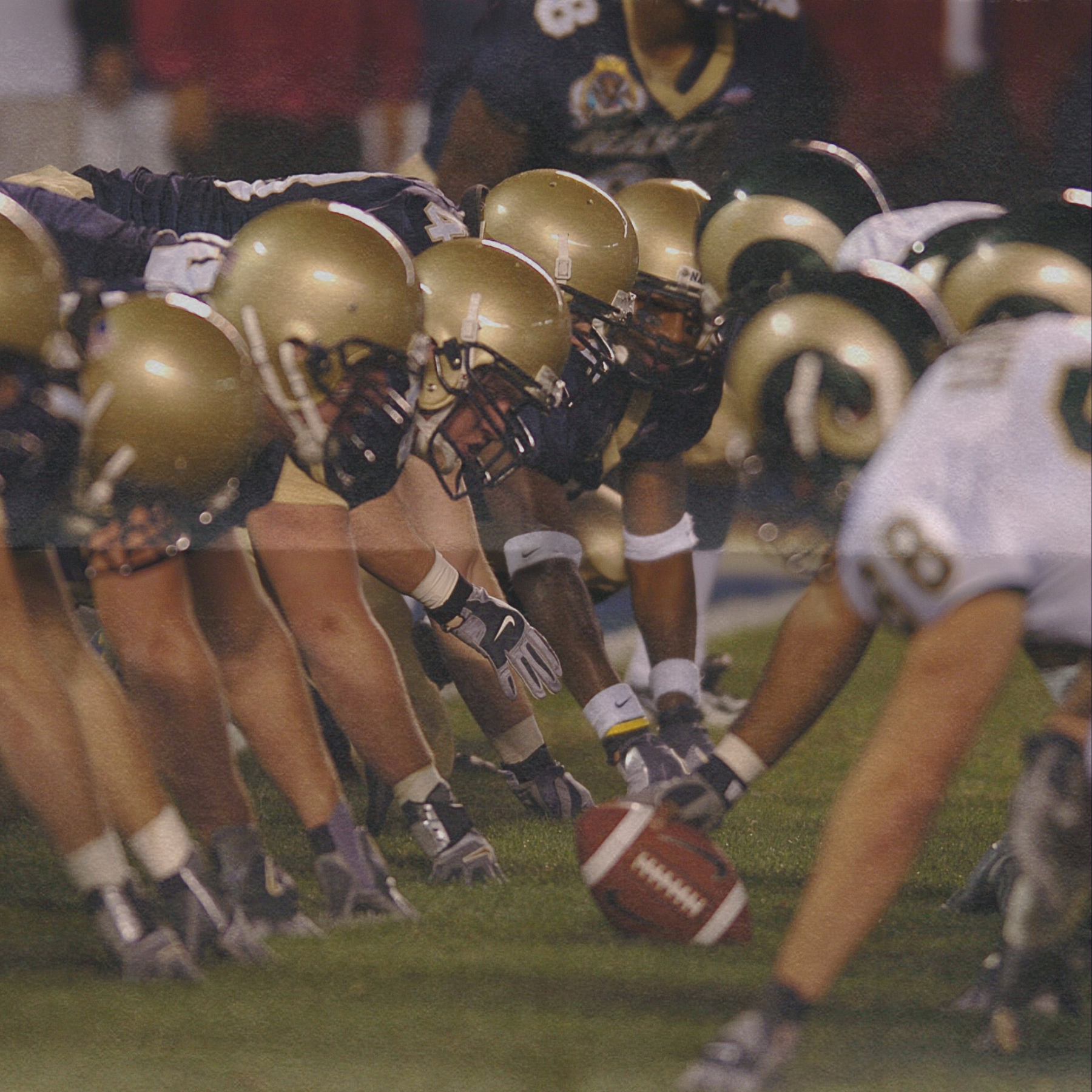
Some people are passionate about singing. Some are passionate about cooking, dancing or playing instruments or sports. Some people are passionate about learning or making a noticeable change in the world around them. Some people know that passion they have deep down in their heart, and others are less passionate about life or maybe unaware. Wherever you are on the spectrum of passion, it’s useful to know that passion can be developed by design.
How is passion developed, you ask? Simple.
Practice perpetuates passion.
Pick something you enjoy. Anything. Watching movies, listening to music, observing large crowds of people from a distance. Set aside time to enjoy this activity, and make it a priority to better understand what it is about the experience you enjoy most.

Maybe in your heart you’re searching for joy, interpersonal connection, an inspiration or a muse. Maybe that one activity you enjoy might spark your curiosity, and lead you to something you never even realised you might be passionate about. Maybe you’ll find nothing, and in your search for passion, you’ll discover that you’ve simply become passionate about enjoying life on your own terms.
Sometimes, if we’re not careful, we begin to buy into this idea that passion is some lofty out of reach thing we must aspire to, when in reality it doesn’t need to be. If you’re that person who is feeling down on their luck today because they haven’t found their passion, pull yourself together. Start doing the things you know you enjoy, and see where it takes you.
Why sink when you can SWIM?
Related Courses

How to Overcome Fear
Whatever fears you may be facing today, there is a way to overcome them. Fear is not more powerful than you, and it does not need to have the final say in any season of your life.
Have you ever found yourself in a position where you felt like you could not move forward because of something that made you feel afraid? Have you ever felt so driven by your worry that you spoke or acted out of character and wished you could take back what you said or did? If you answered yes to any part of these questions, then this post is for you.

How many times have you heard the “I would, but I’m scared…” or “I want to, but I’m worried…” statements in your life? How many times have you been the person saying or thinking/believing these things? Fear has long been known as an enemy of progress in the lives of humans everywhere. Still, not everyone understands why.
The Definition of Fear
Fear can be defined as “an unpleasant feeling or thought perpetuated by the concern of some potential threat or danger, whether real or imagined. [2] An archaic term used to describe an indeterminable blend of dread and respect for a powerful being or deity.” (The Academic Blog)
There is this troubling thing we do as humans, especially in some certain subsects of culture, where we limit our understanding of what fear is and how it operates based on acronyms that encourage us to think a certain way about it.
“Fear is the false evidence of things appearing real.”
“Fear stands for face everything and rise.”
As well meaning as these statements may be, they are in fact untrue. Fear cannot be reasonably summed up as the false evidence of things appearing real. Sometimes the things we are worried about or afraid of are actually real and often difficult to understand or navigate. The same could be said for the call to action concept that fear means “face everything and rise,” although this statement would be more useful in most situations. Eventually, we hope to rise out of any situation that has us feeling down. Right?

Overcoming Fear
In order to face the things we fear and overcome them, we need to build bridges of genuine understanding, courage and faith between where we are and where we would like to be. Let’s look at this example:
You and your friend Jeremy haven’t been talking lately. He threw a birthday party and you totally forgot about it because you’ve been stressed under the pressure of preparing for a big exam, and you never added the event to your calendar. You did promise him two weeks ago that you would be there though, so he was expecting you to show.
It’s been a few weeks since you missed the party, and you’re afraid to reach out because Jeremy has been posting about the party, and you are afraid he will be upset with you and possibly not want to be your friend anymore, especially since this is not the first time something like this has happened. You want to make up and continue the friendship, but your fear has gotten the best of you.
Understanding that you both have unique experiences and feelings around this situation implies that in order to get through this, both you and Jeremy will need to have a discussion about the matter at hand in a safe space, where the both of you will be free to honestly express your feelings, hopes and intentions.
Courage will be needed, because even though you can be confident or certain about your intentions to be honest and non confrontational, you may still be nervous and unsure about Jeremy’s initial reaction or final decision on the matter. Last, and far from least, faith is very much required in the advent of overcoming fear.

Faith is “an active belief in a potential outcome that has not yet been seen or otherwise proven or experienced.” (The Academic Glossary) It is distinguished from the qualities of hope, belief or intent because it is always paired with action towards an expected unknown outcome. So in the case of your rift with your friend Jeremy, by reaching out and having the discussion you are acting in faith. Faith that you will find closure, or reconciliation. Faith that you will learn or achieve something new.
Whatever fears you may be facing today, there is a way to overcome them. Fear is not more powerful than you, and it does not need to have the final say in any season of your life.
Why sink when you can SWIM?
Related Courses

How to Stop Negativity
Once you have defined and understood the problem area in your life that is draining your enthusiasm or sense of hope, you need to determine the best course of action on your part. Sometimes we get really excited about placing the blame on others, however, it is actually very important that we genuinely understand the very real role we play in the ongoings of our own lives.
Most of the content we create for the How to SWIM series starts off with an identifying hook that speaks to who this content is for. For today’s post, we actually want to make it very clear who this content was not intended for.
If you are someone who prefers to be led by your emotions, today’s post may not be for you. If you are someone who enjoys laughing at the expense of others, especially while refusing to take ownership of the impact of your words or actions, this post was not made for you. This post is for people who see negativity in their lives and in the world around them and desire to build or help create a positive change. This post is for people who actually want to stop negativity.

Define the Problem
Life is full of unpleasant or negative experiences. One of the challenges we are faced with, often on a daily basis, is the advent of determining when it’s necessary that we do something about them.
Negativity can be defined as “the fact of tending to consider only the bad side of something/somebody; a lack of enthusiasm or hope” (Oxford Learner’s Dictionary).
Can you remember a time where you were in a situation where you felt a lack of enthusiasm or hope? Why were you there? What was the driving force behind that experience? How could you have made things different or better? We can’t control everything in our lives, however, we can overcome some of the challenges we face once we understand them better.
For example, if you continually find yourself in the middle of workplace gossip or drama, you could remove yourself from unpleasant discussions about others or commit to taking your issues directly to the people you have concerns with. If you are struggling with an unprecedented onslaught of unsolicited destructive opinions from strangers on the internet, you could change the privacy settings of your accounts, or take a break from the internet altogether.

Once you have defined and understood the problem area in your life that is draining your enthusiasm or sense of hope, you need to determine the best course of action on your part. Sometimes we get really excited about placing the blame on others, however, it is actually very important that we genuinely understand the very real role we play in the ongoings of our own lives.
Do you know how you stop negativity? You simply stop feeding it. Wherever you plant your focus, you will see growth. This is why people who focus on the idea that they are incapable of achieving great things tend to accomplish very little with their lives, and the people who focus on the concept of everything that makes them feel amazing, competent and/or capable tend to accomplish many great things.
The solution to dealing with experiences of negativity is to build experiences of positivity.
Positivity can be defined as “the practice of being positive in your attitude and focusing on what is good in a situation.” (Oxford Learner’s Dictionary)

Dictionary definitions of this term make it difficult to reach a common understanding on the practical application of positive thinking, especially considering that what is seen as ‘good’ to one person might not be the same for another. At SEA, we define positivity as an experience that produces confidence and clarity. It is something that we build that allows us to see more of what is possible and promotes awareness around what can help us move forward in our lives in a more favourable manner.
When you lean into positivity, it creates a boundary between you and negative experiences. If you’re suffering the consequences of the choice you made to dwell in negativity, choose a different path. If you’re struggling with the impact of a negative experience, create as much space as you can between you and the experience, and focus on building positivity in your life. See how things begin to change.
Why sink when you can SWIM?
Related Courses

How to Make the Most of a Bad Situation
Observe what is happening to you. Observe how it makes you feel. Identify the skills you have relevant to the situation you are in. No more endless suffering. Take back your power. Build a game plan and take action.
Have you ever felt like you were stuck in a tough situation, and you just didn’t know how to get out? Have you ever found yourself trying to figure out how to keep a level head or a positive mindset through a difficult or troubling circumstance? If your response to either of these questions is a yes, then this post is most certainly for you.

Sometimes life deals us a deck of cards that really suck. It’s the truth. Whether it’s a breakup on your birthday, a death at graduation, another year in a dead end job, or any number of experiences that feel big and sad. Fortunately, there are some things we can do to improve our life’s circumstances, even when they feel really big and overwhelming. And just an FYI before we get going, there are absolutely zero gimmicks or tricks involved in today’s post. Sometimes, if we’re not careful, we find ourselves looking for quick tips or hacks to try and trick ourselves into believing that everything is okay instead of actually addressing the problem areas in our lives. There will be none of that behaviour in this post, or promoted by the academy, ever.
There’s a popular saying that goes “when the going gets tough, the tough get going.” You may have heard it before somewhere in your life – it’s a beautiful statement that often goes misunderstood.
“When the going gets tough, the tough get going.”—Joseph Kennedy
If you’ve ever heard, read or even said this and had no idea what it really means, let’s take a moment to break it down.

Sometimes life gets hard. Right? Right. Sometimes the challenges of life begin to seem insurmountable when they continually come our way with little to no reprieve. This is when the going gets tough. On the other hand, Joseph Kennedy is saying that when this happens, tough people get to work to push back against or overcome the challenges they are presented with. In other words, there is a conscious action taken by the person presented with adversity.
When you find yourself stuck in a bad situation, it is your responsibility to find a way out. This does not mean that the purpose of every challenge you face is there to make you stronger. It means that if you don’t like the situation you are in, you can either find a way to make it out, or find a way to make it through your situation.
Observe what is happening to you. Observe how it makes you feel. Identify the skills you have relevant to the situation you are in. No more endless suffering. Take back your power. Build a game plan and take action.
Why sink when you can SWIM?
Related Courses

How to Be A Leader
Oftentimes, we look to the number of followers a person has in order to determine how great of a leader they actually are — this sometimes leads to feelings of inadequacy though, if we’re not careful. Today we will look at what it looks like to be a leader, with or without external validation from others.
Have you ever wondered what it means to be a leader? Have you ever thought of yourself as more of a leader or a follower? Do you feel like you sometimes struggle with taking initiative? Well, by now you probably know the deal. If you answered yes to any of these questions, then this post was made for you.

What is a leader?
According to the Oxford English Dictionary, a leader is “the person who leads or commands a group, organisation, or country.”
There are many different kinds of leaders in the world today. From religious leaders and government officials, to bloggers and social media influencers.
Oftentimes, we look to the number of followers a person has in order to determine how great of a leader they actually are — this sometimes leads to feelings of inadequacy though, if we’re not careful. You see, one of the challenges we often see in people who desire to be a leader is that they look at leadership more as a position that you are put into by someone else rather than a posture that you put yourself into. Today we will look at what it looks like to be a leader, with or without external validation from others.

Practice Accurate Self-Assessment
Self Assessment is defined as “one's capacity for observing, understanding and accurately judging the quality of one's own skills and abilities based on their performance.” (The Academic Glossary)
In order to be a leader, it is important to understand your strengths and weaknesses, or the areas in which you still need improvement. Maybe you are a strong vocalist who is really good at creating musical content when collaborating with a stronger lyricist. Or maybe you’re really good at both. Knowing your strengths will help you build leadership skills, and knowing your weaknesses will help you identify the areas where you need help in order to be the best leader you can possibly be.

Commit to Serving Others
Another important note about being a good leader is this: leadership = service.
In order to lead others, you must be willing to serve them. For example, your service as a stellar vocalist may be to entertain your fans with new content, or to educate your clients or students through your skill. A community leader may serve their community by representing their voices on a larger platform in order to help create a desired or otherwise necessary change. Your leadership may look different depending on your skills and passions, however, it will always include acts of service towards the very people you lead. Which brings us to our next and final note… following through.

Follow Through
In an article published to Medium.com back in 2020, blogger Tullio Siragusa argued that the significance of follow through could “never be emphasized enough.” In expansion:
“Living up to your commitments is helps you earn credibility. It is something people notice immediately about you. If you mean what you say and do what you committed to doing, you will earn trust and respect from people.
On the other hand, if you don’t follow-through on your words, people will soon stop caring about what you have to say. For leaders, this behavior can translate into utter disappointment for the employees, and disengagement.” – Tullio Siragusa
Good leadership requires follow through, and while there may be no one-size-fits-all approach to leading a life well lived, it is certainly important that each of us strives to do what we say we will do, and work on improving our consistency and reliability.
So take what you’ve learned today, and see how it changes your life. Practice accurate self-assessment, commit to serving others, and always follow through.
Why sink when you can SWIM?
Related Courses

How to Get Rid of Old Habits
You don’t have to be bound by your old ways. The future you shouldn’t have to suffer under the weight of the old you. Take back your power and build a better tomorrow. You’ve got this.
Do you have any unhealthy or expired habits? Maybe you have what you call “bad habits” or “toxic traits”? Well if so, then today’s post is here for you, and it’s all about getting rid of them.

Rap artist Lecrae was once quoted having said that “old habits die hard, and if you're not careful, the person you used to be can overtake the person you're trying to become.”
Sometimes we get a bit too hard on ourselves when it comes to managing our habits. We get frustrated after picking up that third drink, going to see a certain person, or opening a certain Twitter list we swore we’d never open again. People struggle with change because we are hardwired to prefer familiarity no matter how “good” or “bad” it may be.
So how do we overcome? Humans are habitual beings, so if you want to get rid of an old one, you’ll have to replace it with a new one. And for as simple as that may seem to some of you, rest assured it is always easier said than done. Today, we are going to look at three things you can do to successfully get rid of old habits.

Identify an Old Unhealthy Habit
The first step towards shedding an old habit is identifying what it is, and how it is adversely impacting a specific area of your life. For example, if you are unhappy about feeling like you never have enough time to accomplish your goals outside of work, maybe look at how you are spending your time throughout each day. If you do not have a calendar or a weekly agenda, then you might want to start by breaking the habit of disorder and irresponsibility with your time, and begin to schedule out your days.

Identify What Motivates You to Take Action
The second step to getting rid of an old habit is to identify your motivators. What gets you excited about taking action in your life? For some people, the satisfaction of taking action is found in the journey, and for others it’s in the end result. Regardless of what your motivators may be, once you identify and understand what they are you can begin to build motivation towards your new healthy habit, and stop feeding motivation towards your old and unhealthy habit.

Build Motivation Towards A New and Healthy Habit
Once you have identified your old unhealthy habit, as well as what motivates you to take action, it’s time to really build that motivation up and get to work on replacing that old unhealthy habit with a new and healthy one. If the idea of reaching a new milestone in your career or your dreams is what gets you going, start putting specific tasks on the calendar, and write down which exciting milestone each action item is related to. If you need someone to go on the journey with you, tap into your community and find yourself an accountability partner or group that will help you in being responsible towards reaching your goals.
You don’t have to be bound by your old ways. The future you shouldn’t have to suffer under the weight of the old you. Take back your power and build a better tomorrow. You’ve got this.
Why sink when you can SWIM?
Related Courses

How to Stand For What You Believe In
Don’t allow disagreements to keep you down, and don’t allow yourself to suffer in silence. Build better relationships and understandings with what you believe in, and see how your world begins to change.
Have you ever felt like you needed to stand up for yourself, someone else, or something you believe in your heart but you just didn’t know how? If you were honest, then like most people your answer to this question is a resounding yes, and this post is for you.

Standing up for what you believe in is a vitally important part of creating success in your individual life, as well as creating a positive impact in the lives of others. Virtually everyone you know has their own unique perspective built at the intersection of past experiences, future hopes and current beliefs.
Sometimes we shy away from standing up for ourselves because we find that we are uncomfortable with confrontation. Sometimes, we just don’t know what to say. Whatever the reason for your struggle, there are a few things you can do to improve your ability to accurately and respectfully convey your thoughts, feelings and beliefs.

Learn More About What You Believe
In case you were previously unaware, standing up for and defending something you know nothing about is an act of stupidity. Imagine defending the belief that the sky is purple, or that the Earth is and has always been flat. Knowledge is power – it’s cliche because it’s true.
In order to build clarity and confidence when it comes to standing up for yourself and what you believe, you must first build knowledge and understanding. For example, most Christians are pretty happy to share that they believe in Jesus, however, it is uncommon that you meet someone who identifies as a Christian and is capable of holding a conversation on the subject of anachronisms, transliteration or apocrypha. This is largely due to the fact that many active followers of the religion have employed the sneakily unhealthy habit of allowing another person to tell them who they are and what they are allowed to believe, say and do in this life.
While it is unlikely that you will be able to learn absolutely everything related to what you believe in, it is important to develop a functional, real world understanding of your relationship with what you claim to believe. Ironically enough, it is an actual rule of the religion that Chrisitans be ready to defend (or stand up for) what they believe in.
Oftentimes people just don’t know what to say when it comes to defending their beliefs, and that’s where improved speech comes into play.

Speak with Clarity and Confidence
When you speak, do you do so with intention? When it comes to your core values and that which you believe in most, it is important to speak with clarity so that what you have said can be well understood by others. This is a very important part of standing up for what you believe in.
Be sure to refrain from speaking unnecessary words, or mixing in gossip or unruly talk when defending your beliefs. Think of it this way — if the defence of your core values is at the same table as the latest hot gossip in class or at the office, you’ve compromised an opportunity to be clear with what you say, and there is no valid expectation of clarity from you. In fairness, it is better to refrain from using unnecessary words, or participating in gossip or unruly talk altogether.
We as humans are capable of accomplishing more with that which we understand the most. That being said, it is more advantageous for each person to expand their vocabulary as well as their understanding, so that they may communicate with a stronger sense of belief and trust in their ability, even when they are nervous.

Improve Emotional Management
Every human experiences emotion. What sets us apart is how we choose to respond to the emotions we feel. When you wake up in the morning and feel sad because your body is tired, do you take ownership of that moment and complete the responsibility of getting up, or do you go back to sleep? Now, which of these two types of people do you think is better equipped to stand up for what they believe in? Hint: it’s the one who got up.
Improving emotional management is an important step for all people, because it requires us to better understand and express ourselves, while also providing us insights on how others experience and express their feelings. In the case of standing up for what you believe in, better emotional management skills will help when communicating or defending your beliefs.
Don’t allow disagreements to keep you down, and don’t allow yourself to suffer in silence. Build better relationships and understandings with what you believe in, and see how your world begins to change.
Why sink when you can SWIM?

How to Be Assertive, Respectfully
The struggle to be heard or understood is often related to a lack of assertiveness. Today, we are going to focus on three things you can do to be more assertive, while also being respectful of others.
Have you ever felt the urge to tell someone how you really feel, yet you were nervous it might come off as a little too mean? Or maybe you knew what you said was mean, and you said it anyway? Have you ever felt like you needed to assert yourself, yet you were unsure of how to do so while also being respectful of others? If you said yes to any of these questions, then respectfully, this post is for you.

One of the things that connects us all as humans is the universal need to feel seen, heard and valued. An article published to Psychology Today actually explains that “the first experience in each brain… is the sense that you will die if you are not heard.”
I’m sure we all know what it feels like to be unheard from one experience or another in our lives—what are some of the things that keep us from feeling truly heard though?
The fear of someone thinking that what we have to say is unimportant
The fear that what we say will be packaged or perceived as mean
The fear that our feelings are invalid
Trouble with self-expression
The list goes on. The struggle to be heard or understood is often related to a lack of assertiveness. This is not always the case, however, when it is, it is something worth working on. Today, we are going to focus on three things you can do to be more assertive, while also being respectful of others.
Build Self Confidence

What is self confidence? Self confidence is a term that refers to “one’s capacity for believing and trusting in one's own abilities, qualities and judgement.” (The Academic Glossary) You can build self confidence by choosing to believe in yourself.
Of course you will fail. Of course you will make mistakes. That’s life. Self confidence is more of an “all in all” effort than an “all or nothing.” Choose to believe in your ability to say what you mean, and choose to speak what you know or what you believe with authority.
Practise Self-Expression

Self-expression refers to “one's capacity for sharing one's own thoughts, feelings and ideas with others, especially in writing, art, music or dance.” (The Academic Glossary) Being respectfully assertive requires clear and direct communication, which means that you’ll need to be able to accurately express your thoughts and feelings in order for you to get it right.
You can practise self-expression through the arts, through meditation, and in everyday conversations!
Maintain Sensitivity to Others

Sensitivity to others is a universal core competency that refers to “one's capacity for communicating and understanding the feelings and perspectives of others while maintaining balance in one's own decision making and thought process.” (The Academic Blog)
Sometimes, if we’re not careful, we over-sensationalise the idea of being sensitive to the thoughts and feelings of others—so much so that we refrain from ever saying what we truly mean, believe or desire. As you build self confidence and self-expression, remember that being sensitive to others should never stop you from being honest. If anything, it should allow you the freedom to be more transparent, vulnerable and assertive when you speak.
Put these tips to work as you go about your day and see how it feels. Try it out for a month and see how things begin to change in your life. Take your power back, and use your voice.
Why sink when you can SWIM?
Related Courses

How To Let Go Of The Past
Among the many challenges compounded by one’s decision to live in the past is the barrier to balanced decision making for your present and for your future. Today, let’s look at four action items you can employ to let go of the past and live in the present.
Have you ever felt like your life was on an endless cycle? Like you were stuck on a loop and just couldn’t figure out how to successfully turn the page in your life? Have you ever felt like you just couldn’t let go of the past? In this post, we will explore four action items to help you let go of the past and live in the present.

Living in the past comes with a whole lot of consequences. Take it from certified health coach Karen Ann Kennedy:
“Living in the past is a problem because it robs you of the opportunity to enjoy the present.”
Among the many challenges compounded by one’s decision to live in the past is the barrier to balanced decision making for your present and for your future. Today, let’s look at four action items you can employ to let go of the past and live in the present.
Give Yourself Grace
Have you ever said something mean or belittling to or about yourself? Have you ever been mad at yourself for doing something wrong, or underperforming? Sometimes, if we’re not careful, we hold ourselves back through negative self-talk and other behaviours that convince us of our insufficiency or our ineptitude.
Give yourself grace.
Maybe you woke up late this morning because your body needed some extra rest. Give yourself grace. Maybe you spent a little more than you had planned for this month, and now you will have to restructure your finances in order to meet your goals this season. Give yourself grace. Maybe you said something unnecessarily harsh about someone else, or passed judgement a little too quickly instead of working to understand the situation better. Give yourself grace.
Everyday we are presented with new opportunities to learn, grow and improve as individuals. In order for that to happen, we have to uproot the behaviours that tell us we are unworthy of that growth or that progress, and we must provide ourselves a safe space to bloom.

Choose to Be Present
All your feelings are valid. They all have context and purpose because they all come from something, someone or somewhere. Your feelings are legitimate, but they are not good leaders. As a sentient being with the power to make up your own mind, it is your responsibility to manage your emotions and decide what you will believe and do in each moment of life. If it sounds like a lot, well… that’s because it is.
Choosing to be present puts the power back in your hands. When we choose to avoid conflict, difficult situations and big decisions, we deceive ourselves and give into delusions of inferiority where we play the role of someone who is incapable of rising above their life’s problems. When we decide to be present, we are able to balance the reality of what is happening with our desire and our ability to create change.
Feel your feelings. Communicate your experiences. Build understanding and progress towards your dreams through mindfulness and intention.
Choose to Build Positivity
Research has found that on average it takes five positive experiences to counteract one negative experience. That seems like a really challenging statistic in the face of what would seem to be a non-stop barrage of negativity in the world today. Fortunately, we have the power to build experiences of positivity.
The key to succeeding in this area is to build positivity without fear or worry of experiencing negativity. Don’t wait until something bad happens to try and turn it around while you’re feeling down. Start building positivity in your work, your education, your finances and your relationships now. And whatever you do, keep going. Never stop building positivity while you are able.

Hold Yourself Accountable
Grace means nothing without accountability. The universe, as we understand it, operates on cause and effect. That means there are consequences for the choices you make, the words you say and the actions you take. Get clear about your values and your objectives in life, and hold yourself accountable to making them happen.
Hopefully with this post you are inspired to take action and be present more in life! After all…
Why sink when you can SWIM?

How to Respect People You Dislike
At the end of the day, we are all human. Fortunately, you don’t have to allow something you dislike to take up so much of your time. Leverage this advice to move on to bigger and better things. Why sink when you can SWIM?
Let’s be honest. At some point or another you’ve either done, said or thought something that wasn’t nice. No need to confess it! We already know, because we’re human, just like you. But if you’ve ever had a hard time treating someone you dislike with respect, then this post is for you.

Before diving into today’s topic, let’s just start off by clearing up one thing. The vast majority of things we like and dislike about ourselves and other folx in our lives come from associated behaviours. Think of your favourite artist, teacher, motivational speaker, writer, business owner or manager, family members and friends.
“I like Sharon because she always greets people with a smile on her face.”
“I’m in love with Charlie’s sense of style. I just adore it so much!”
“The way Abel SLID on “Best Friends” literally changed my life. I will always love him for this.”
“I really can’t stand the way Justin feels the need to over explain every little thing we do in the office, and I just wish he’d stop talking sometimes.”
“I strongly dislike Sammy, because they never show up on time to anything, and they always think it’s okay and no one’s gonna notice because they look cute and they brought wine. It’s like, of course, I’m gonna enjoy the wine, but I don’t care about your outfit and I don’t want to hear why you were five hours late to the function… again!”

Spotlighting a condensed excerpt from psychology professor, Dr. Donald A. Laird’s Why We Like Some People and Don’t Like Others (published in 1931), co-authors Brett and Kate McKay published an article that describes a common list of behavioural traits that could be deemed as determining factors in whether a person is going to be liked or disliked. The list covers everything from cleanliness to humour, anger, gossip and generosity, and gives additional insight or advice on some of the more nuanced traits. Certainly if you read through this list, you found some things that remind you of others, and if you’re honest you probably found a few things that remind you of yourself too. Right? Right.
In another article published to Psychology Today by author and teacher, Beverly D. Flaxington, we’re reminded of one of the greatest behavioural research tools ever invented—DISC. The DISC tool is perhaps the most comprehensive tool known to date, as it has been used and relied on for many years, and in many countries across the world.
D stands for Dominance.
I stands for Influencing.
S stands for Steadiness.
C stands for Compliance.

Using this tool can help you to better understand yourself and others, as well as why you may or may not like someone both now and in the future. But not everyone will have the time or the resources to use this tool to its fullest potential, which is why we created this post.
We can safely assume that it is virtually impossible for you to make it through this life without encountering someone you dislike. However, disliking someone is not a warrant for disrespect. Here are some ways you can still respect someone you dislike:
Limit your interactions with that person
Refrain from discussing this person unnecessarily
Unfollow or unfriend them on social media
Stop consuming the content this person creates
At the end of the day, we are all human. We each have our own unique thoughts, perspectives and personal interests, and yes, sometimes we will encounter people we dislike. But why allow something you dislike to take up so much of your time when you can literally move on to bigger and better things?
Why sink when you can SWIM?
Related Courses

How to Stop Procrastinating.
You are more powerful than your procrastination. Take back your power with this advice. Why sink when you can SWIM?
Have you ever struggled with procrastination? Put off something important and then just never got back to it? Do you ever start something new only to abandon it prematurely? If you answered yes to any of these questions, then this post is for you.

Raise your hand if you identify as a procrastinator. Maybe you’ve been putting off certain responsibilities at work, in your relationships or with your dreams. Whatever the case may be, procrastination presents additional challenges in our lives when they keep us from accomplishing our goals and moving forward or being productive.
By the way, if you raised your hand just now, don’t worry—you’re far from alone.
According to the American Psychological Association, approximately 20% of the United States adult population is living with chronic procrastination. From routinely slapping the snooze button each morning instead of getting up on time, to saving important communications and action items until the last minute possible to complete, millions of people procrastinate each day with little to no hope of improving their lives. Fortunately, there is still hope. Especially if you feel like you’ve been procrastinating because of fear, anxiety, insecurity or uncertainty.
Shift your perspective.

Today, if you’re struggling with procrastination somewhere in your life, you can change the way you handle the situations you face by simply changing the way you look at them.
Instead of dreading getting up in the morning, choose to focus on what positive experiences you have to look forward to that day. Right? And if you feel like you have nothing to look forward to, take the time to brainstorm how you can create something to look forward to during each day or somewhere in your week.
If you’re holding off on filing your taxes because you’re dreading the numbers and the fees involved in the process, take a moment to pause and really think about how your decision to procrastinate with this responsibility is impacting this and other areas of your life. The longer you put off the things you’re supposed to do, the longer you sit with discomfort around the fact that eventually it must get done. And if you’re choosing to complain about something whilst doing absolutely nothing to change your situation, then you’ve chosen to be a victim without hope of experiencing positive change.
Instead of wallowing in misery about something you cannot change, build the courage and the confidence to do what is required of you in a timely manner, and see how your life transforms. You may need some guidance! You may need some help and accountability along the way. Nevertheless, if it is something you desire, then it is something you can have. You are more powerful than your procrastination. Take back your power.
Why sink when you can SWIM?
Related Courses
Recently, we published an article that touched on the current plight of the public and nonpublic school system in the United States. Unending as the list of plight-related woes may seem, our ultimate goal is to highlight the very practical courses of action available to parents, community leaders and local school authorities to help remedy the adverse situations we are facing when it comes to educating our children.
As promised, here is a shortlist of viable options for improving the education of the next generation of world leaders. This list includes resources to fill in the gap of Social Emotional Learning experienced by most students, as well as core learning subjects such as English, History, Mathematics and Science.