

WELCOME TO
The Academic Blog
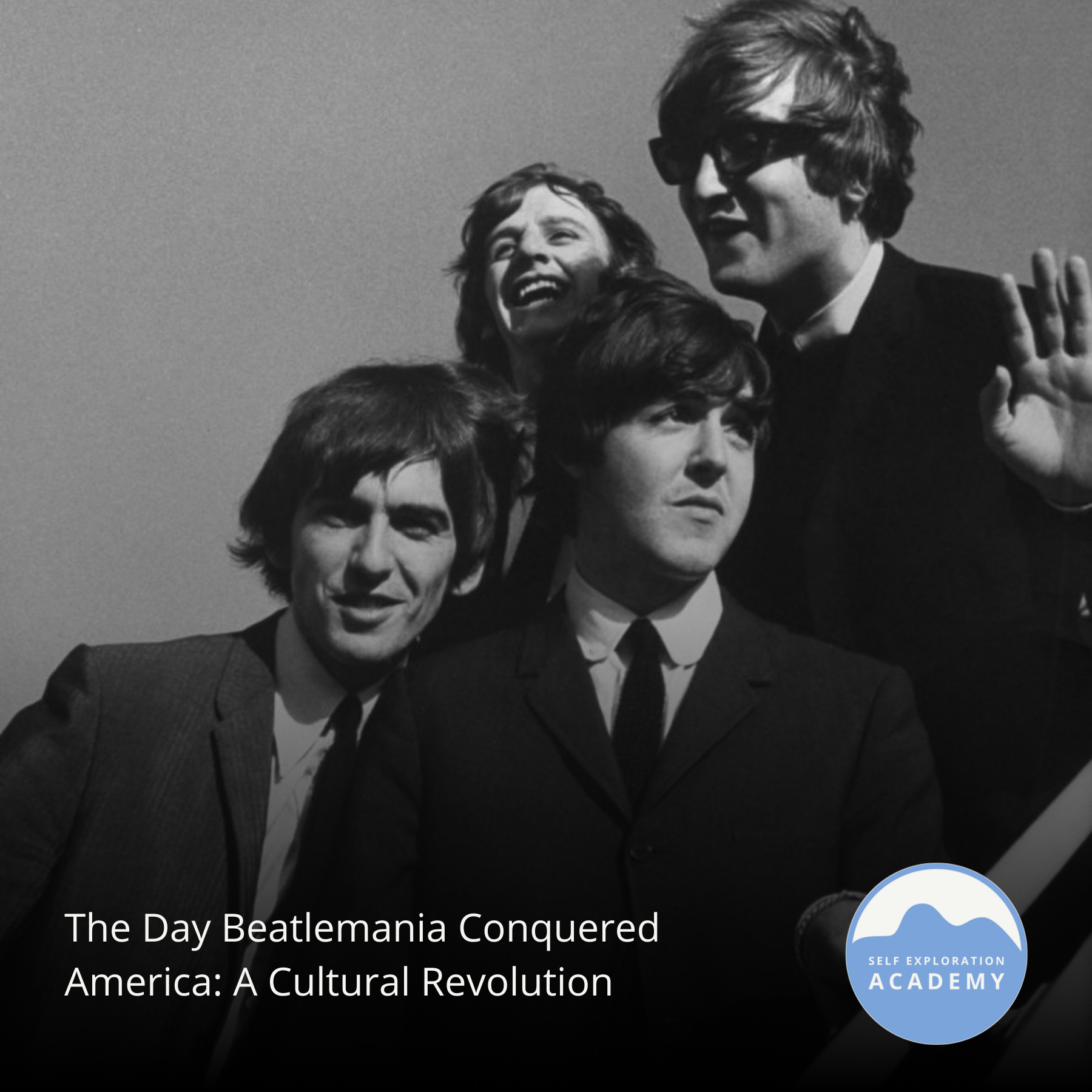
The Day Beatlemania Conquered America: A Cultural Revolution
Relive the electrifying conclusion of The Beatles' 1964 U.S. tour. Discover how Beatlemania swept the nation, transforming music and youth culture forever. A look into the hysteria, joy, and lasting impact.
Relive the electrifying moment The Beatles concluded their groundbreaking 1964 U.S. tour, solidifying their legendary status and forever changing music history.
On September 22, 1964, New York City pulsed with a fervor that had swept across America for seven months. The Beatles, having ignited a cultural phenomenon with their debut on The Ed Sullivan Show in February, concluded their inaugural U.S. tour at the Paramount Theatre. This was more than just a concert; it was the crescendo of Beatlemania, a sonic and emotional explosion that irrevocably altered the landscape of popular culture.
The Moment Itself
When John Lennon, Paul McCartney, George Harrison, and Ringo Starr first stepped onto American soil, the nation was still reeling from the assassination of President Kennedy, searching for a collective balm. The Beatles, with their mop-top haircuts, witty banter, and infectious rock-and-roll, offered precisely that. Their music was a vibrant, optimistic counterpoint to the prevailing national mood, a joyous rebellion that resonated deeply with a generation eager for change. The tour itself was a whirlwind of sold-out arenas, chaotic airport arrivals, and relentless media attention. Each city they visited transformed into a microcosm of hysteria, with thousands of screaming teenagers, predominantly girls, creating a deafening wall of sound that often drowned out the music itself. The final New York show was not just a performance but a coronation, solidifying their status as global icons and cementing the "British Invasion" as a dominant force in American music. What was at stake was the very definition of youth culture and the future direction of popular entertainment.

The Emotional Landscape
The emotional landscape of Beatlemania was a tempest of raw, unfiltered human feeling. For the millions of young fans, it was an experience of pure, unadulterated joy and liberation. Their screams were not just noise but an expression of collective euphoria, a release valve for teenage angst and burgeoning identity. There was a profound sense of belonging, of being part of something monumental and shared, that transcended individual experience. For the Beatles themselves, the tour was a dizzying blend of exhilaration and exhaustion, a surreal journey through unprecedented fame. They were both the architects and the captives of this emotional maelstrom, navigating the constant adoration with a mixture of bemusement, gratitude, and professional resolve. Meanwhile, many parents and older generations viewed the phenomenon with a mix of bewilderment, disapproval, and even fear, perceiving the screaming and idolization as a sign of cultural decline or a threat to traditional values. This generational divide highlighted the profound emotional chasm that Beatlemania both exposed and widened.
A Lesson in Social Emotional Learning
The rise of Beatlemania offers a compelling lesson in Social Awareness. The Beatles, whether consciously or instinctively, tapped into the collective emotional needs of a nation. Their music provided an antidote to a period of national mourning and uncertainty, offering a shared experience of joy and youthful rebellion that resonated across social strata. They became a focal point for a generation's desire for identity and expression, demonstrating an acute understanding of the zeitgeist. The fans, in turn, exhibited a powerful form of collective social awareness, forming a cohesive community through their shared passion and creating a cultural movement that transcended individual preferences. The phenomenon underscored how shared emotional experiences, particularly those catalyzed by cultural touchstones, can forge powerful bonds and shape collective identity. The moment still speaks to us today, reminding us of music's profound power to unite, heal, and reflect the deepest yearnings of a society, and the enduring human need for shared experiences that transcend individual anxieties.
Latest Posts











A Defining Moment: The Signing of the 1964 Civil Rights Act
Explore the pivotal July 2, 1964 signing of the Civil Rights Act. Unpack the moment's raw emotions, cultural shifts, and lasting impact on American society. A truly transformative day.
Exploring the emotional, cultural, and political landscape surrounding America's landmark legislation against segregation and discrimination.
The Moment Itself
On July 2, 1964, President Lyndon B. Johnson sat at a desk in the East Room of the White House, surrounded by civil rights leaders, members of Congress, and a nation holding its breath. The pen in his hand was poised over one of the most transformative pieces of legislation in American history: the Civil Rights Act of 1964. For decades, the shadow of Jim Crow had loomed large over the American South, and indeed, pockets of discrimination permeated the entire country. Black Americans faced legal segregation in schools, public accommodations, transportation, and housing, coupled with systemic disenfranchisement and economic oppression. The movement to dismantle these injustices had gained unprecedented momentum in the preceding years, fueled by the courageous actions of ordinary citizens in lunch counter sit-ins, freedom rides, and massive demonstrations, often met with brutal violence. The assassination of President John F. Kennedy in November 1963 had cast a somber urgency over the legislative effort he had initiated, leaving his successor, Johnson—a Texan who understood the deep-seated prejudices of the South—to shepherd the contentious bill through Congress. At stake was nothing less than the promise of equality for millions and the very soul of American democracy. With a solemn stroke, Johnson signed the bill into law, officially outlawing segregation in public places and prohibiting discrimination in employment based on race, color, religion, sex, or national origin.
The Emotional Landscape
The signing evoked a profound and complex tapestry of emotions across the nation. For civil rights leaders like Dr. Martin Luther King Jr., Rosa Parks, and countless activists who had endured bombings, beatings, and arrests, the moment was a culmination of decades of struggle, offering a potent mix of exhausted relief and exhilarating triumph. There was hope—a genuine belief that the legal framework for a more just society had finally been laid. Yet, underneath the jubilation, there was also a pervasive understanding that a law on paper did not instantly eradicate ingrained prejudice and systemic injustice; the fight for true equality, particularly voting rights and economic justice, was far from over. Conversely, for many white Americans, particularly in the South, the Act was met with deep resentment, anger, and a sense of betrayal. It challenged long-held social hierarchies and traditions, fueling fear of change and a perceived loss of power and identity. The national mood was one of stark division, a palpable tension between the forces of progress and the entrenched resistance to it, all underscored by the raw courage of those who marched and the profound grief over lives lost in the struggle for dignity.
A Lesson in Social Emotional Learning
The passage of the Civil Rights Act of 1964 offers profound insights into Social Awareness and Responsible Decision-Making. The entire Civil Rights Movement exemplified profound social awareness: the collective ability to understand and empathize with the experiences, perspectives, and needs of diverse individuals and groups—specifically, the systemic oppression faced by Black Americans. Leaders and participants cultivated this awareness not only within their own communities but also sought to awaken it in the broader American public through non-violent protests, powerful oratory, and persistent activism that laid bare the brutal realities of segregation. This heightened social awareness then fueled Responsible Decision-Making. President Johnson’s decision to prioritize the passage of the Act, despite significant political risk and the potential for a backlash from his own party, demonstrated a commitment to moral principles and the long-term well-being of the nation over short-term political expediency. Similarly, the movement’s consistent adherence to non-violence, even in the face of extreme provocation, was a testament to responsible decision-making, choosing a path that maximized moral authority and minimized destructive conflict. This historic moment continues to speak to us today, reminding us that societal progress demands both a deep empathetic understanding of others' struggles and the courageous, responsible choices required to dismantle injustice and build a more equitable world.
Latest Posts