
The Day Beatlemania Conquered America: A Cultural Revolution
Relive the electrifying moment The Beatles concluded their groundbreaking 1964 U.S. tour, solidifying their legendary status and forever changing music history.
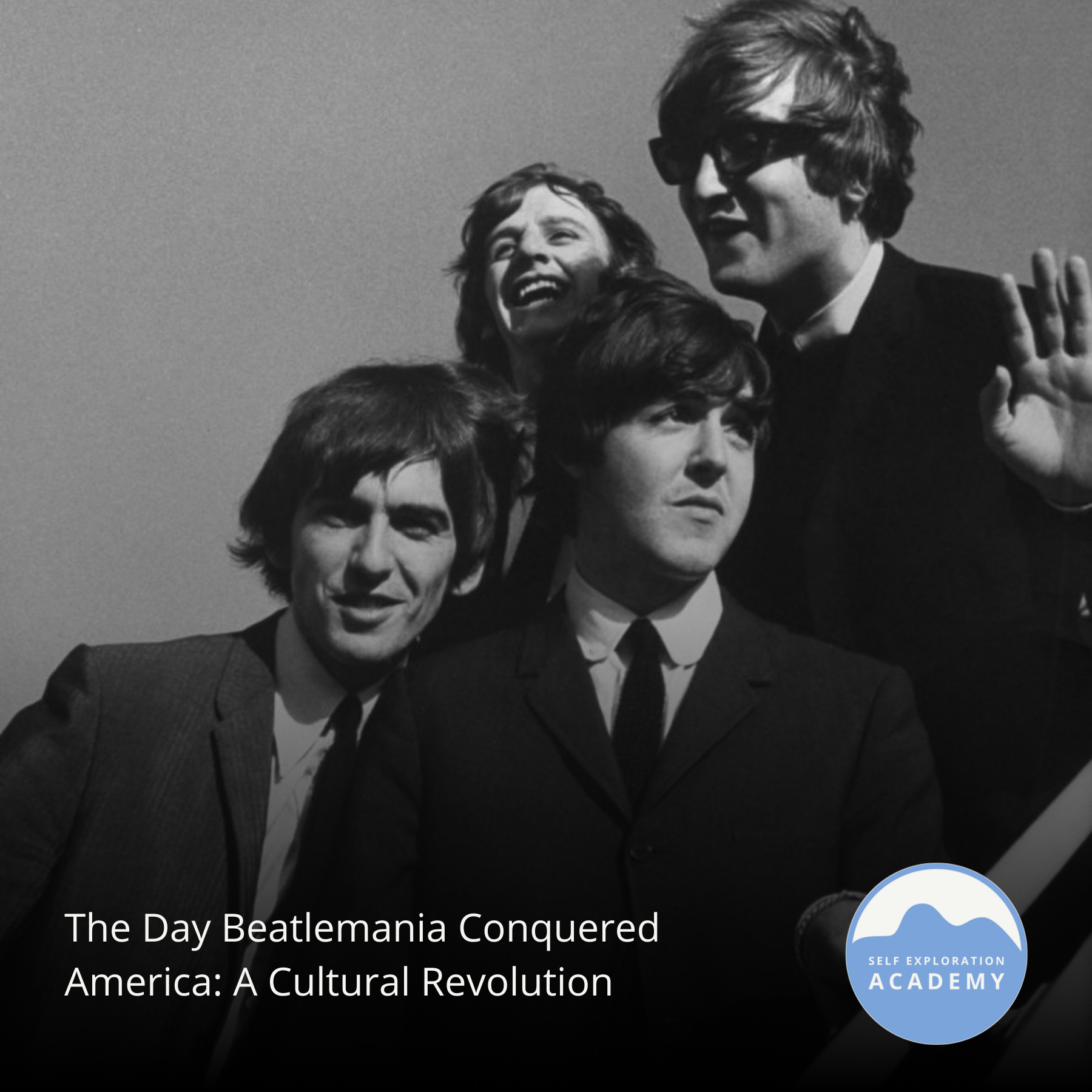
On September 22, 1964, New York City pulsed with a fervor that had swept across America for seven months. The Beatles, having ignited a cultural phenomenon with their debut on The Ed Sullivan Show in February, concluded their inaugural U.S. tour at the Paramount Theatre. This was more than just a concert; it was the crescendo of Beatlemania, a sonic and emotional explosion that irrevocably altered the landscape of popular culture.
The Moment Itself
When John Lennon, Paul McCartney, George Harrison, and Ringo Starr first stepped onto American soil, the nation was still reeling from the assassination of President Kennedy, searching for a collective balm. The Beatles, with their mop-top haircuts, witty banter, and infectious rock-and-roll, offered precisely that. Their music was a vibrant, optimistic counterpoint to the prevailing national mood, a joyous rebellion that resonated deeply with a generation eager for change. The tour itself was a whirlwind of sold-out arenas, chaotic airport arrivals, and relentless media attention. Each city they visited transformed into a microcosm of hysteria, with thousands of screaming teenagers, predominantly girls, creating a deafening wall of sound that often drowned out the music itself. The final New York show was not just a performance but a coronation, solidifying their status as global icons and cementing the "British Invasion" as a dominant force in American music. What was at stake was the very definition of youth culture and the future direction of popular entertainment.
The Emotional Landscape
The emotional landscape of Beatlemania was a tempest of raw, unfiltered human feeling. For the millions of young fans, it was an experience of pure, unadulterated joy and liberation. Their screams were not just noise but an expression of collective euphoria, a release valve for teenage angst and burgeoning identity. There was a profound sense of belonging, of being part of something monumental and shared, that transcended individual experience. For the Beatles themselves, the tour was a dizzying blend of exhilaration and exhaustion, a surreal journey through unprecedented fame. They were both the architects and the captives of this emotional maelstrom, navigating the constant adoration with a mixture of bemusement, gratitude, and professional resolve. Meanwhile, many parents and older generations viewed the phenomenon with a mix of bewilderment, disapproval, and even fear, perceiving the screaming and idolization as a sign of cultural decline or a threat to traditional values. This generational divide highlighted the profound emotional chasm that Beatlemania both exposed and widened.
A Lesson in Social Emotional Learning
The rise of Beatlemania offers a compelling lesson in Social Awareness. The Beatles, whether consciously or instinctively, tapped into the collective emotional needs of a nation. Their music provided an antidote to a period of national mourning and uncertainty, offering a shared experience of joy and youthful rebellion that resonated across social strata. They became a focal point for a generation's desire for identity and expression, demonstrating an acute understanding of the zeitgeist. The fans, in turn, exhibited a powerful form of collective social awareness, forming a cohesive community through their shared passion and creating a cultural movement that transcended individual preferences. The phenomenon underscored how shared emotional experiences, particularly those catalyzed by cultural touchstones, can forge powerful bonds and shape collective identity. The moment still speaks to us today, reminding us of music's profound power to unite, heal, and reflect the deepest yearnings of a society, and the enduring human need for shared experiences that transcend individual anxieties.
Latest Posts










Discover SEA’s 95 Universal Core Competencies—a research-informed, human-centered framework for building the life skills that actually matter. Organized in nine domains, this guide explores what it means to be truly capable.