
WELCOME TO
The Academic Blog

Echoes of the Marne: A Story of Desperation and Resolve
Relive the Second Battle of the Marne, WWI's intense turning point. Discover the desperate strategies, raw emotions, and crucial lessons in responsible decision-making from this pivotal historical moment.
How Germany's final offensive in 1918 became a testament to both leadership failure and strategic brilliance, offering insights into human decision-making under duress.
The Moment Itself
By the summer of 1918, the Western Front was a crucible of attrition, and Germany, despite significant gains from its Spring Offensive, was acutely aware that time was not on its side. The arrival of fresh, eager American troops was tilting the balance of manpower and morale decisively towards the Allies. General Erich Ludendorff, the effective commander of the German war effort, knew he needed one final, decisive blow before the American strength became overwhelming. He planned a grand offensive, Operation Marneschutz-Reims, aimed at splitting the French armies, securing a crucial railway hub, and ultimately enveloping Paris. On July 15, 1918, under the cover of dense fog and a thunderous artillery barrage, German stormtroopers launched their attack across a broad front near the Marne River, a haunting echo of the first battle that had halted their advance in 1914. This time, however, the Allies were prepared. French General Ferdinand Foch, the Allied supreme commander, had anticipated the attack due to intelligence gathered from captured German prisoners and reconnaissance. Instead of a rigid defense, Foch ordered a flexible, elastic defense, allowing German forces to advance into pre-prepared killing zones before unleashing devastating counter-fire. Crucially, French, British, and American divisions, including the seasoned U.S. 3rd Division, held their ground with resolute tenacity, particularly along the Marne itself. The gamble was on; the fate of the Western Front hung in the balance.
The Emotional Landscape
The emotional texture of that July morning was a volatile mix of hope, exhaustion, and desperate resolve. For the German soldiers, it was perhaps a final, desperate surge of belief that this push would finally break the stalemate and bring them home. Yet, beneath that manufactured optimism lay the profound weariness of four years of brutal trench warfare, starvation, and endless sacrifice. Many must have felt a chilling dread, knowing the odds against success were growing steeper. On the Allied side, the initial shock of the barrage quickly morphed into a fierce determination. For the French, defending their homeland was a visceral imperative. For the arriving Americans, it was their true baptism of fire, a chance to prove their mettle and contribute decisively. There was collective fear, certainly, as shells exploded and comrades fell, but also a raw courage born of necessity and a shared desire for the conflict to end. As the German advance faltered and then stalled, a palpable sense of hope began to replace despair, solidifying into steely resolve for the imminent counter-offensive.
A Lesson in Social Emotional Learning
The Second Battle of the Marne offers a powerful, albeit grim, lesson in Responsible Decision-Making. Ludendorff's decision to launch this final, exhaustive offensive was a catastrophic failure of this competency. Despite dwindling resources, exhausted troops, and clear intelligence suggesting the Allies were anticipating the attack, he pressed forward, driven by a desperate gamble rather than a sober assessment of reality. This highlights the dangers of decisions made under extreme pressure without sufficient Self-Awareness of one's own limitations or Social Awareness of the opponent's capabilities and morale. Conversely, General Foch's leadership demonstrates successful Responsible Decision-Making. His decision to adopt an elastic defense, based on accurate intelligence and a deep understanding of battlefield dynamics, allowed his forces to absorb the German blow effectively and conserve strength for a devastating counter-attack. He exhibited strong Social Awareness, correctly gauging the German's desperate intent, and Self-Management, avoiding the impulse to meet the attack head-on with a rigid defense.
Today, this moment still speaks to us about the critical importance of measured judgment, especially in high-stakes situations, and the profound consequences when desperate hope overrides rational assessment.
Latest Posts


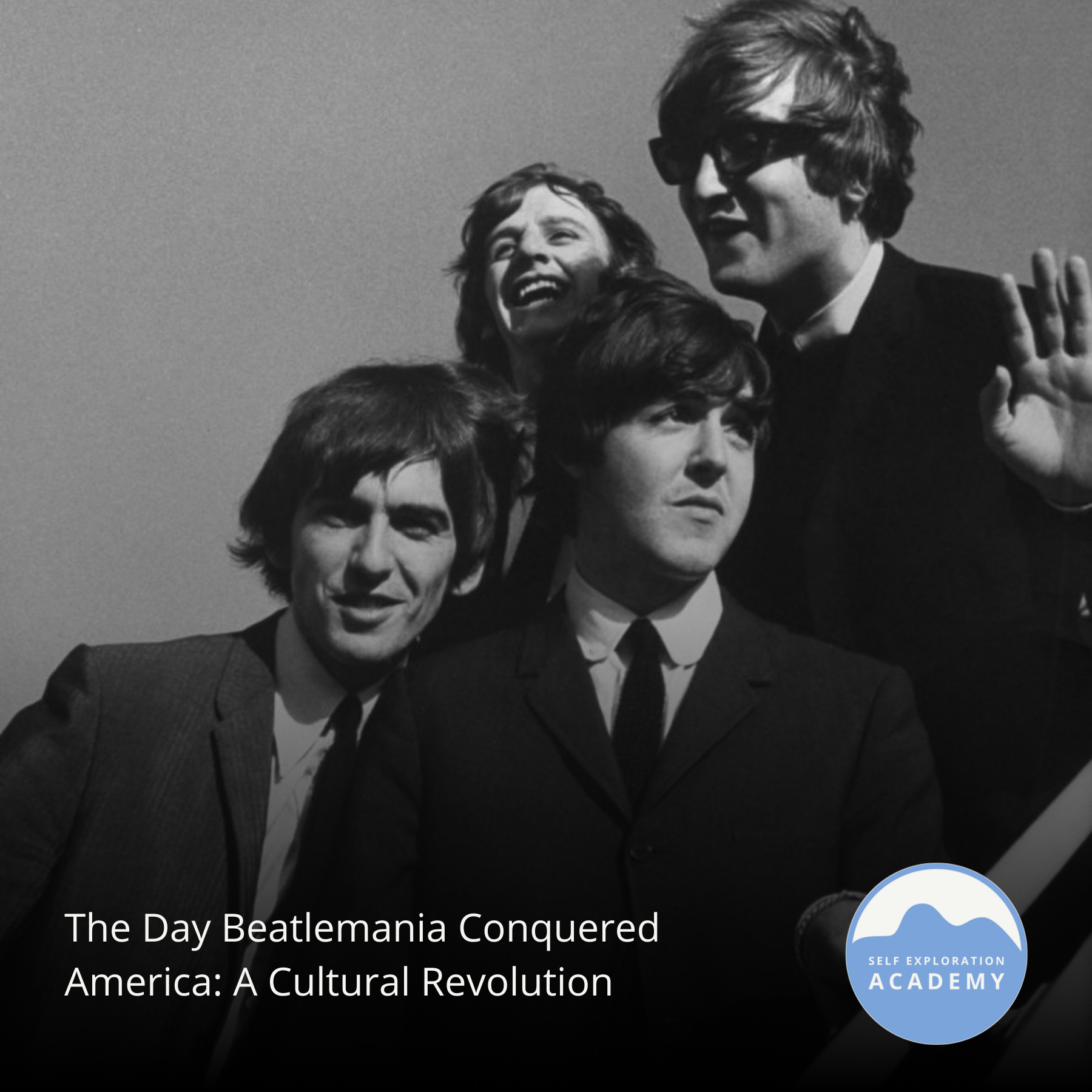









More Than Just a Moon Landing: Apollo 11's Influence on Social Emotional Learning
From the moon to the classroom: Explore the surprising connections between space exploration and social emotional learning.
From the Moon to the Classroom: A New Perspective on SEL
The Apollo 11 mission had a profound impact on discussions on space exploration and science education, inspiring a new generation of scientists, engineers, and explorers. Here are some key ways it influenced these areas:
Increased public interest and support:
Media coverage: The mission was extensively covered by media outlets worldwide, capturing the imagination of millions and sparking a renewed interest in space exploration.
National pride: The successful landing was a major source of national pride for the United States, inspiring a sense of optimism and possibility.
Public support: The mission increased public support for space exploration programs, leading to increased funding and investment in future missions.
Advancements in technology and science:
Technological innovations: The Apollo program led to significant advancements in technology, such as rocket propulsion, life support systems, and communication systems. These innovations had a lasting impact on many other industries, including medicine, transportation, and communications.
Scientific discoveries: The mission provided valuable scientific data about the moon, including its composition, geology, and atmosphere. These discoveries contributed to a better understanding of the solar system and the formation of the Earth.
Impact on education:
Increased interest in STEM fields: The mission inspired many young people to pursue careers in science, technology, engineering, and mathematics (STEM). This led to a significant increase in enrollment in STEM programs at schools and universities.
New curriculum and teaching methods: The Apollo program led to the development of new curriculum and teaching methods that focused on space exploration and science. These materials helped to make science more engaging and accessible to students of all ages.
International cooperation:
Global collaboration: The Apollo program demonstrated the importance of international cooperation in space exploration. The success of the mission helped to foster a sense of global unity and inspired future collaborations between nations.
Overall, the Apollo 11 mission had a lasting impact on discussions on space exploration and science education. It inspired a new generation of scientists and engineers, fueled advancements in technology and science, and fostered a sense of global unity. The legacy of Apollo 11 continues to inspire and mot
Featured Courses


The Case for Social Emotional Learning
The Apollo 11 mission, while not directly related to social emotional learning (SEL), provides several valuable lessons that can be applied to online programs like "Identity, Expression, and Desire" at Self Exploration Academy. Here are some ways the story supports the case for SEL in online programs:
1. The Importance of Collaboration and Teamwork:
The Apollo 11 mission was a massive undertaking that required the collaboration of thousands of individuals from various fields. This demonstrates the importance of teamwork and cooperation in achieving complex goals.
In online programs like "Identity, Expression, and Desire," participants can benefit from opportunities to collaborate with their peers and learn from each other's experiences. This can foster a sense of community and belonging, which are essential for social emotional well-being.
2. The Value of Perseverance and Resilience:
The Apollo program faced numerous challenges and setbacks, but the team persevered and ultimately achieved their goal. This demonstrates the importance of perseverance and resilience in overcoming obstacles.
Online programs can provide participants with opportunities to develop these qualities by encouraging them to set goals, overcome challenges, and learn from their mistakes. This can help participants build self-confidence and resilience, which are essential for social emotional well-being.
3. The Power of Inspiration and Motivation:
The Apollo 11 mission inspired millions of people around the world and sparked a new era of space exploration. This demonstrates the power of inspiration and motivation to drive positive change.
Online programs can create a supportive and inspiring environment that encourages participants to explore their own identities, express themselves authentically, and pursue their goals. This can help participants feel motivated and empowered to make positive changes in their lives.
4. The Importance of Curiosity and Exploration:
The Apollo program was driven by a spirit of curiosity and exploration, which led to significant scientific discoveries. This demonstrates the importance of curiosity and exploration in personal and professional growth.
Online programs can foster a sense of curiosity and exploration by providing participants with opportunities to learn new things, experiment with different ideas, and discover their own passions. This can help participants develop a growth mindset and a lifelong love of learning.
In conclusion, while the Apollo 11 mission may not be directly related to social emotional learning, it provides valuable lessons that can be applied to online programs like "Identity, Expression, and Desire" at Self Exploration Academy. By fostering collaboration, perseverance, inspiration, and curiosity, these programs can help participants develop essential social emotional skills that will benefit them throughout their lives.
Related Posts


Beyond Blame: How the Treaty of Versailles Shaped the World
The Treaty of Versailles: A harsh peace deal fueled resentment. Can studying history teach empathy & prevent future conflict?
Can History Lessons Teach Us to Be More Understanding?

The signing of the Treaty of Versailles on June 28, 1919, marked the official conclusion of World War I. However, the terms of the treaty proved to be highly controversial, shaping not only the aftermath of the war but also future diplomatic discussions and historical interpretations.
Details of the Treaty:
Harsh penalties on Germany: The treaty placed the blame for the war solely on Germany (the "war guilt clause") and imposed severe punishments. These included:
Territorial losses: Germany ceded land to France, Belgium, Poland, and Denmark.
Military restrictions: The German army was significantly reduced, and the navy was heavily restricted.
Reparations: Germany was forced to pay massive sums of money to compensate the Allied powers for war damages.
A Flawed Peace?: Despite aiming to prevent future wars, the treaty's punitive nature left resentment in Germany. Critics, like economist John Maynard Keynes, argued the reparations were excessive and would cripple the German economy, ultimately leading to instability.
Influences:
Diplomacy: The Treaty of Versailles highlighted the challenges of crafting a sustainable peace after a devastating war. It emphasised the importance of considering long-term consequences and addressing the root causes of conflict. The treaty's shortcomings influenced later peace treaties, like those ending World War II, which aimed to be more balanced and rebuild defeated nations.
History Education: The Treaty of Versailles remains a subject of debate among historians. Understanding the treaty's terms and its role in the rise of Nazism is crucial for comprehending the causes of World War II. Studying the treaty encourages critical analysis of historical events and their long-term effects.
Legacy:
The Treaty of Versailles is a complex historical event with a lasting legacy. It serves as a reminder of the difficulties of achieving lasting peace and the importance of considering all sides in a conflict. The treaty's influence continues to shape diplomatic discussions and historical understanding of the 20th century.
Featured Courses
The Case for Social Emotional Learning
The story of the Treaty of Versailles connects to social-emotional learning (SEL) in online programs in a few interesting ways, particularly when considering a program titled "Identity, Expression and Desire" at Self Exploration Academy.
SEL and the Treaty of Versailles:
Empathy and Perspective-Taking: The Treaty of Versailles lacked empathy for the German people. SEL programs can help students develop empathy by understanding the perspectives of others involved in historical events. "Identity, Expression and Desire" could explore how the harsh treatment of Germany fueled resentment and contributed to the rise of Nazism.
Critical Thinking and Decision-Making: The treaty's consequences highlight the importance of considering long-term effects. SEL programs can teach critical thinking skills to analyse complex situations and potential outcomes. "Identity, Expression and Desire" could explore the role of emotions and biases in decision-making during peace negotiations.
Social Responsibility and Global Citizenship: The treaty's focus on punishment rather than reconciliation created instability. SEL programs can foster social responsibility and awareness of how individual actions can impact global issues. "Identity, Expression and Desire" could delve into the concept of collective responsibility and how national identities can be shaped by historical events.
Social-Emotional Learning in Online Programs:
While online environments might seem impersonal, SEL integration can strengthen online programs like "Identity, Expression and Desire" at Self Exploration Academy:
Discussion Forums: Discussions can be facilitated to encourage respectful exchange of ideas and perspectives on historical events like the Treaty of Versailles.
Collaborative Projects: Students can work together to analyse primary sources related to the treaty, fostering teamwork and communication.
Reflective Activities: Journaling prompts or online surveys can encourage students to reflect on their own identities and how they might be shaped by historical events.
By integrating SEL skills like empathy, critical thinking, and social responsibility, online programs like "Identity, Expression and Desire" can equip students to become not just informed citizens but also thoughtful participants in a globalised world.
Related Posts
Discover SEA’s 95 Universal Core Competencies—a research-informed, human-centered framework for building the life skills that actually matter. Organized in nine domains, this guide explores what it means to be truly capable.