

WELCOME TO
The Academic Blog
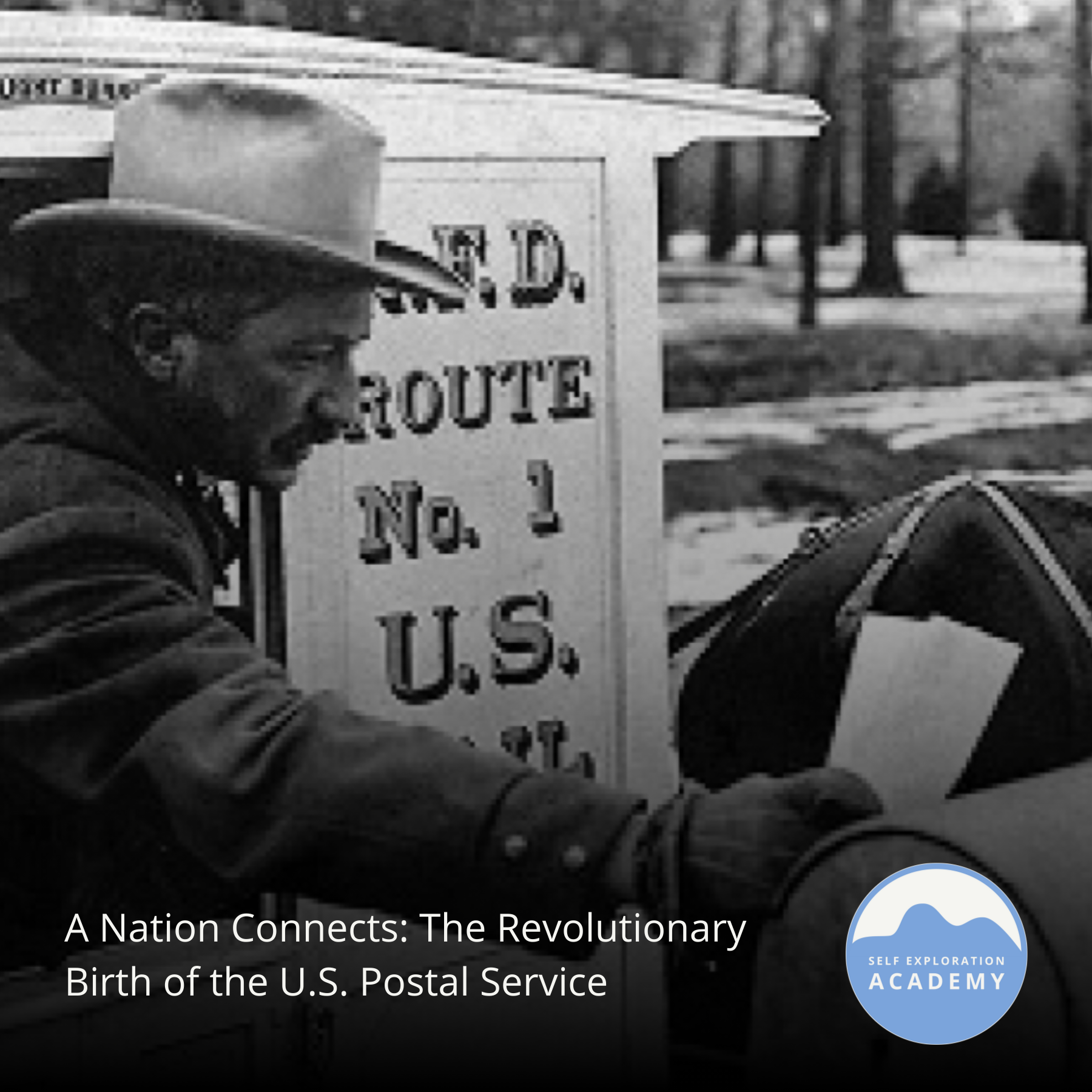
A Nation Connects: The Revolutionary Birth of the U.S. Postal Service
Discover how Benjamin Franklin’s strategic move to create the U.S. Postal Service in 1775 was crucial for American independence, connecting a nation in revolution.
Discover how Benjamin Franklin's strategic vision for communication became the backbone of America's fight for independence.
The Moment Itself
On July 26, 1775, amidst the burgeoning turmoil of the American Revolution, a seemingly administrative act unfolded that would prove pivotal to the nascent nation's survival: the Continental Congress, meeting in Philadelphia, established the U.S. Post Office Department and appointed Benjamin Franklin as its first Postmaster General. This was not a mere bureaucratic formality but a strategic maneuver born of urgent necessity. With British forces occupying Boston and the colonies teetering on the brink of full-scale war, a unified and reliable system of communication was paramount. The existing haphazard network, often reliant on private couriers or British postal routes, was inadequate and vulnerable to disruption. What was at stake was nothing less than the coherence of the revolutionary effort itself—the ability to coordinate military movements, disseminate crucial intelligence, and foster a shared sense of purpose among thirteen disparate colonies. Franklin, a man of profound intellect and extensive experience as a former colonial deputy postmaster general under British rule, possessed the unique understanding and respect necessary to forge this vital link. His appointment signaled the Congress’s intent to build independent institutions capable of sustaining a protracted struggle for freedom.
The Emotional Landscape
The emotional landscape of 1775 was a volatile mix of hope, desperation, and simmering anger. For patriots, the establishment of an American-controlled postal system would have been a beacon of hope, a tangible sign of self-governance taking root amidst chaos. The riders, often risking their lives traversing dangerous routes, became symbols of resilience, embodying the unwavering commitment to a cause larger than themselves. There would have been a collective sigh of relief among leaders receiving critical dispatches, a sense of unity forged through the exchange of letters, pamphlets, and news. Yet, beneath this nascent optimism lay the pervasive fear of discovery, betrayal, and the harsh realities of war. Every letter carried potential danger, every message a risk. The ability to communicate securely, to share both successes and sorrows, was a vital emotional lifeline for a people bound by a shared destiny yet physically separated by vast distances.
A Lesson in Social Emotional Learning
The founding of the U.S. Postal Service provides a profound lesson in Responsible Decision-Making. Faced with existential threats and an urgent need for cohesion, the Continental Congress did not merely react; it deliberately assessed the critical requirement for communication infrastructure and took decisive action to create it. This was a collective exercise in responsible decision-making, where leaders recognized a fundamental need, weighed the strategic implications of unreliable communication, and proactively designed a solution. They chose Franklin, not merely for his administrative acumen, but for his deep understanding of the colonies’ needs and his proven track record. The decision reflected a clear-eyed evaluation of resources, risks, and desired outcomes, demonstrating how foresight and proactive planning, even under immense pressure, can lay the foundation for enduring success. This moment speaks to us today about the enduring power of effective communication and the vital role of sound, collective decision-making in navigating crises and building resilient societies.
Latest Posts











Beyond the Battlefield: Reconstruction's Legacy and Your Online Identity
The Civil War may be over, but its legacy of racial injustice continues. Learn how online courses can help us develop social-emotional skills to confront these challenges.
From History Class to Online Identity: Lessons from Reconstruction

The end of the Civil War on April 9, 1865, ushered in a complex and often fraught period known as Reconstruction (1865-1877). Here's how it impacted reconstruction and history education:
Reconstruction:
Reintegration Challenges: The Union had to grapple with reintegrating the defeated Southern states back into the nation. This involved not just physical reconstruction, but also social and political reconstruction, particularly regarding the formerly enslaved population.
Failed Promises: Reconstruction aimed to create a just society for African Americans, granting them citizenship and the right to vote. However, these goals were largely unmet.expand_moreSouthern states passed restrictive "Black Codes" to limit Black freedom, and federal commitment waned.
Seeds of Segregation: Reconstruction's failures laid the groundwork for a century of segregation and Jim Crow laws that denied Black Americans equal rights.
History Education:
Conflicting Narratives: The legacy of Reconstruction remains contested. Southern narratives often downplay the era's significance for Black freedom struggles and focus on a "Lost Cause" interpretation of the Confederacy.
Importance of Reconstruction: Modern history education emphasises Reconstruction's importance in the fight for racial equality. It highlights the efforts of Black Americans to claim their freedom and participate in civic life.
Ongoing Discussion: Teaching Reconstruction encourages critical thinking about the incompleteness of emancipation and the ongoing struggle for racial justice in America.
In essence, the Civil War's end marked the beginning of a long and unfinished chapter in American history. Reconstruction's legacy serves as a reminder of the ongoing need for racial equality and a more complete understanding of the past.
Featured Courses


The Case for Social Emotional Learning
The story of the American Civil War and Reconstruction strongly supports the case for Social and Emotional Learning (SEL) in online programs like "Identity, Expression, and Desire" at the Self Exploration Academy. Here's why:
Understanding Complexities: Reconstruction involved deep societal divisions based on race, ideology, and past experiences. SEL helps students navigate these complexities by developing skills in:
Perspective-taking: Understanding the viewpoints of others who may have different experiences or backgrounds, especially those historically marginalised like African Americans during Reconstruction.
Empathy: Recognizing and responding to the emotions of others, crucial for understanding the struggles of formerly enslaved people and the anxieties of white Southerners.
Communication: Expressing oneself clearly and respectfully, fostering productive dialogue about sensitive historical topics like Reconstruction's failures.
Identity and Social Justice: "Identity, Expression, and Desire" seems to explore personal identity. SEL complements this by:
Self-awareness: Identifying one's own biases and how they might influence understanding of historical events like Reconstruction's racial injustices.
Social awareness: Understanding the role of race and social structures in shaping historical events and contemporary society.
By developing these skills, students can engage critically with history, particularly the Civil War and Reconstruction, and its ongoing legacy. They can explore their own identities within a broader social context and consider how historical events continue to impact the present.
Online Learning Environment: Social and emotional learning is particularly important in online environments like the Self Exploration Academy:
Reduced Social Cues: Online learning lacks face-to-face interaction, making it harder to interpret emotions and social cues. SEL helps students navigate online communication effectively.
Diverse Backgrounds: Online programs attract students from varied backgrounds. SEL fosters respectful interaction and understanding despite physical distance.
By integrating SEL into "Identity, Expression, and Desire," the Self Exploration Academy can create a more inclusive learning environment where students can explore sensitive topics like Reconstruction with empathy, critical thinking, and a deeper understanding of themselves and the world around them.
Related Posts


From Horse-Drawn Carriages to Subways: How Streetcars Revolutionised Cities
Horse-drawn streetcars & online learning? It might surprise you, but this blog post explores a fascinating connection.
Why Learning About Horse-Drawn Carriages Can Improve Your Online Experience

The inauguration of the first streetcar system in New York City on November 14, 1832, was a pivotal moment for several reasons:
Transportation Revolution:
Efficiency: Horse-drawn streetcars offered a more efficient mode of transportation compared to horse-drawn omnibuses (stagecoaches) previously used. The rails reduced friction, allowing horses to pull more passengers further and faster. This efficiency spurred ridership and urban sprawl as people could live further from workplaces and still have a reliable way to get around.
Urban Mobility: Streetcars facilitated the growth of cities by enabling easier movement of people and goods within the expanding urban areas. This denser population created new demands for services and businesses, further fueling urban development.
Impact on Urban Planning and Transportation Studies:
Planning for Mass Transit: The success of streetcars highlighted the need for well-planned public transportation systems to accommodate growing populations. Urban planners began incorporating dedicated lanes for streetcars, influencing future infrastructure development.
Birth of Modern Transit Systems: Streetcars paved the way for later advancements in electric trolleys and eventually subways. The lessons learned from managing ridership, optimising routes, and integrating public transit with urban planning became foundational concepts for modern transportation systems.
However, it's important to consider the limitations of horse-drawn streetcars:
Horse Manure: The large number of horses used to pull streetcars generated significant amounts of manure, creating sanitation problems in cities.
Limited Range: Horse-drawn cars had a limited range compared to later technologies like electric trolleys.
Despite these limitations, the 1832 inauguration of the first NYC streetcar system marked a turning point in urban transportation. It ushered in an era of mass transit planning and innovation, the effects of which are still felt in modern transportation systems around the world.
Featured Courses
The Case for Social Emotional Learning
In reviewing the story of the NYC streetcar system, we can draw a parallel between the development of the transportation system and the importance of SEL in online programs like "Identity, Expression and Desire" at Self Exploration Academy.
Here's how:
The Need for Understanding Diverse Users: The success of the streetcar system relied on understanding the needs of the city's growing and diverse population. Similarly, SEL programs help students understand themselves and others better. "Identity, Expression and Desire" likely focuses on exploring personal identities, navigating emotions, and effectively expressing oneself. These are all crucial aspects of social-emotional learning.
Planning for Different Needs: The streetcar system wasn't a one-size-fits-all solution. Urban planners had to consider various factors like residential areas, commercial districts, and passenger demographics. Similarly, effective online programs cater to diverse learners. SEL programs like "Identity, Expression and Desire" can provide students from different backgrounds with tools to navigate their unique social and emotional experiences.
Building a Functional System: The streetcar system's success hinged on different parts working together – efficient tracks, reliable horses, and a well-designed network. Just like that, SEL is about building a well-rounded individual. Programs like "Identity, Expression and Desire" can equip students with the social and emotional skills to navigate online interactions effectively, forming healthy online relationships.
In essence, the story of the NYC streetcar system highlights the importance of considering diverse needs and fostering collaboration to build a functional system. This resonates with the core principles of SEL programs like "Identity, Expression and Desire" which aim to equip students with the social and emotional tools to navigate the complexities of online interactions and build healthy online identities.
Related Posts

From Exclusion to Icon: How Rebecca Lee Crumpler Paved the Way for Diversity in Medicine
Can one doctor's story inspire a more diverse medical field? Discover how Dr. Crumpler's journey connects to social-emotional learning (SEL).
The Power of Self-Belief: How Overcoming Challenges Can Lead to Lasting Change

Rebecca Lee Crumpler's achievement of becoming the first Black woman to earn a medical degree in 1864 had a significant impact on both medical education and diversity:
Inspiration for aspiring minority doctors: Crumpler's success story shattered the barrier that existed for African Americans in the medical field. She served as a powerful role model, demonstrating that a career in medicine was attainable for minorities. This undoubtedly inspired future generations of Black students to pursue careers in medicine, enriching the field with a wider range of perspectives and experiences from a group that was previously excluded.
Pressure for institutional changes: Crumpler's accomplishment also brought to light the existing limitations for minorities in medical education. It highlighted the need for medical schools to become more inclusive and open their doors to a more diverse student body. This ultimately led to advancements in medical education by creating a more equitable environment that allowed for a wider range of voices and experiences in the field.
Featured Courses
The Case for Social Emotional Learning
Rebecca Lee Crumpler's story strongly supports the case for social-emotional learning (SEL) in online programs like "Identity, Expression and Desire" at Self Exploration Academy for a few reasons:
Self-Awareness: Crumpler's story highlights the importance of self-awareness, a core component of SEL. Overcoming racial and gender barriers required a strong sense of self-belief and an understanding of her own motivations and goals. Programs like "Identity, Expression and Desire" can help students explore their own identities, fostering the confidence needed to pursue their ambitions despite societal limitations.
Growth Mindset: Crumpler's journey demonstrates the power of a growth mindset, another key aspect of SEL. She likely faced discouragement and prejudice throughout her education. Learning to navigate these challenges and persevere required a belief in her own ability to learn and grow. SEL programs can equip students with the tools and strategies to develop a growth mindset, allowing them to bounce back from setbacks and persist in achieving their goals.expand_more
Advocacy: Crumpler's story is one of advocacy. By becoming a doctor, she challenged the existing system and advocated for a more inclusive medical field. SEL programs can help students develop the skills for healthy and effective advocacy, empowering them to stand up for what they believe in and fight for change, just like Crumpler did.
Diversity and Inclusion: Crumpler's story embodies the value of diversity and inclusion. Her presence in medicine enriched the field with a new perspective. Programs like "Identity, Expression and Desire" can help students appreciate the importance of diversity and develop the skills to work effectively with people from different backgrounds.
By exploring themes of identity, expression and desire, online programs like "Identity, Expression and Desire" can provide students with the social-emotional tools they need to navigate challenges, advocate for themselves and others, and ultimately contribute to a more diverse and inclusive world, just like Rebecca Lee Crumpler did.
Related Posts

"Identity, Expression and Desire": How Online Learning Gets Personal
Radio lectures started online education, but can it foster connection? Learn how SEL builds community in online programs.
The Radio Lesson That Changed Education (and Why It Matters Today)

The University of Wisconsin's radio broadcast of a lecture in 1922 held significant scope for distance education. Prior to this, traditional classroom settings limited access to knowledge. This broadcast proved that radio could transmit educational content to a wider audience, geographically dispersed. This event pioneered distance education methods by demonstrating the feasibility of using radio waves to deliver lectures and educational programs to remote locations.
Imagine a time before the internet, educational documentaries, or online courses. Knowledge was largely disseminated through physical spaces like classrooms and libraries. The University of Wisconsin's broadcast in 1922 proved that radio could bridge that gap, bringing lectures to whoever had a radio receiver. This laid the groundwork for future educational radio programs and eventually paved the way for the development of distance learning methods we use today.
Featured Courses
The Case for Social Emotional Learning
The story of the first radio broadcast of a university lecture supports social-emotional learning (SEL) in online programs in a couple of ways:
1. Building Community in a New Learning Environment:
The radio broadcast, despite reaching a wider audience, lacked the physical interaction and social aspects of a traditional classroom.
Similarly, online programs can feel isolating.expand_more Social-emotional learning (SEL) helps create a sense of community and belonging in these virtual spaces.
Through online forums, discussion boards, or even video conferencing with classmates, SEL can foster connections and build a support system within the online program.
2. Identity Exploration in a Different Context:
A program titled "Identity, Expression and Desire" at the Self Exploration Academy directly deals with social-emotional aspects.
SEL helps students navigate these complexities by providing tools for self-awareness, self-management, social awareness, relationship skills, and responsible decision-making.
An online environment for such a program might feel impersonal. SEL can help students feel comfortable expressing themselves, sharing their experiences, and learning from others – all crucial for identity exploration.
The radio broadcast, a groundbreaking step in education, lacked a key element – the social interaction that fosters learning. Similarly, online programs need a focus on SEL to create a supportive and engaging learning environment where students can explore these important social and emotional aspects of themselves.
Related Posts

From Heart Transplant to Heartful Learning: How Dr. Barnard's Story Inspires SEL
The story of Dr. Christiaan Barnard, the pioneer of heart transplantation, provides compelling evidence for the importance of social emotional learning (SEL) in online programs. Let's delve into how Barnard's groundbreaking work aligns with SEL principles and explore the profound impact SEL can have on online learners.
Exploring the Connections between Dr. Barnard's Achievements and SEL Principles

Dr. Christiaan Barnard and His Contributions to Medical Education and Surgery
Dr. Christiaan Neethling Barnard (November 8, 1922 – September 2, 2001) was a South African cardiothoracic surgeon who performed the world's first human-to-human heart transplant on December 3, 1967. This groundbreaking achievement marked a pivotal moment in medical history and paved the way for significant advancements in the field of organ transplantation.
Barnard's contributions to medical education and surgery are numerous and far-reaching. His pioneering work in heart transplantation not only saved lives but also revolutionised surgical techniques and ethical considerations surrounding organ donation. Here are some of the key advancements attributed to his achievements:
Pioneering Heart Transplantation: Barnard's successful heart transplant opened up new possibilities for treating end-stage heart failure. His work demonstrated that organ transplantation could be a viable solution for patients with otherwise fatal conditions.
Surgical Technique Advancements: Barnard's team developed innovative surgical techniques for heart transplantation, including the use of hypothermia to protect the donor heart during transport and the development of new immunosuppressive drugs to prevent organ rejection.
Ethical Considerations in Organ Donation: Barnard's work raised important ethical questions about organ donation, consent, and the definition of death. His contributions helped establish guidelines for organ procurement and transplantation that are still followed today.
Impact on Medical Education: Barnard's achievements inspired a new generation of surgeons and researchers to pursue careers in cardiac transplantation and organ transplantation medicine. His work directly influenced the development of transplant surgery programs worldwide.
Public Awareness and Advocacy: Barnard became a public figure and advocate for organ donation, raising awareness about the importance of transplantation and the need for organ donors. His efforts contributed to increased organ donation rates and improved patient outcomes.
In addition to these specific contributions, Barnard's work had a broader impact on medical education and surgery. His pioneering spirit and dedication to improving patient care inspired countless others to push the boundaries of medical knowledge and technology. His legacy continues to inspire and guide the field of organ transplantation today.
Featured Courses
SEL
The story of Dr. Christiaan Barnard and his groundbreaking heart transplant provides a compelling example of the importance of social emotional learning (SEL) in online programs like "Identity, Expression, and Desire" at Self Exploration Academy. Here are some specific connections between Barnard's story and the relevance of SEL in online education:
Empathy and Compassion: Barnard's work was driven by empathy and compassion for patients suffering from end-stage heart failure. He recognized the immense emotional toll of such a condition and sought to alleviate their suffering through innovative medical interventions. SEL programs can foster empathy and compassion by helping students understand and appreciate the perspectives and experiences of others.
Self-Awareness and Self-Management: Barnard's success as a surgeon required a high degree of self-awareness and self-management. He needed to remain calm, focused, and resilient in the face of complex surgical procedures and potential setbacks. SEL programs can cultivate self-awareness by helping students identify their strengths, weaknesses, and emotions, and develop strategies for self-regulation and coping with stress.
Decision-Making and Problem-Solving: Barnard's groundbreaking heart transplant was a testament to his exceptional decision-making and problem-solving skills. He faced numerous challenges and obstacles in developing and performing the procedure, and his ability to think critically and make sound judgments under pressure was crucial to his success. SEL programs can enhance decision-making and problem-solving skills by teaching students how to analyse situations, evaluate options, and make informed decisions.
Relationship Building and Communication: Barnard's work required effective collaboration and communication with a team of medical professionals. He needed to clearly convey his ideas, provide instructions, and work cooperatively to achieve a common goal. SEL programs can foster positive relationships and communication skills by teaching students how to listen actively, express their thoughts and feelings respectfully, and resolve conflicts constructively.
Social Responsibility and Global Citizenship: Barnard's work had a profound impact on global healthcare, and he became a public advocate for organ donation. He recognised the social and ethical implications of his advancements and used his platform to promote awareness and positive change. SEL programs can cultivate social responsibility and global citizenship by teaching students about social justice, environmental sustainability, and the importance of contributing to positive change in the world.
In conclusion, Dr. Christiaan Barnard's story serves as a powerful reminder of the importance of social emotional learning in online education. By fostering empathy, self-awareness, decision-making, relationship building, and social responsibility, SEL programs can empower students to become compassionate, resilient, and engaged individuals who can make a positive impact on the world. Online programs like "Identity, Expression, and Desire" at Self Exploration Academy can play a vital role in nurturing these essential SEL competencies and preparing students for success in their personal and professional lives.
Related Posts
Discover SEA’s 95 Universal Core Competencies—a research-informed, human-centered framework for building the life skills that actually matter. Organized in nine domains, this guide explores what it means to be truly capable.