
A Nation Connects: The Revolutionary Birth of the U.S. Postal Service
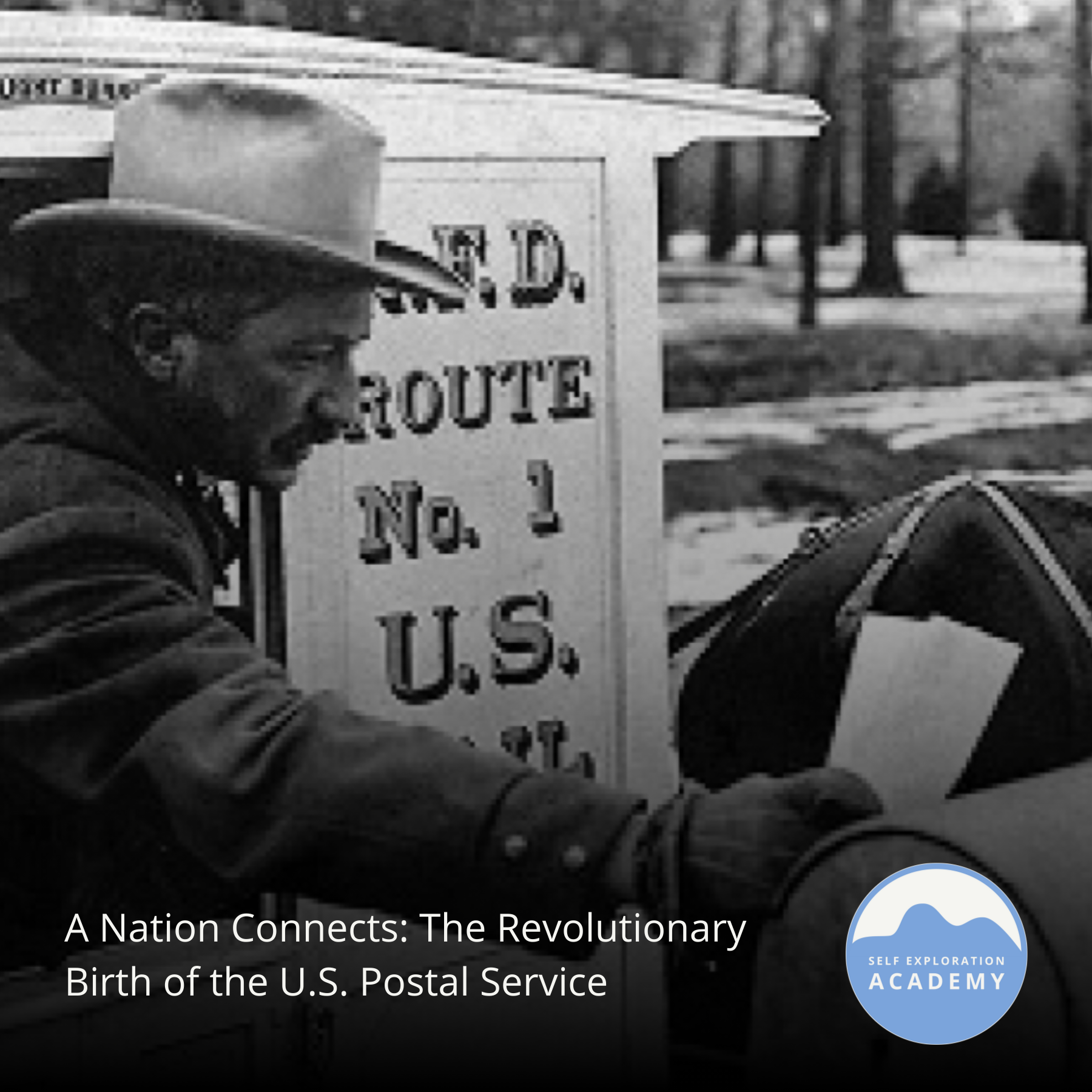
Discover how Benjamin Franklin's strategic vision for communication became the backbone of America's fight for independence.
The Moment Itself
On July 26, 1775, amidst the burgeoning turmoil of the American Revolution, a seemingly administrative act unfolded that would prove pivotal to the nascent nation's survival: the Continental Congress, meeting in Philadelphia, established the U.S. Post Office Department and appointed Benjamin Franklin as its first Postmaster General. This was not a mere bureaucratic formality but a strategic maneuver born of urgent necessity. With British forces occupying Boston and the colonies teetering on the brink of full-scale war, a unified and reliable system of communication was paramount. The existing haphazard network, often reliant on private couriers or British postal routes, was inadequate and vulnerable to disruption. What was at stake was nothing less than the coherence of the revolutionary effort itself—the ability to coordinate military movements, disseminate crucial intelligence, and foster a shared sense of purpose among thirteen disparate colonies. Franklin, a man of profound intellect and extensive experience as a former colonial deputy postmaster general under British rule, possessed the unique understanding and respect necessary to forge this vital link. His appointment signaled the Congress’s intent to build independent institutions capable of sustaining a protracted struggle for freedom.
The Emotional Landscape
The emotional landscape of 1775 was a volatile mix of hope, desperation, and simmering anger. For patriots, the establishment of an American-controlled postal system would have been a beacon of hope, a tangible sign of self-governance taking root amidst chaos. The riders, often risking their lives traversing dangerous routes, became symbols of resilience, embodying the unwavering commitment to a cause larger than themselves. There would have been a collective sigh of relief among leaders receiving critical dispatches, a sense of unity forged through the exchange of letters, pamphlets, and news. Yet, beneath this nascent optimism lay the pervasive fear of discovery, betrayal, and the harsh realities of war. Every letter carried potential danger, every message a risk. The ability to communicate securely, to share both successes and sorrows, was a vital emotional lifeline for a people bound by a shared destiny yet physically separated by vast distances.
A Lesson in Social Emotional Learning
The founding of the U.S. Postal Service provides a profound lesson in Responsible Decision-Making. Faced with existential threats and an urgent need for cohesion, the Continental Congress did not merely react; it deliberately assessed the critical requirement for communication infrastructure and took decisive action to create it. This was a collective exercise in responsible decision-making, where leaders recognized a fundamental need, weighed the strategic implications of unreliable communication, and proactively designed a solution. They chose Franklin, not merely for his administrative acumen, but for his deep understanding of the colonies’ needs and his proven track record. The decision reflected a clear-eyed evaluation of resources, risks, and desired outcomes, demonstrating how foresight and proactive planning, even under immense pressure, can lay the foundation for enduring success. This moment speaks to us today about the enduring power of effective communication and the vital role of sound, collective decision-making in navigating crises and building resilient societies.
Latest Posts













Discover SEA’s 95 Universal Core Competencies—a research-informed, human-centered framework for building the life skills that actually matter. Organized in nine domains, this guide explores what it means to be truly capable.