

WELCOME TO
The Academic Blog
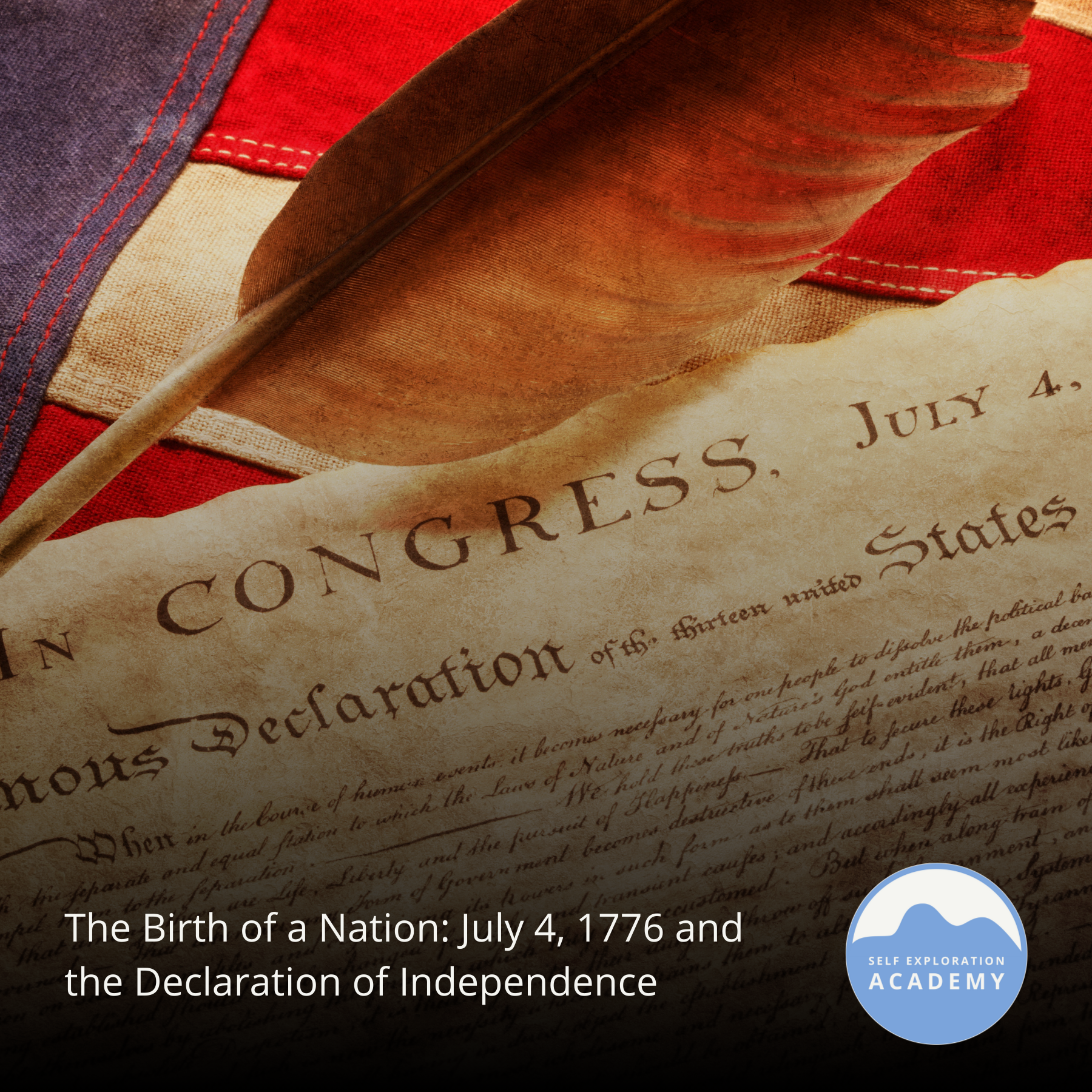
The Birth of a Nation: July 4, 1776 and the Declaration of Independence
Go beyond the fireworks of July 4th. Discover the raw courage, fear, and profound decisions of 1776 that forged a nation. Explore the emotional journey behind America's Declaration of Independence.
Explore the courage, fear, and profound decisions that forged the United States, and discover lasting lessons in human resilience.
The Moment Itself
On July 4, 1776, in the sweltering heat of Philadelphia, a revolutionary act was formalized. For over a year, the Second Continental Congress had debated the fate of the American colonies, which had been chafing under British rule. Decades of escalating tensions, marked by economic exploitation, punitive legislation like the Stamp Act and the Intolerable Acts, and the burgeoning philosophical currents of the Enlightenment advocating for natural rights and self-governance, had pushed the colonies to the brink. The armed conflicts at Lexington and Concord, followed by Bunker Hill, had already ignited a war, yet the colonies had not officially broken ties. Thomas Jefferson, a young Virginian lawyer and philosopher, had been tasked with drafting a document that articulated the colonies' grievances and their decision for complete separation. Influenced by John Locke and other Enlightenment thinkers, Jefferson meticulously crafted a declaration asserting the universal rights of "life, liberty, and the pursuit of happiness," and outlining a litany of King George III's abuses. The Congress, after rigorous debate and some modifications, adopted this Declaration of Independence. What was at stake was not merely a change in government, but the very existence of a new nation founded on radical principles, and for those who signed it, the immediate risk of being tried and executed for treason by the world’s most powerful empire.
The Emotional Landscape
The adoption of the Declaration was met with a complex tapestry of emotions across the nascent United States. For the delegates, particularly those who affixed their names to the document, the predominant emotions must have been a profound mixture of audacious courage and an undeniable undercurrent of fear. They were committing an act of rebellion against a formidable power, knowing full well the potential personal cost. Their families and fortunes were on the line. Among the general populace, sentiments were equally varied. Patriots felt a surge of hope, a defiant pride in casting off the shackles of tyranny, and an invigorating sense of collective identity. Yet, this hope was tempered by the palpable fear of the unknown—the specter of a long, brutal war against a superior military force, the disruption of daily life, and the potential for utter failure and harsher subjugation. For Loyalists, the Declaration represented betrayal and anarchy, likely evoking anger, confusion, and despair for the fracturing of their familiar world and allegiance to the Crown. The air was thick with uncertainty, a blend of patriotic fervor and the chilling realization of the immense sacrifices yet to be made.

A Lesson in Social Emotional Learning
The adoption of the Declaration of Independence offers a potent lesson in Responsible Decision-Making. The decision to declare independence was not impulsive; it was the culmination of years of deliberation, debate, and the careful weighing of monumental risks against deeply held principles. The delegates, representing diverse colonies, had to engage in intense relationship skills—negotiating, compromising, and building consensus—to arrive at a unified stance. Their collective self-awareness of the injustices they faced and their shared identity as Americans, distinct from Britons, fueled their resolve. This process required significant self-management, as individuals set aside personal reservations and fears for the greater collective good. The act itself was a deliberate choice to commit to a perilous path, fully understanding the dire consequences of failure, but prioritizing the long-term vision of a free and self-governing people. The moment speaks to us today about the courage required to make transformative decisions, not out of recklessness, but from a place of principled conviction and a clear understanding of the stakes involved, even when faced with overwhelming odds.
Latest Posts













The Emotional Aftermath of Gettysburg: A Turning Point in the Civil War
Step into the Battle of Gettysburg, the Civil War's dramatic turning point. Explore the pivotal decisions, raw emotions, and human resilience that defined this historic moment and its enduring lessons.
Explore the raw realities of July 3, 1863, and how this turning point in the American Civil War offers profound insights into human resilience and decision-making.
The Moment Itself
On July 3, 1863, the fields outside Gettysburg, Pennsylvania, became the crucible for the American Civil War’s most pivotal clash. For two days, Union and Confederate forces had grappled in brutal, relentless fighting. Confederate General Robert E. Lee, emboldened by past victories and believing the Union line vulnerable, made a fateful decision: a direct, frontal assault on the Union center atop Cemetery Ridge. Around 1 PM, over 12,000 Confederate infantrymen, under the command of General George Pickett and others, emerged from the tree line and began their mile-long march across open fields, under scorching summer sun, directly into the concentrated fire of Union artillery and infantry. They marched with precision, their battle flags fluttering, a defiant wave against an unyielding tide. Union artillery tore vast holes in their ranks, followed by a torrent of musket fire as they approached. Despite horrific casualties, small pockets of Confederates reached the Union line, breaching it momentarily before being overwhelmed. By late afternoon, the charge had utterly collapsed, leaving thousands of dead and wounded Confederates sprawled across the fields. The attack, a desperate gamble, had failed catastrophically, marking the high-water mark of the Confederacy and cementing a Union victory that irrevocably shifted the war's momentum.
The Emotional Landscape
The emotional landscape of Gettysburg was one of profound extremes. For the Confederate soldiers, it began with a mixture of determined resolve and grim fatalism, fueled by loyalty to their cause and commanders. As they advanced into the maelstrom, courage morphed into raw terror, then despair, as their ranks disintegrated under fire. The silence that followed the repulse was filled not with triumph for the living, but with the groans of the dying and the dazed shock of those who had survived. Grief was palpable for comrades lost, and a collective sense of crushing failure descended. On the Union side, the initial fear and tension of waiting for the charge gave way to a surge of adrenaline as they held their ground, followed by immense relief and exhaustion. Yet, even in victory, the sight of the mangled battlefield, littered with thousands of men from both sides, brought a sobering wave of sorrow and weariness. The local civilians, who had huddled in cellars listening to the cacophony of battle, emerged to a landscape transformed into an unimaginable charnel house, grappling with the trauma of bearing witness and the immense task of tending to a staggering number of wounded.
A Lesson in Social Emotional Learning
The Battle of Gettysburg provides stark insights into Responsible Decision-Making and Self-Management. General Lee's decision to order Pickett's Charge, while bold, stands as a contentious example of decision-making under extreme pressure. It suggests a potential failure in responsible decision-making, where an overreliance on past success and an underestimation of the adversary’s strength led to a gamble with catastrophic human cost. The decision prioritized a direct, decisive blow over a comprehensive assessment of tactical feasibility and the immense risks to his troops, highlighting how even seasoned leaders can miscalculate when driven by desperation or overconfidence. Conversely, the individual soldiers on both sides exemplified profound Self-Management. Facing unimaginable terror, the ability of these men to control their fear, maintain formation (for the charging Confederates), and unleash devastating firepower (for the defending Union troops) speaks to an extraordinary capacity for emotional regulation and grit in the face of imminent death. This moment reminds us that while strategic decisions shape outcomes, the personal resolve and resilience of individuals can define the texture of historical events. The enduring legacy of Gettysburg still speaks to us today, not just of a turning point in war, but of the complex interplay between leadership, human endurance, and the profound consequences of choices made in moments of crisis.
Latest Posts

A Defining Moment: The Signing of the 1964 Civil Rights Act
Explore the pivotal July 2, 1964 signing of the Civil Rights Act. Unpack the moment's raw emotions, cultural shifts, and lasting impact on American society. A truly transformative day.
Exploring the emotional, cultural, and political landscape surrounding America's landmark legislation against segregation and discrimination.
The Moment Itself
On July 2, 1964, President Lyndon B. Johnson sat at a desk in the East Room of the White House, surrounded by civil rights leaders, members of Congress, and a nation holding its breath. The pen in his hand was poised over one of the most transformative pieces of legislation in American history: the Civil Rights Act of 1964. For decades, the shadow of Jim Crow had loomed large over the American South, and indeed, pockets of discrimination permeated the entire country. Black Americans faced legal segregation in schools, public accommodations, transportation, and housing, coupled with systemic disenfranchisement and economic oppression. The movement to dismantle these injustices had gained unprecedented momentum in the preceding years, fueled by the courageous actions of ordinary citizens in lunch counter sit-ins, freedom rides, and massive demonstrations, often met with brutal violence. The assassination of President John F. Kennedy in November 1963 had cast a somber urgency over the legislative effort he had initiated, leaving his successor, Johnson—a Texan who understood the deep-seated prejudices of the South—to shepherd the contentious bill through Congress. At stake was nothing less than the promise of equality for millions and the very soul of American democracy. With a solemn stroke, Johnson signed the bill into law, officially outlawing segregation in public places and prohibiting discrimination in employment based on race, color, religion, sex, or national origin.
The Emotional Landscape
The signing evoked a profound and complex tapestry of emotions across the nation. For civil rights leaders like Dr. Martin Luther King Jr., Rosa Parks, and countless activists who had endured bombings, beatings, and arrests, the moment was a culmination of decades of struggle, offering a potent mix of exhausted relief and exhilarating triumph. There was hope—a genuine belief that the legal framework for a more just society had finally been laid. Yet, underneath the jubilation, there was also a pervasive understanding that a law on paper did not instantly eradicate ingrained prejudice and systemic injustice; the fight for true equality, particularly voting rights and economic justice, was far from over. Conversely, for many white Americans, particularly in the South, the Act was met with deep resentment, anger, and a sense of betrayal. It challenged long-held social hierarchies and traditions, fueling fear of change and a perceived loss of power and identity. The national mood was one of stark division, a palpable tension between the forces of progress and the entrenched resistance to it, all underscored by the raw courage of those who marched and the profound grief over lives lost in the struggle for dignity.
A Lesson in Social Emotional Learning
The passage of the Civil Rights Act of 1964 offers profound insights into Social Awareness and Responsible Decision-Making. The entire Civil Rights Movement exemplified profound social awareness: the collective ability to understand and empathize with the experiences, perspectives, and needs of diverse individuals and groups—specifically, the systemic oppression faced by Black Americans. Leaders and participants cultivated this awareness not only within their own communities but also sought to awaken it in the broader American public through non-violent protests, powerful oratory, and persistent activism that laid bare the brutal realities of segregation. This heightened social awareness then fueled Responsible Decision-Making. President Johnson’s decision to prioritize the passage of the Act, despite significant political risk and the potential for a backlash from his own party, demonstrated a commitment to moral principles and the long-term well-being of the nation over short-term political expediency. Similarly, the movement’s consistent adherence to non-violence, even in the face of extreme provocation, was a testament to responsible decision-making, choosing a path that maximized moral authority and minimized destructive conflict. This historic moment continues to speak to us today, reminding us that societal progress demands both a deep empathetic understanding of others' struggles and the courageous, responsible choices required to dismantle injustice and build a more equitable world.
Latest Posts

The Birth of a Nation: Canada's Confederation
Uncover the drama, emotions, and shrewd negotiations behind Canada's birth on July 1, 1867. Dive into the human story of how a nation was forged through complex relationship skills.
Unpack the political maneuvering, cultural anxieties, and shared vision that led to the creation of the Dominion of Canada, revealing insights into relationship-building and national identity.
The Moment Itself
On July 1, 1867, a new nation was born without a shot fired. The British North America Act, passed by the British Parliament, brought together the Province of Canada (divided into Ontario and Quebec), New Brunswick, and Nova Scotia into the Dominion of Canada. This act, driven by a confluence of internal and external pressures, was the culmination of years of political maneuvering, fraught negotiations, and a profound vision shared by a diverse group of "Fathers of Confederation." At stake was the very survival and future of British North America. Economically, the colonies faced the loss of preferential trade with Britain and needed a larger internal market. Politically, a recurring deadlock in the Province of Canada, fueled by linguistic and religious divisions, rendered governance nearly impossible. Militarily, the looming threat of American expansionism, amplified by the recently concluded U.S. Civil War and a wave of Fenian raids across the border, made a stronger, united front imperative. Figures like John A. Macdonald, a shrewd pragmatist from Ontario, and George-Étienne Cartier, the voice of French-Canadian interests in Quebec, navigated treacherous waters of regional self-interest, cultural anxieties, and deeply entrenched political rivalries to forge a compromise that was, by many accounts, against the immediate will of significant portions of the populations in the Maritime provinces. Their decision was a calculated gamble on long-term stability and prosperity over immediate comfort.
The Emotional Landscape
The emotional landscape surrounding Confederation was a complex tapestry of hope, fear, and profound uncertainty. For many of the politicians and nation-builders, there was an undeniable sense of purpose and exhilaration at the prospect of forging a new, self-governing entity. They envisioned a vast dominion spanning the continent, securing their British heritage while asserting a distinct identity. However, this optimism was far from universal. In Nova Scotia, for instance, a strong anti-Confederation sentiment, driven by fears of losing local autonomy and economic disadvantage, led to widespread public opposition, with some even advocating for secession from the new Dominion. Similar anxieties, though less pronounced, existed in New Brunswick. French Canadians, while seeing the guarantee of their language, religion, and civil law enshrined in the new federal structure as a safeguard, also harbored deep-seated suspicions about their place within a predominantly English-speaking federation. The common thread for many was a deep trepidation about the unknown, a fear of being absorbed and losing unique identities in a larger union. Yet, despite these tensions, there was also a pragmatic acceptance by many that a united front was the most viable path forward for security and economic survival, fostering a reluctant sense of collective destiny.
A Lesson in Social Emotional Learning
The formation of the Dominion of Canada provides a powerful lesson in Relationship Skills. The process was not about a single dominant vision, but about an intricate dance of negotiation, compromise, and the painstaking cultivation of consensus among disparate and often conflicting interests. Leaders like Macdonald and Cartier demonstrated exceptional ability to listen, understand opposing viewpoints, and find common ground. They had to persuade reluctant partners, assuage deep-seated fears, and build trust across linguistic, religious, and regional divides. The compromises made—such as guaranteeing Quebec's distinct legal and educational systems, and creating a federal structure that balanced central authority with provincial autonomy—were not born of easy agreement but from persistent dialogue and a willingness to cede certain points for the greater goal. This collective effort in forging a national identity from diverse parts, often through uncomfortable concessions, highlights the profound importance of effective communication, empathy, and collaborative problem-solving in achieving shared objectives, even amidst profound disagreement. The moment still speaks to us today as a testament to the enduring power of dialogue and compromise in building and sustaining complex societies.
Latest Posts

The UDHR and the Global Impact on Human Rights Education
Explore the UDHR's profound impact on human rights education and its enduring legacy.
How the Declaration Inspired a New Era of Learning

On December 10, 1948, the United Nations adopted the Universal Declaration of Human Rights (UDHR), a landmark document enshrining the fundamental rights and freedoms of all people. This watershed moment marked a pivotal turning point in the evolution of human rights discourse and laid the groundwork for the development of human rights education worldwide.
The UDHR's significance as a catalyst for human rights education is multifaceted. Firstly, the Declaration articulates a clear and comprehensive set of inalienable rights, providing a common language and framework for understanding and promoting human dignity. By defining rights such as the right to life, liberty, and security of person; the right to education; and the right to freedom from discrimination, the UDHR empowers individuals to claim their entitlements and challenges governments and institutions to uphold these fundamental principles.
Secondly, the UDHR's universality has been instrumental in fostering global awareness and advocacy for human rights. The Declaration affirms that these rights are inherent to all human beings, regardless of race, color, religion, sex, language, political or other opinion, national or social origin, property, birth or other status. This recognition of human rights as universal values has helped to break down barriers and foster a sense of shared humanity, encouraging individuals and organizations to work together to promote and protect these rights on a global scale.
Moreover, the UDHR has played a crucial role in shaping educational curricula and pedagogical approaches. Education institutions around the world have incorporated the principles and values of the Declaration into their teaching and learning programs. Human rights education has become an integral part of civic education, promoting critical thinking, empathy, and a commitment to social justice. By equipping individuals with knowledge and skills to understand and defend human rights, education empowers them to become active citizens and agents of change.
The UDHR's influence on human rights education has extended beyond formal educational settings. It has inspired the development of a wide range of educational initiatives, including human rights training programs for professionals in various fields, public awareness campaigns, and community-based education projects. These efforts have helped to raise awareness of human rights issues, foster respect for diversity, and build a culture of human rights.
In conclusion, the adoption of the Universal Declaration of Human Rights in 1948 marked a turning point in the history of human rights. By providing a clear and comprehensive framework for understanding and promoting fundamental rights and freedoms, the UDHR has catalyzed the development of human rights education on a global scale. Through its universality, its educational impact, and its role in shaping public discourse, the UDHR continues to inspire and guide efforts to create a more just and equitable world for all.
Featured Courses


The Case for Social Emotional Learning.
The Universal Declaration of Human Rights (UDHR), as discussed in the provided article, serves as a powerful foundation for social emotional learning (SEL) in online programs like "Identity, Expression, and Desire" at Self Exploration Academy. Here's how:
Emphasizing Human Rights: The UDHR underscores the inherent dignity and worth of all individuals. This aligns with SEL's focus on fostering empathy, understanding, and respect for others. Online programs can create safe spaces where participants feel valued and can explore their identities without judgment.
Promoting Self-Awareness: The UDHR's recognition of fundamental rights like the right to life, liberty, and security of person encourages self-awareness and self-worth. SEL programs can help participants develop a positive sense of self, understand their emotions, and build resilience.
Fostering Social Skills: The UDHR's emphasis on freedom from discrimination and the right to education promotes social skills and interpersonal relationships. Online programs can provide opportunities for participants to interact with peers, develop communication skills, and learn to resolve conflicts peacefully.
Encouraging Critical Thinking: The UDHR challenges individuals to question unjust practices and advocate for change. SEL programs can cultivate critical thinking skills, enabling participants to analyze social issues, evaluate information, and make informed decisions.
Building a Sense of Community: The UDHR's universal principles can create a sense of belonging and connection among individuals from diverse backgrounds. Online programs can foster a supportive community where participants feel safe to express themselves and learn from each other.
In essence, the UDHR provides a framework for creating inclusive and empowering online learning environments that prioritize social emotional learning. Programs like "Identity, Expression, and Desire" can leverage these principles to help participants develop the skills and knowledge they need to thrive personally and contribute to a more just and equitable world.


The Founding Fathers and Social-Emotional Learning.
Discover how the U.S. Constitution isn't just a historical document; it's a guide to building character and citizenship.
Lessons in Leadership, Collaboration, and Compromise
The Founding Fathers.
he signing of the United States Constitution on September 17, 1787, marked a pivotal moment in American history. This document, the result of months of deliberation by delegates from across the thirteen states, established the framework for a new republic and laid the groundwork for the enduring principles that continue to shape the nation today.
The road to the Constitution was not without its challenges. The Continental Congress, faced with the daunting task of uniting a disparate group of colonies under a single government, had struggled to create a viable system. The Articles of Confederation, adopted in 1781, proved to be too weak to effectively govern the nation. Recognizing the need for a stronger central government, delegates from the states convened in Philadelphia in May 1787 to revise the Articles. However, the convention quickly abandoned the revisionist approach and embarked on the creation of an entirely new constitution.
The Constitutional Convention was a heated affair, marked by intense debate and compromise. Delegates from large and small states clashed over representation in Congress, with the Connecticut Compromise ultimately resolving the issue by creating a bicameral legislature. The question of slavery also proved to be a contentious topic, with delegates from Southern states insisting on the protection of their "peculiar institution." The Three-Fifths Compromise, which counted slaves as three-fifths of a person for purposes of representation, temporarily defused the crisis but would later return to haunt the nation.
Despite the challenges, the delegates ultimately succeeded in crafting a constitution that balanced the competing interests of the states and established a framework for a stable and effective government. The document divided the government into three branches—the legislative, executive, and judicial—and instituted a system of checks and balances to prevent any one branch from becoming too powerful. It also established a federal system, dividing power between the national government and the states.
The signing of the Constitution was not the end of the story. The document still needed to be ratified by the states. This process was far from straightforward, with opponents of the Constitution, known as Anti-Federalists, raising concerns about the concentration of power in the national government and the lack of protection for individual rights. In response, Federalists, supporters of the Constitution, promised to add a bill of rights to the document.
After a series of heated debates, the Constitution was ratified by nine states in 1788, paving the way for its implementation. The Bill of Rights, which included ten amendments protecting fundamental freedoms such as speech, religion, and the right to bear arms, was added to the Constitution in 1791.
The signing of the United States Constitution was a watershed moment in American history. It established a framework for government that has endured for over two centuries and continues to shape the nation's political and legal landscape. The debates and compromises that led to the Constitution's creation have also had a profound impact on discussions about constitutional law and civic education. The document's principles and values continue to be studied and debated by scholars, policymakers, and citizens alike, ensuring that the legacy of the Constitutional Convention will live on for generations to come.
Featured Courses
The Case for Social Emotional Learning
The story of the U.S. Constitution provides a rich and compelling example of the importance of social-emotional learning, particularly in the context of online programs like "Identity, Expression, and Desire" at Self Exploration Academy.
Collaborative Decision-Making: The Constitutional Convention was a process of compromise and consensus-building. Delegates from diverse backgrounds and with varying interests had to work together to create a document that would unite the nation. This experience highlights the importance of effective communication, empathy, and conflict resolution skills, all of which are essential for successful social-emotional learning.
Balancing Individual Rights and the Common Good: The Constitution's balance between individual rights and the common good is a fundamental principle of American democracy. This principle is reflected in the Bill of Rights, which protects individual freedoms while also recognizing the need for a functioning government. By studying the Constitution, students can learn about the importance of considering the needs of others while also advocating for their own rights.
Civic Engagement and Responsibility: The Constitution establishes a framework for civic engagement and participation. It empowers citizens to vote, hold their elected officials accountable, and contribute to the democratic process. By understanding the principles of the Constitution, students can develop a sense of civic responsibility and a commitment to active citizenship.
Critical Thinking and Analysis: The Constitution is a complex and nuanced document that requires careful study and analysis. By examining the text and historical context of the Constitution, students can develop critical thinking skills, including the ability to evaluate arguments, identify biases, and draw informed conclusions.
Historical Perspective: The Constitution is a product of its time and place. By studying the historical context of the Constitution, students can gain a deeper understanding of the challenges and opportunities faced by the Founding Fathers. This can help students appreciate the importance of historical perspective and the need to consider the impact of past events on the present.
In conclusion, the story of the U.S. Constitution provides a powerful example of the importance of social-emotional learning in online programs like "Identity, Expression, and Desire." By studying the Constitution, students can develop essential skills such as communication, empathy, critical thinking, and civic engagement, which are essential for success in both personal and professional life.

Social Emotional Learning in the Face of Disaster: Insights from Katrina
Discover how the devastation of Hurricane Katrina led to a renewed focus on social emotional learning and its crucial role in building resilience.
A Deeper Dive into the Impact of Katrina on Education
Hurricane Katrina.
Hurricane Katrina devastated the Gulf Coast on August 29, 2005, leaving a trail of destruction and claiming over 1,800 lives. The storm's catastrophic impact was exacerbated by a series of failures in levee systems, leading to widespread flooding in New Orleans and surrounding areas. The city was crippled, with 80% of its infrastructure damaged or destroyed, and hundreds of thousands of residents were displaced.
The aftermath of Katrina exposed deep-seated vulnerabilities in disaster preparedness and response systems. The slow and inadequate response from federal, state, and local authorities sparked widespread criticism and outrage. Many individuals and communities felt abandoned, left to fend for themselves in the face of overwhelming devastation.
The tragedy of Katrina also highlighted the critical role of education in disaster preparedness. Schools were not only damaged but also transformed into shelters, providing essential services to displaced families. Educators and school staff played a pivotal role in supporting their students and communities during and after the storm.
In the wake of Katrina, discussions on disaster preparedness and response in educational settings intensified. Educators began to recognize the need to integrate disaster education into their curricula, teaching students about risk assessment, evacuation procedures, and emergency response strategies. Schools also invested in improving their emergency preparedness plans, ensuring that they had adequate supplies, communication systems, and evacuation routes in place.
Furthermore, Katrina underscored the importance of collaboration between schools, communities, and emergency management agencies. Partnerships were formed to develop comprehensive disaster preparedness plans that addressed the specific needs of each community. Schools became community hubs for disaster education and response, providing resources and support to families and individuals affected by emergencies.
The tragedy of Hurricane Katrina served as a powerful reminder of the devastating consequences of natural disasters and the critical importance of preparedness and response. It prompted a renewed focus on disaster education in schools, fostering a culture of resilience and community engagement. By equipping students with the knowledge and skills to navigate emergencies, schools can play a vital role in protecting their communities and building a more resilient society.
Featured Courses
The Case for Social Emotional Learning
The Katrina experience offers a compelling case for social emotional learning (SEL) in online programs like "Identity, Expression, and Desire."
Here's how:
Resilience and Coping Mechanisms: The storm's devastation required survivors to develop strong coping mechanisms and resilience. SEL programs can equip individuals with tools to manage stress, anxiety, and trauma, fostering emotional well-being in the face of adversity.
Empathy and Community Building: The Katrina disaster highlighted the importance of empathy and community support. SEL programs can cultivate empathy, understanding, and a sense of belonging, fostering supportive relationships and a strong sense of community.
Decision-Making and Problem-Solving: The crisis demanded critical thinking, decision-making, and problem-solving skills. SEL programs can teach individuals these skills, enabling them to navigate challenges and make informed choices.
Self-Awareness and Identity: The storm forced many to re-evaluate their identities and priorities. SEL programs can help individuals develop self-awareness, understand their values, and build a strong sense of self.
Adaptability and Flexibility: The rapid changes brought about by the disaster required adaptability and flexibility. SEL programs can foster these qualities, enabling individuals to thrive in uncertain environments.
In essence, the Katrina experience demonstrates the value of SEL in helping individuals develop the emotional, social, and cognitive skills necessary to navigate challenges, build resilience, and create a better future. Online programs like "Identity, Expression, and Desire" can provide a valuable platform for cultivating these skills and supporting individuals in their personal growth and development.

"I Have a Dream": The Impact of the March on Washington
Learn about the powerful "I Have a Dream" speech and its lasting impact on civil rights.
A Commemoration of a Historic Event
The March on Washington
The March on Washington for Jobs and Freedom was a pivotal moment in the American Civil Rights Movement. It was a culmination of years of grassroots activism and growing momentum for racial equality. The march was organized by a coalition of civil rights organizations, including the March on Washington Committee, led by A. Philip Randolph. The committee aimed to draw attention to the ongoing discrimination faced by African Americans in employment, housing, education, and voting rights.
On August 28, 1963, an estimated 250,000 people gathered on the National Mall in Washington, D.C. The march was a diverse assembly, with participants from all walks of life. The event featured speeches from prominent civil rights leaders, including Roy Wilkins, James Farmer, and John Lewis. However, it was Dr. Martin Luther King Jr.'s powerful address that captured the nation's attention and became an iconic moment in American history.
In his "I Have a Dream" speech, King eloquently articulated the dream of a society free from racial segregation and discrimination. He called for an end to the injustices faced by African Americans and urged the nation to live up to the ideals of its founding documents. The speech resonated with the crowd and millions of Americans who watched it on television. It helped to galvanize public support for the Civil Rights Movement and put pressure on policymakers to address racial inequality.
The March on Washington and King's speech had a profound impact on discussions on civil rights and equality in education. The event highlighted the urgent need to dismantle the system of segregation that existed in schools across the South. It inspired renewed calls for integration and equal educational opportunities for all children. In the years following the march, the Civil Rights Act of 1964 was passed, which outlawed segregation in public schools and other public accommodations. This landmark legislation marked a significant step forward in the struggle for racial equality.
However, it is important to note that the March on Washington did not mark the end of the fight for civil rights. Despite the progress made in the 1960s, racial disparities in education persisted. The legacy of segregation and discrimination continued to have a lasting impact on the educational opportunities of African American students. Today, the fight for educational equity continues, as advocates work to address the achievement gap and ensure that all students have access to a quality education.
Ultimately, the March on Washington for Jobs and Freedom was a watershed moment in the American Civil Rights Movement. It brought together a diverse coalition of people who were united in their demand for racial equality. Dr. Martin Luther King Jr.'s "I Have a Dream" speech was a powerful call to action that inspired millions of Americans. The march and the speech had a profound impact on discussions on civil rights and equality in education, helping to pave the way for the passage of landmark legislation like the Civil Rights Act of 1964. While significant progress has been made, the struggle for educational equity continues, as advocates work to ensure that all students have access to a quality education.
Featured Courses
The Case for Social Emotional Learning
The story of the March on Washington for Jobs and Freedom offers valuable insights into the importance of social emotional learning (SEL) in online programs like "Identity, Expression, and Desire" at Self Exploration Academy. While the march was a physical event, its underlying themes of community, empathy, and advocacy are essential components of effective SEL programs.
Here are some ways in which the story supports the case for SEL in online programs:
Community and Belonging: The March on Washington was a powerful demonstration of collective action and solidarity. It brought together people from diverse backgrounds who were united in their pursuit of racial equality. Similarly, SEL programs can foster a sense of community and belonging among participants, even in online environments. By providing opportunities for connection, collaboration, and shared experiences, these programs can help individuals feel supported and empowered.
Empathy and Understanding: The "I Have a Dream" speech was a powerful expression of empathy and understanding. Dr. King's ability to connect with his audience and articulate their shared aspirations was a key factor in the speech's success. SEL programs can help individuals develop empathy and understanding by teaching them to recognize and appreciate the perspectives of others. This can be particularly important in online environments, where it can be easy to lose sight of the human element.
Advocacy and Social Justice: The March on Washington was a powerful act of advocacy for social justice. Participants were demanding an end to racial discrimination and segregation. SEL programs can help individuals develop the skills and knowledge needed to be effective advocates for themselves and others. By teaching them about social justice issues and providing opportunities for civic engagement, these programs can empower individuals to make a positive difference in their communities.
Identity and Self-Expression: The March on Washington was a celebration of identity and self-expression. Participants were proud to be part of the African American community and were willing to stand up for their rights. SEL programs can help individuals explore their own identities and develop healthy ways to express themselves. This can be particularly important for young people who may be struggling to find their place in the world.
In conclusion, the story of the March on Washington for Jobs and Freedom offers valuable lessons about the importance of social emotional learning. By fostering community, empathy, advocacy, and identity development, SEL programs can help individuals thrive in online environments and make a positive impact on the world.

The Emotional Intelligence of a Military Genius: Napoleon Bonaparte
Discover the surprising emotional intelligence behind Napoleon's military conquests.
Napoleon Bonaparte: A Case Study in Leadership and Personal Growth
Napoleon Bonaparte.
Napoleon Bonaparte, born on August 15, 1769, in Ajaccio, Corsica, rose from humble origins to become one of the most influential figures in European history. His meteoric rise to power and subsequent reign as Emperor of France had a profound impact on military education and European history as a whole.
Bonaparte's early life was marked by his passion for military affairs. He attended the Royal Military School in Brienne-le-Château, where he excelled in mathematics and history. His strategic thinking and tactical brilliance were evident even at this young age. The French Revolution provided Bonaparte with an opportunity to rise through the ranks of the army. His military victories, particularly at Toulon and the Battle of Lodi, brought him to the attention of the revolutionary leaders.
In 1799, Bonaparte staged a coup d'état, overthrowing the Directory and establishing himself as the First Consul of France. He consolidated his power and embarked on a series of military campaigns that expanded the French Empire across Europe. His victories at Marengo and Austerlitz cemented his reputation as a military genius.
Napoleon's impact on military education was significant. He recognized the importance of a well-trained and disciplined army and implemented reforms to modernize the French military. He established the École Polytechnique, a prestigious institution for engineering and military education, which produced many talented officers. Bonaparte's emphasis on meritocracy and professionalization of the military had a lasting influence on military education across Europe.
Napoleon's Napoleonic Code, a comprehensive legal system that codified French law, also had a profound impact on European history. This legal code was adopted by many countries across Europe and influenced the development of modern legal systems.
However, Napoleon's ambitions ultimately led to his downfall. His invasion of Russia in 1812 proved to be a disastrous mistake, resulting in the loss of much of his army. The subsequent Battle of Leipzig and the Treaty of Fontainebleau forced Napoleon to abdicate the throne. He was exiled to the island of Elba.
Napoleon's return from Elba in 1815, known as the Hundred Days, was a brief but dramatic episode in European history. He was defeated at the Battle of Waterloo and exiled to the remote island of Saint Helena, where he died in 1821.
Napoleon Bonaparte's legacy is complex and multifaceted. His military conquests and political reforms had a profound impact on European history. He revolutionized military education and left a lasting mark on the development of modern legal systems. While his ambitions ultimately led to his downfall, his influence on European history is undeniable.
Featured Courses
The Case for Social Emotional Learning
Napoleon Bonaparte's story, while seemingly distant from contemporary online educational programs, offers valuable insights into the importance of social-emotional learning (SEL). His journey from a humble background to a position of immense power showcases the significance of factors beyond intellectual prowess. These factors, such as emotional intelligence, interpersonal skills, and resilience, are central to SEL.
Here’s how Napoleon's story aligns with the goals of SEL programs like "Identity, Expression, and Desire":
Emotional Intelligence: Napoleon's ability to understand and manage his own emotions, as well as those of others, was crucial to his success. His charisma and ability to inspire loyalty among his troops were a direct result of his emotional intelligence. Similarly, SEL programs emphasize the development of emotional intelligence to help individuals navigate complex social situations, manage stress, and build healthy relationships.
Interpersonal Skills: Napoleon's ability to form alliances, negotiate deals, and motivate others was a testament to his strong interpersonal skills. He understood the importance of building relationships and fostering cooperation. In SEL programs, students learn essential communication, collaboration, and conflict resolution skills that are vital for success in both personal and professional life.
Resilience: Napoleon's ability to overcome adversity and bounce back from setbacks was a key factor in his rise to power. His resilience in the face of challenges demonstrated his ability to learn from mistakes and persevere. SEL programs help students develop resilience by teaching them coping mechanisms, problem-solving skills, and a positive mindset.
Identity Development: Napoleon's journey from a Corsican outsider to the Emperor of France highlights the importance of identity development. His ability to adapt to different cultural contexts and assert his leadership was influenced by his understanding of himself and his place in the world. SEL programs help students explore their own identities, develop a sense of belonging, and build self-esteem.
In conclusion, Napoleon Bonaparte's story, while historical and unique, provides valuable lessons about the importance of social-emotional learning. His success was not solely due to his military genius but also to his emotional intelligence, interpersonal skills, resilience, and identity development. These are the very skills that SEL programs aim to foster in students, equipping them with the tools they need to thrive in today's complex world.

Louis Armstrong: More Than Just a Musician
Learn how Louis Armstrong's music not only revolutionized jazz but also had a profound impact on education.
Beyond the Music: Louis Armstrong's Impact on Education.
Louis Armstrong Picture.
Louis Armstrong, born on August 4, 1901, in New Orleans, Louisiana, is a name synonymous with the vibrant and innovative music genre of jazz. His profound influence on the evolution of jazz and his charismatic personality made him one of the most iconic and beloved musicians of the 20th century.
Armstrong's early life was marked by hardship. He grew up in a poor neighborhood, and at a young age, he found himself in juvenile detention. It was during this time that he began to learn to play the cornet, an instrument that would eventually become his signature sound. Upon his release, Armstrong immersed himself in the rich musical culture of New Orleans, honing his skills and absorbing the various styles and influences that would shape his unique approach to jazz.
Armstrong's career took off in the 1920s, when he joined the Original Dixieland Jazz Band. His cornet playing was immediately recognized for its technical brilliance, emotional depth, and infectious swing. He quickly established himself as a leading figure in the emerging jazz scene, collaborating with some of the greatest musicians of the era, including Duke Ellington and Ella Fitzgerald.
Armstrong's contributions to jazz were far-reaching. He popularized scat singing, a vocal style that incorporates improvised melodies and rhythms. His innovative approach to improvisation and his ability to blend different musical styles, such as blues and ragtime, helped to expand the boundaries of jazz and solidify its place in American music.
Beyond his musical accomplishments, Armstrong was also a cultural icon. His warm and engaging personality, coupled with his infectious smile, made him a beloved figure around the world. He toured extensively, bringing jazz to new audiences and breaking down racial barriers in the process.
Armstrong's legacy extends beyond his music. He was a mentor to countless young musicians, inspiring them to pursue their dreams and embrace the power of creativity. His story serves as a testament to the transformative power of music and the importance of education in unlocking human potential.
While Armstrong primarily focused on performing and recording, his music and persona have had a profound impact on education. His compositions and recordings are widely studied and analyzed in music classrooms, providing valuable insights into the history and development of jazz. Moreover, Armstrong's life story serves as an inspiring example of overcoming adversity and achieving success through hard work and dedication.
In conclusion, Louis Armstrong was a pioneering figure in jazz music whose influence continues to be felt today. His innovative approach to improvisation, his charismatic personality, and his commitment to breaking down racial barriers made him a cultural icon and a role model for generations to come. Armstrong's music and legacy continue to enrich the educational landscape, inspiring students to explore the power of creativity and the transformative potential of the arts.
Featured Courses
The Case for Social Emotional Learning
Louis Armstrong's story provides a compelling case for social emotional learning (SEL) in online programs like "Identity, Expression, and Desire" at Self Exploration Academy.
Here's how:
Overcoming Adversity: Armstrong's journey from a challenging childhood to international stardom showcases the importance of resilience and perseverance. These are crucial SEL skills that can help students navigate online learning environments and overcome obstacles.
Cultural Understanding: His ability to blend different musical styles and connect with diverse audiences demonstrates the value of cultural awareness and empathy. These are essential for fostering inclusive and respectful online communities.
Self-Expression: Armstrong's music served as a powerful outlet for self-expression and creativity. Online programs like "Identity, Expression, and Desire" can provide a safe and supportive space for students to explore their own identities and express themselves creatively.
Building Relationships: Armstrong's collaborations with other musicians and his ability to connect with audiences highlight the importance of interpersonal skills and relationship-building. These are essential for successful online interactions and collaboration.
Mentorship and Inspiration: Armstrong's role as a mentor to younger musicians underscores the value of fostering a sense of community and support. Online programs can create opportunities for students to connect with peers and mentors, building a sense of belonging and motivation.
In essence, Louis Armstrong's life and career demonstrate the power of SEL skills to overcome challenges, build relationships, and achieve personal and professional success. By incorporating SEL into online programs like "Identity, Expression, and Desire," Self Exploration Academy can provide students with the tools they need to thrive in a digital age and develop into well-rounded individuals.
Related Posts

Breaking Down Barriers: The ADA and Its Impact on Education.
Learn about the ADA's key provisions and how they impact schools, students, and educators.
Understanding the ADA's Impact on Special Education and Beyond.
The Americans with Disabilities Act (ADA) was a landmark piece of legislation in the United States that aimed to create equal opportunities for individuals with disabilities. The path to the ADA was paved by decades of activism and advocacy by disability rights groups.
Key Events and Influences:
Disability Rights Movement: The civil rights movement of the 1960s inspired individuals with disabilities to organize and demand equal rights. Groups like the Disability Rights Education and Defense Fund (DREDF) played a crucial role in raising awareness and advocating for legislation.
Section 504 of the Rehabilitation Act of 1973: This law was a precursor to the ADA. It prohibited discrimination on the basis of disability in programs that receive federal funding, including education. Section 504 helped to establish the principle of equal access for individuals with disabilities.
Accessibility and Inclusion: As society became more aware of the needs of people with disabilities, there was a growing demand for accessible buildings, transportation, and communication. The ADA addressed these issues by requiring that public accommodations, including schools, be accessible to individuals with disabilities.
How the ADA Promoted Equal Opportunities in Education
The ADA had a significant impact on education by:
Mandating Accessibility: The ADA required schools to provide reasonable accommodations to ensure that students with disabilities have equal access to education. This included providing assistive technology, modifying curriculum, and offering alternative assessments.
Prohibiting Discrimination: The ADA prohibited discrimination on the basis of disability in all aspects of education, including admissions, testing, and extracurricular activities. This helped to ensure that students with disabilities were not denied opportunities because of their impairments.
Enhancing Inclusion: The ADA promoted a more inclusive educational environment by encouraging schools to adopt practices that supported the full participation of students with disabilities. This included providing individualized education programs (IEPs) and fostering a positive and supportive learning atmosphere.
Improving Accessibility in Higher Education: The ADA also extended protections to individuals with disabilities in higher education. This helped to increase access to college and vocational training programs for students with disabilities.
The ADA was a major step forward in creating a more inclusive and equitable society for individuals with disabilities. By addressing issues of accessibility, discrimination, and inclusion, the ADA has had a lasting impact on education and the lives of countless people.
Featured Courses
The Case for Social Emotional Learning
The Americans with Disabilities Act (ADA) provides a strong foundation for the integration of social emotional learning (SEL) into online programs like "Identity, Expression, and Desire" at Self Exploration Academy. Here's how:
1. Accessibility and Inclusion:
Equal Access: The ADA mandates that individuals with disabilities have equal access to all aspects of education. This includes online programs. SEL can help students with disabilities feel more included and supported in online learning environments.
Reasonable Accommodations: The ADA requires schools to provide reasonable accommodations to ensure equal access. SEL can be a valuable tool in identifying and addressing the social and emotional needs of students with disabilities.
2. Positive School Climate:
Inclusive Culture: SEL programs can foster a more inclusive and positive school climate, which is essential for the success of all students, including those with disabilities.
Prevention of Bullying: SEL can help to prevent bullying and discrimination, which can significantly impact the social and emotional well-being of students with disabilities.
3. Individualized Education Programs (IEPs):
Social and Emotional Goals: SEL can be integrated into IEPs to address the social and emotional needs of students with disabilities. SEL skills can help students develop self-awareness, self-management, social awareness, responsible decision-making, and relationship skills.
Personalized Support: SEL can provide personalized support to students with disabilities, helping them to overcome challenges and develop resilience.
4. Mental Health Support:
Early Intervention: SEL can help to identify and address mental health concerns early on, which is particularly important for students with disabilities who may be at higher risk for mental health challenges.
Coping Skills: SEL can teach students valuable coping skills and strategies for managing stress and anxiety, which can be beneficial for students with disabilities.
In conclusion, the ADA provides a strong foundation for the integration of SEL into online programs like "Identity, Expression, and Desire." By promoting accessibility, inclusion, and positive school climates, SEL can help to ensure that all students, including those with disabilities, have the opportunity to thrive in online learning environments.
Related Posts

More Than Just a Moon Landing: Apollo 11's Influence on Social Emotional Learning
From the moon to the classroom: Explore the surprising connections between space exploration and social emotional learning.
From the Moon to the Classroom: A New Perspective on SEL
The Apollo 11 mission had a profound impact on discussions on space exploration and science education, inspiring a new generation of scientists, engineers, and explorers. Here are some key ways it influenced these areas:
Increased public interest and support:
Media coverage: The mission was extensively covered by media outlets worldwide, capturing the imagination of millions and sparking a renewed interest in space exploration.
National pride: The successful landing was a major source of national pride for the United States, inspiring a sense of optimism and possibility.
Public support: The mission increased public support for space exploration programs, leading to increased funding and investment in future missions.
Advancements in technology and science:
Technological innovations: The Apollo program led to significant advancements in technology, such as rocket propulsion, life support systems, and communication systems. These innovations had a lasting impact on many other industries, including medicine, transportation, and communications.
Scientific discoveries: The mission provided valuable scientific data about the moon, including its composition, geology, and atmosphere. These discoveries contributed to a better understanding of the solar system and the formation of the Earth.
Impact on education:
Increased interest in STEM fields: The mission inspired many young people to pursue careers in science, technology, engineering, and mathematics (STEM). This led to a significant increase in enrollment in STEM programs at schools and universities.
New curriculum and teaching methods: The Apollo program led to the development of new curriculum and teaching methods that focused on space exploration and science. These materials helped to make science more engaging and accessible to students of all ages.
International cooperation:
Global collaboration: The Apollo program demonstrated the importance of international cooperation in space exploration. The success of the mission helped to foster a sense of global unity and inspired future collaborations between nations.
Overall, the Apollo 11 mission had a lasting impact on discussions on space exploration and science education. It inspired a new generation of scientists and engineers, fueled advancements in technology and science, and fostered a sense of global unity. The legacy of Apollo 11 continues to inspire and mot
Featured Courses
The Case for Social Emotional Learning
The Apollo 11 mission, while not directly related to social emotional learning (SEL), provides several valuable lessons that can be applied to online programs like "Identity, Expression, and Desire" at Self Exploration Academy. Here are some ways the story supports the case for SEL in online programs:
1. The Importance of Collaboration and Teamwork:
The Apollo 11 mission was a massive undertaking that required the collaboration of thousands of individuals from various fields. This demonstrates the importance of teamwork and cooperation in achieving complex goals.
In online programs like "Identity, Expression, and Desire," participants can benefit from opportunities to collaborate with their peers and learn from each other's experiences. This can foster a sense of community and belonging, which are essential for social emotional well-being.
2. The Value of Perseverance and Resilience:
The Apollo program faced numerous challenges and setbacks, but the team persevered and ultimately achieved their goal. This demonstrates the importance of perseverance and resilience in overcoming obstacles.
Online programs can provide participants with opportunities to develop these qualities by encouraging them to set goals, overcome challenges, and learn from their mistakes. This can help participants build self-confidence and resilience, which are essential for social emotional well-being.
3. The Power of Inspiration and Motivation:
The Apollo 11 mission inspired millions of people around the world and sparked a new era of space exploration. This demonstrates the power of inspiration and motivation to drive positive change.
Online programs can create a supportive and inspiring environment that encourages participants to explore their own identities, express themselves authentically, and pursue their goals. This can help participants feel motivated and empowered to make positive changes in their lives.
4. The Importance of Curiosity and Exploration:
The Apollo program was driven by a spirit of curiosity and exploration, which led to significant scientific discoveries. This demonstrates the importance of curiosity and exploration in personal and professional growth.
Online programs can foster a sense of curiosity and exploration by providing participants with opportunities to learn new things, experiment with different ideas, and discover their own passions. This can help participants develop a growth mindset and a lifelong love of learning.
In conclusion, while the Apollo 11 mission may not be directly related to social emotional learning, it provides valuable lessons that can be applied to online programs like "Identity, Expression, and Desire" at Self Exploration Academy. By fostering collaboration, perseverance, inspiration, and curiosity, these programs can help participants develop essential social emotional skills that will benefit them throughout their lives.
Related Posts

The Birth of the NHS
Discover the inspiring journey of the NHS, from its humble beginnings to its global impact.
From Concept to Reality

The establishment of the National Health Service (NHS) on July 5, 1948, was a pivotal moment in British history, marking a significant step towards universal healthcare. The NHS was the culmination of decades of political debate and social reform, driven by the belief that healthcare should be accessible to all, regardless of income or social status.
Key details surrounding the event:
The NHS Act 1946: The NHS was established through the National Health Service Act, passed by the Labour government in 1946. This act outlined the principles and structure of the new healthcare system, which would be funded through taxation.
Aneurin Bevan: The Minister of Health at the time, Aneurin Bevan, was a key figure in the creation of the NHS. He championed the idea of universal healthcare and played a crucial role in securing its passage through Parliament.
Three core principles: The NHS was founded on three core principles:
That it meets the needs of everyone
That it is free at the point of delivery
That it is based on clinical need, not the ability to pay
Initial challenges: Despite the enthusiasm for the NHS, it faced significant challenges in its early years. There was a shortage of doctors and nurses, and the infrastructure needed to support the new system was inadequate.
Public support: Despite these challenges, the NHS quickly gained public support. People appreciated the fact that they could now access healthcare without having to pay out-of-pocket costs.
Influence on healthcare education:
The establishment of the NHS had a profound impact on healthcare education in the United Kingdom. It led to a significant increase in the demand for healthcare professionals, which in turn spurred the expansion of medical and nursing schools. The NHS also played a key role in developing new educational programs and training methods to equip healthcare professionals to meet the needs of a growing population.
In addition, the NHS's emphasis on equity and access to care influenced discussions on healthcare education around the world. It served as a model for other countries that were considering implementing universal healthcare systems. The NHS's success in providing affordable and accessible healthcare to a large population demonstrated that it was possible to achieve this goal through government intervention and investment in education and training.
Featured Courses
Legacy:
The NHS continues to be a cornerstone of the British healthcare system. It has faced numerous challenges over the years, but it has also demonstrated its resilience and adaptability. The NHS's commitment to providing high-quality care to all, regardless of income or social status, remains a powerful legacy of its founding principles.
The Case for Social Emotional Learning
The establishment of the National Health Service (NHS) in the United Kingdom provides a compelling case for the importance of social emotional learning (SEL) in online programs like "Identity, Expression, and Desire" at Self Exploration Academy. Here's how:
Emphasis on accessibility and equity: The NHS was founded on the principle of providing healthcare to everyone, regardless of their ability to pay. This aligns with the goals of SEL programs, which aim to support the social and emotional development of all individuals, regardless of their background or circumstances.
Focus on holistic well-being: The NHS recognized the importance of addressing the physical and mental health needs of individuals. Similarly, SEL programs emphasize the importance of promoting the overall well-being of students, including their social, emotional, and cognitive development.
Investment in education and training: The establishment of the NHS led to a significant increase in the demand for healthcare professionals, which in turn spurred the expansion of medical and nursing schools. This demonstrates the importance of investing in education and training to support the delivery of high-quality healthcare services. In the context of SEL programs, this suggests that investing in the development of SEL curricula and training for educators is essential for ensuring the effectiveness of these programs.
Influence on global healthcare: The NHS served as a model for other countries that were considering implementing universal healthcare systems. This demonstrates the power of innovative approaches to healthcare to influence global policy and practice. Similarly, SEL programs have the potential to influence educational practices around the world, promoting the importance of social and emotional development for all students.
In conclusion, the establishment of the NHS provides a strong case for the importance of SEL in online programs like "Identity, Expression, and Desire" at Self Exploration Academy. By focusing on accessibility, equity, holistic well-being, and investment in education and training, these programs can contribute to the development of well-rounded individuals who are equipped to thrive in a complex and interconnected world.
Related Posts

From Pioneer to Founder: Benjamin Franklin's Example for Social Emotional Learning
The story of Dr. Christiaan Barnard, the pioneer of heart transplantation, provides compelling evidence for the importance of social emotional learning (SEL) in online programs. Let's delve into how Barnard's groundbreaking work aligns with SEL principles and explore the profound impact SEL can have on online learners.
How one of the Founding Fathers championed Social Emotional Learning and made a positive impact on the world.
Benjamin Franklin was one of the Founding Fathers of the United States and a polymath who made significant contributions to science and education in colonial America. Here are some of his specific achievements:
Electricity: Franklin is perhaps most famous for his groundbreaking experiments with electricity, including his famous kite experiment that helped prove lightning is electricity. He also invented the lightning rod as a way to protect buildings from being struck by lightning.
Inventions: Franklin was a prolific inventor, developing practical items that improved everyday life. Some of his most notable inventions include bifocals, which allowed people with farsightedness and nearsightedness to see clearly at both distances, and the Franklin stove, a more efficient heating system for homes.
Science: Franklin's curiosity extended beyond electricity. He studied meteorology and mapped the Gulf Stream current, a major ocean current that has a significant impact on weather patterns. He also founded the American Philosophical Society, a learned society that promoted scientific inquiry and collaboration among scholars.
Education: Believing that education was essential for a thriving society, Franklin established the Academy of Philadelphia, a precursor to the University of Pennsylvania. The Academy provided a more practical education than traditional colleges, focusing on subjects like science and engineering alongside classics and philosophy.
Franklin's work in science and education helped to lay the foundation for a more informed and innovative society in colonial America. His legacy continues to inspire scientific exploration and educational progress today.
Featured Courses
The Case for Social Emotional Learning
The story of Benjamin Franklin actually connects to social-emotional learning (SEL) in online programs in a couple of interesting ways, especially considering a program titled "Identity, Expression and Desire" at the Self Exploration Academy. Here's how:
Self-Awareness: Franklin's story highlights the importance of self-awareness, a key component of SEL. He identified his own shortcomings in social interactions and took the initiative to improve himself through his "Junto" project (a club focused on self-improvement). An online program like "Identity, Expression and Desire" could help students explore their own strengths, weaknesses, values, and goals, which is crucial for navigating the complexities of online and offline interactions.
Social Skills: While Franklin's scientific achievements are well-known, his success also hinged on his strong social skills. He developed his ability to persuade others, collaborate effectively, and navigate interpersonal conflicts. "Identity, Expression and Desire" could provide opportunities for students to develop these skills through online discussions, role-playing activities, or even simulations of online interactions.
Growth Mindset: Franklin's lifelong pursuit of learning and self-improvement exemplifies a growth mindset, another core principle of SEL. An online program like this could encourage students to view challenges as opportunities to learn and grow, which is particularly important in online environments where setbacks can be discouraging.
Identity Exploration: The program title "Identity, Expression and Desire" directly addresses core aspects of social-emotional development. By providing a safe space for students to explore these aspects of themselves online, the program could foster self-acceptance and positive self-esteem.
Overall, Benjamin Franklin's story demonstrates that intellectual pursuits go hand-in-hand with social-emotional intelligence. While online programs can deliver strong academic content, incorporating SEL aspects like those potentially covered in "Identity, Expression and Desire" can equip students with the skills they need to thrive in online learning environments and beyond.
Related Posts

Exploring SEL in the American Revolution: Unity, Empathy, and Agency.
Explore the historical connection between the American Revolution and social emotional learning in our latest blog post.
How the American Revolution Can Teach Us About SEL.
America Revolution.
The American Revolution, culminating in the adoption of the Declaration of Independence on July 4, 1776, was a pivotal moment in world history. It marked the birth of a new nation, the United States of America, based on the principles of liberty, equality, and self-government.
Causes of the American Revolution
Several factors contributed to the American Revolution:
British Colonial Policies: The British government implemented a series of restrictive policies, such as the Stamp Act, the Sugar Act, and the Tea Act, to raise revenue and control the colonies. These policies were seen as unfair taxation without representation.
Enlightenment Ideas: The Enlightenment, an intellectual movement in Europe, emphasized reason, individualism, and natural rights. These ideas influenced American colonists, who began to question the legitimacy of British rule.
Growing Colonial Nationalism: As the colonies developed their own economies and cultures, a sense of colonial nationalism grew. Colonists increasingly identified as Americans rather than as British subjects.
The Boston Tea Party: The Boston Tea Party, a protest against the Tea Act, was a turning point in the relationship between the colonies and Britain. It led to the passage of the Intolerable Acts, which further alienated the colonists.
Impact on History and Civic Education
The Declaration of Independence had a profound impact on discussions of history and civic education.
Foundation of American Democracy: The Declaration articulated the principles of liberty, equality, and self-government, which became the foundation of American democracy.
Inspiration for Revolutions: The American Revolution inspired other revolutionary movements around the world, such as the French Revolution and the Latin American wars of independence.
Influence on Political Thought: The Declaration's ideas about natural rights and popular sovereignty continued to shape political thought and debate long after its adoption.
Focus on Civic Education: The Declaration emphasized the importance of civic participation and informed citizenship. This led to a greater emphasis on history and civics education in American schools.
Today, the Declaration of Independence remains a powerful symbol of American ideals and a cornerstone of the nation's history and identity. Its legacy continues to shape discussions about democracy, human rights, and the pursuit of a more perfect union.
The Case for Social Emotional Learning
The story of the American Revolution provides a rich historical context to support the case for social emotional learning (SEL) in online programs like "Identity, Expression, and Desire" at Self Exploration Academy. While the revolution was a complex event with many factors contributing to its outcome, the underlying themes of unity, empathy, and self-determination resonate strongly with the goals of SEL programs.
Featured Courses
Key Themes and SEL Connections:
Unity and Collaboration: The American Revolution was a collective effort, requiring colonists from different backgrounds to unite against a common enemy. This theme aligns with SEL's focus on building positive relationships, fostering collaboration, and promoting teamwork.
Empathy and Understanding: The colonists' grievances against British rule were rooted in a desire for fairness and equality. This highlights the importance of empathy, perspective-taking, and understanding the experiences of others, which are essential components of SEL.
Self-Determination and Agency: The Declaration of Independence affirmed the colonists' right to self-government, emphasizing the importance of personal agency and the ability to shape one's own destiny. This theme connects to SEL's focus on self-awareness, self-management, and responsible decision-making.
How These Themes Apply to Online Programs:
Building Community: Online programs can foster a sense of community and belonging, similar to the unity that emerged among the colonists. SEL activities can help participants develop positive relationships and collaborate effectively.
Empathy and Understanding: Online interactions provide opportunities to empathize with others from diverse backgrounds and perspectives. SEL can help participants develop perspective-taking skills and understand the experiences of their peers.
Self-Exploration and Agency: Online programs can provide a safe space for individuals to explore their identities, express themselves, and develop a sense of agency. SEL can help participants develop self-awareness, self-management, and responsible decision-making skills.
By incorporating these themes and SEL principles, online programs like "Identity, Expression, and Desire" can help participants develop essential social emotional skills that will benefit them both personally and professionally.
Related Posts

Beyond Blame: How the Treaty of Versailles Shaped the World
The Treaty of Versailles: A harsh peace deal fueled resentment. Can studying history teach empathy & prevent future conflict?
Can History Lessons Teach Us to Be More Understanding?
The signing of the Treaty of Versailles on June 28, 1919, marked the official conclusion of World War I. However, the terms of the treaty proved to be highly controversial, shaping not only the aftermath of the war but also future diplomatic discussions and historical interpretations.
Details of the Treaty:
Harsh penalties on Germany: The treaty placed the blame for the war solely on Germany (the "war guilt clause") and imposed severe punishments. These included:
Territorial losses: Germany ceded land to France, Belgium, Poland, and Denmark.
Military restrictions: The German army was significantly reduced, and the navy was heavily restricted.
Reparations: Germany was forced to pay massive sums of money to compensate the Allied powers for war damages.
A Flawed Peace?: Despite aiming to prevent future wars, the treaty's punitive nature left resentment in Germany. Critics, like economist John Maynard Keynes, argued the reparations were excessive and would cripple the German economy, ultimately leading to instability.
Influences:
Diplomacy: The Treaty of Versailles highlighted the challenges of crafting a sustainable peace after a devastating war. It emphasised the importance of considering long-term consequences and addressing the root causes of conflict. The treaty's shortcomings influenced later peace treaties, like those ending World War II, which aimed to be more balanced and rebuild defeated nations.
History Education: The Treaty of Versailles remains a subject of debate among historians. Understanding the treaty's terms and its role in the rise of Nazism is crucial for comprehending the causes of World War II. Studying the treaty encourages critical analysis of historical events and their long-term effects.
Legacy:
The Treaty of Versailles is a complex historical event with a lasting legacy. It serves as a reminder of the difficulties of achieving lasting peace and the importance of considering all sides in a conflict. The treaty's influence continues to shape diplomatic discussions and historical understanding of the 20th century.
Featured Courses
The Case for Social Emotional Learning
The story of the Treaty of Versailles connects to social-emotional learning (SEL) in online programs in a few interesting ways, particularly when considering a program titled "Identity, Expression and Desire" at Self Exploration Academy.
SEL and the Treaty of Versailles:
Empathy and Perspective-Taking: The Treaty of Versailles lacked empathy for the German people. SEL programs can help students develop empathy by understanding the perspectives of others involved in historical events. "Identity, Expression and Desire" could explore how the harsh treatment of Germany fueled resentment and contributed to the rise of Nazism.
Critical Thinking and Decision-Making: The treaty's consequences highlight the importance of considering long-term effects. SEL programs can teach critical thinking skills to analyse complex situations and potential outcomes. "Identity, Expression and Desire" could explore the role of emotions and biases in decision-making during peace negotiations.
Social Responsibility and Global Citizenship: The treaty's focus on punishment rather than reconciliation created instability. SEL programs can foster social responsibility and awareness of how individual actions can impact global issues. "Identity, Expression and Desire" could delve into the concept of collective responsibility and how national identities can be shaped by historical events.
Social-Emotional Learning in Online Programs:
While online environments might seem impersonal, SEL integration can strengthen online programs like "Identity, Expression and Desire" at Self Exploration Academy:
Discussion Forums: Discussions can be facilitated to encourage respectful exchange of ideas and perspectives on historical events like the Treaty of Versailles.
Collaborative Projects: Students can work together to analyse primary sources related to the treaty, fostering teamwork and communication.
Reflective Activities: Journaling prompts or online surveys can encourage students to reflect on their own identities and how they might be shaped by historical events.
By integrating SEL skills like empathy, critical thinking, and social responsibility, online programs like "Identity, Expression and Desire" can equip students to become not just informed citizens but also thoughtful participants in a globalised world.
Related Posts

Juneteenth: A Celebration of Delayed Freedom and a Call for Education
Juneteenth marks freedom's delay in Texas. But its message of resilience & education resonates today.
Understanding the Delayed Emancipation in Texas and its Lasting Impact

Juneteenth, celebrated annually on June 19th, marks a pivotal moment in American history – the day enslaved people in Texas finally received news of their freedom. While the Emancipation Proclamation, signed by President Abraham Lincoln in 1863, declared all enslaved people in Confederate states free, enforcement relied on Union control of the territory. Texas, the furthest Confederate state, remained largely isolated until the war's end.
On June 19, 1865, Major General Gordon Granger of the Union Army arrived in Galveston, Texas, with over 2,000 troops. He issued General Order No. 3, which proclaimed the end of the Civil War and the freedom of enslaved people in Texas. This news, delivered two and a half years after the Emancipation Proclamation, marked a significant delay in freedom for over 250,000 Black Texans.
Juneteenth celebrations began the following year, 1866, in Texas. Initially, these commemorations involved prayer meetings, singing spirituals, and wearing new clothes – a symbolic act of newfound freedom. Over time, Juneteenth celebrations spread across the nation, becoming a day of reflection, education, and joy for African Americans.
The delayed emancipation in Texas underscores the complexities and inconsistencies surrounding the fight for freedom during the Civil War. It highlights the need for a nuanced understanding of slavery and its legacy in the United States.
Juneteenth serves as a crucial reminder of the importance of African American history education. It compels us to confront the realities of slavery, its enduring impact on Black communities, and the ongoing struggle for racial equality. By studying this pivotal moment, we gain a deeper understanding of the long road to freedom for enslaved people.
Furthermore, Juneteenth emphasises the need for comprehensive education that acknowledges the contributions and achievements of Black Americans throughout history. It's a call to celebrate Black history not just on Juneteenth, but throughout the year. By integrating these stories and experiences into the curriculum, we can foster a more inclusive and accurate understanding of American history.
In conclusion, Juneteenth is more than just a celebration – it's a call to action. It reminds us of the ongoing fight for equality and the importance of education in achieving a more just future. By acknowledging the delayed freedom in Texas and its historical context, we can strive for a more complete and inclusive understanding of American history, paving the way for a more equitable society.
Featured Courses
The Case for Social Emotional Learning
The story of Juneteenth strongly supports the case for social-emotional learning (SEL) in online programs like "Identity, Expression, and Desire" at Self Exploration Academy for a couple of reasons:
Identity Development: Juneteenth celebrates the emancipation of enslaved people, a group denied basic human rights and forced to see themselves through the lens of their enslavers. Learning about this event can help students understand the fight for identity and the importance of recognizing the inherent worth and dignity of all people. SEL programs can provide students with tools to explore their own identities and build self-esteem, especially those from marginalised backgrounds.
Historical Context and Empathy: The delayed emancipation in Texas showcases the complexities of slavery and the ongoing struggle for racial equality. SEL programs can help students develop empathy by encouraging them to see the world from different perspectives. In "Identity, Expression, and Desire," students could explore the experiences of enslaved people in Texas and the impact of delayed freedom on their sense of identity and hope for the future. This can foster a deeper understanding of race relations and the importance of social justice.
Building Inclusive Online Communities: By acknowledging the history of slavery and the ongoing fight for equality, Juneteenth emphasises the need for inclusive spaces. Online programs like "Identity, Expression, and Desire" can benefit from SEL by creating a safe space for students to discuss sensitive topics related to race and identity. SEL skills like active listening and respectful communication can help build a strong online community where all students feel valued and heard.
In conclusion, the story of Juneteenth highlights the importance of social-emotional learning, especially in online programs focused on identity exploration. By fostering self-awareness, empathy, and inclusive dialogue, SEL programs can equip students with the tools they need to navigate the complexities of identity and create a more just society.
Related Posts

Beyond "I Do": How Loving v. Virginia Impacted Education and Social Justice
Loving v. Virginia struck down anti-miscegenation laws, but its impact went further. Discover its connection to social-emotional learning in online education.
From Marriage Equality to Educational Equity: The Ripple Effect of Loving v. Virginia

On June 12, 1967, the landmark case of Loving v. Virginia became a pivotal moment in the fight for racial equality in the United States. The Supreme Court, in a unanimous 9-0 decision, struck down all state laws prohibiting interracial marriage.This decision, rooted in the Fourteenth Amendment's Equal Protection and Due Process Clauses, dismantled a significant pillar of the segregationist "Jim Crow" laws prevalent in the South.
The case centred on Richard Loving, a white man, and Mildred Jeter, a Black woman, who married in Washington D.C. in 1958. Returning to their home state of Virginia, they were arrested and sentenced to a year in prison for violating Virginia's anti-miscegenation law. The Lovings challenged their conviction, arguing that the law infringed upon their fundamental right to marry.
Chief Justice Earl Warren's powerful opinion for the Court declared these anti-miscegenation laws unconstitutional. He asserted that marriage was a "fundamental freedom" protected by the Fourteenth Amendment, and denying this right solely based on race violated the principle of equal protection. The Court poignantly stated, "The freedom to marry, or not marry, a person of another race resides with the individual, and cannot be infringed by the state."
Loving v. Virginia's impact extended far beyond the right to marry. It sent a strong message about racial equality and the dismantling of discriminatory laws. It also paved the way for future legal challenges against discrimination in other areas, including education.
Prior to Loving, segregated schools were prevalent across the country. The fight for desegregation gained momentum in the 1950s with landmark cases like Brown v. Board of Education (1954). However, Loving v. Virginia further eroded the foundation of racial segregation, bolstering arguments for equal educational opportunities for all races.
The dismantling of anti-miscegenation laws helped break down racial barriers in schools. Children of interracial couples could now attend integrated schools without facing legal repercussions or social stigma. This, in turn, fostered a more diverse educational environment, promoting understanding and inclusivity.
However, the fight for racial equality in education continues. While integration has made strides, issues like achievement gaps and racial disparities in disciplinary actions persist. Loving v. Virginia serves as a reminder of the ongoing need to challenge racial prejudice and create a truly equitable educational system.
In conclusion, Loving v. Virginia stands as a powerful symbol of progress in the fight for racial equality. By striking down anti-miscegenation laws, the Supreme Court not only affirmed the right to interracial marriage but also indirectly paved the way for a more diverse and inclusive educational landscape. The echoes of this decision continue to resonate as we strive to build a future where education fosters understanding and respects the rich tapestry of human experience.
Featured Courses
The Case for Social Emotional Learning
The story of Loving v. Virginia strengthens the case for social-emotional learning (SEL) in online programs like "Identity, Expression and Desire" at Self Exploration Academy in a few key ways:
Understanding Diversity and Challenging Prejudice: The Loving case highlights the importance of understanding diverse experiences and challenging prejudice. SEL programs can equip students with the skills to recognize and appreciate differences in race, ethnicity, and family structures. Through discussions and activities, students can examine their own biases and build empathy for others who may have faced discrimination.
Developing Self-Awareness and Identity Exploration: The Lovings' fight for their right to marry speaks to the importance of self-awareness and identity exploration. Online programs like "Identity, Expression and Desire" can provide students with a safe space to explore their own identities, including their racial and cultural backgrounds. SEL exercises can help students develop a strong sense of self-worth, regardless of societal pressures or prejudice.
Building Communication and Advocacy Skills: The legal battle in Loving v. Virginia involved effective communication and advocacy. SEL programs can equip students with the skills to communicate their feelings and perspectives constructively, even in challenging situations. This can be especially important in online environments where communication can be more nuanced. Students can learn to advocate for themselves and others who may be facing discrimination.
Creating a Safe and Inclusive Online Community: The Loving case underscores the need for safe and inclusive spaces. Online programs like "Identity, Expression and Desire" can foster such environments by promoting respectful communication and celebrating diversity. SEL activities can help students develop online citizenship skills, allowing them to navigate online interactions constructively and build positive relationships with peers from different backgrounds.
In conclusion, the Loving v. Virginia case provides a powerful historical context for the importance of SEL in online education. By understanding the fight for equality, students can develop the skills and attitudes needed to create a more inclusive and respectful online learning environment.
Related Posts

Exploring D-Day Through the Lens of Social-Emotional Learning (SEL)
D-Day wasn't just about war. See how this historic event can teach valuable social-emotional skills.
Uncovering Empathy, Teamwork, and Leadership Through History

D-Day, on June 6, 1944, was a pivotal moment in World War II. Here's a breakdown of the details and its lasting impact:
Details of D-Day:
Codenamed Operation Overlord: A massive amphibious assault by Allied forces (American, British, Canadian) on the heavily fortified coast of Normandy, France.
Scale: Over 156,000 troops landed on five beaches facing fierce German resistance.expand_more
Significance: Though not the war's end (which came 11 months later), D-Day marked a crucial turning point, opening a second major front in Europe against Nazi Germany.
Impact on History and Military Education:
Highlighting Allied Collaboration: D-Day showcased the successful cooperation between nations with different military doctrines and strategies. This emphasised the importance of alliances and combined arms tactics.
Logistics and Planning: The meticulous planning and logistical feat of D-Day are studied for their complexity and innovation in amphibious warfare. Military education analyses the use of deception, intelligence gathering, and technological advancements that contributed to the invasion's success.
The Human Cost of War: D-Day serves as a stark reminder of the immense human cost of war. The sacrifices made by soldiers on both sides are studied to understand the gravity of military decisions.
Technological Advancements: New weaponry, communication tools, and specialised vehicles used on D-Day inform military education on how technological innovation shapes warfare.
The Importance of Leadership: The courageous leadership displayed by Allied commanders is analysed for its effectiveness in motivating troops and achieving objectives under immense pressure.
D-Day's legacy goes beyond military tactics. It's a symbol of international cooperation, sacrifice, and the fight for freedom. Studying D-Day allows us to understand the complexities of war and the importance of international collaboration in maintaining peace.
Featured Courses
The Case for Social Emotional Learning
The story of D-Day connects to social-emotional learning (SEL) in online programs like "Identity, Expression and Desire" at Self Exploration Academy in a few ways:
Understanding Sacrifice and Empathy: D-Day highlights the immense sacrifices made by soldiers. SEL programs can help students develop empathy by exploring the human cost of war and the emotions soldiers might have experienced.
Collaboration and Communication: The success of D-Day relied heavily on Allied collaboration. SEL programs can teach students communication skills and teamwork, crucial for effective collaboration – just like the Allied forces needed.
Leadership and Decision-Making: D-Day showcased strong leadership by Allied commanders. SEL programs can help students develop leadership skills, critical thinking, and decision-making abilities in complex situations.
Identity and Expression: The "Identity, Expression and Desire" program title suggests it focuses on personal exploration. D-Day soldiers faced situations that challenged their identities and forced them to express courage and resilience. This historical event can be a springboard for discussions on personal identity development in challenging circumstances.
By exploring historical events like D-Day, online SEL programs can provide a real-world context for students to develop social and emotional skills. They can see how these skills were crucial for success, even in a historical event far removed from their daily lives.
Furthermore, D-Day can be a jumping-off point for broader discussions on topics like:
The Impact of War on Individuals and Societies: This connects to empathy and understanding the human cost of conflict.
Responsibility and Citizenship: Students can explore the concept of fighting for a greater good and the responsibilities that come with citizenship.
Overcoming Challenges: D-Day exemplifies overcoming seemingly insurmountable odds. This can inspire students to develop perseverance and coping skills.
D-Day becomes more than a historical fact; it becomes a case study for social-emotional learning.
Related Posts

The Tulsa Race Massacre: A Catalyst for Social Emotional Learning in Online Education
The Tulsa Race Massacre. A horrific event. Can Social Emotional Learning help us process the past & build a more just future?
Can We Learn from the Past? Using SEL to Address Racial Violence

The Tulsa Race Massacre, also known as the Black Wall Street Massacre, was a horrific event that took place over two days, May 31st and June 1st, 1921, in Tulsa, Oklahoma. Here's a breakdown of the details, lasting impacts, and its connection to racial injustice and diversity in education:
Details of the Massacre:
A young black man, Dick Rowland, was accused of assaulting a white woman. Despite no evidence, a white mob formed, intent on lynching Rowland at the courthouse where he was being held by Black veterans.
A confrontation ensued, shots were fired, and the mob, aided by city officials, descended upon Greenwood, a thriving Black community known as "Black Wall Street" due to its economic prosperity.
Over the next 18 hours, white mobs looted and burned businesses and homes in Greenwood.
National Guard troops arrived and restored order, but not before inflicting further devastation on the Black community.
Lasting Impacts:
Estimates of deaths range from 50 to 300, with thousands left homeless and a once-flourishing Black community destroyed.
The massacre was largely covered up for decades, with survivors silenced and the historical record distorted.
The economic and social development of Black Tulsans was severely crippled.
It became a symbol of racial violence and the fragility of Black success in America.
Connection to Racial Injustice and Education:
The Tulsa Race Massacre exemplifies the deep-rooted racism in American history.
Ignoring or downplaying this event perpetuates racial injustice.
Including the Tulsa Race Massacre in school curriculums alongside other events of racial violence fosters a more complete understanding of American history.
Diversity in education, with educators and curriculum that represent multiple viewpoints, allows for a more nuanced discussion about race and racism.
By acknowledging this dark chapter, we can work towards a more just and equitable future.
Further Resources:
Tulsa Historical Society & Museum: 1921 Tulsa Race Massacre
The Encyclopedia of Oklahoma History and Culture: Tulsa Race Massacre
Featured Courses
The Case for Social Emotional Learning
The Tulsa Race Massacre story connects to Social Emotional Learning (SEL) in online programs in a few key ways, especially for a program titled "Identity, Expression and Desire" at Self Exploration Academy:
Understanding Identity: The massacre was a brutal attack on Black identity and economic success. SEL can help students explore their own identities and understand how historical events can shape group identities.
Processing Difficult Emotions: The Tulsa Race Massacre evokes feelings of anger, sadness, and injustice. SEL programs can teach students healthy ways to manage these emotions and have constructive conversations about them.
Empathy and Perspective-Taking: SEL can help students develop empathy for the victims of the massacre and understand the ongoing impact on the Black community. "Identity, Expression and Desire" could explore how historical events shape perspectives and lived experiences.
Social Justice and Advocacy: Learning about the Tulsa Race Massacre can inspire students to take action against racism and social injustice. SEL can equip them with the skills to advocate for themselves and others.
Here's how this might be applied in "Identity, Expression and Desire":
Students could explore how the concept of "Black Wall Street" relates to themes of economic empowerment and racial identity.
The program could facilitate discussions about the emotional impact of the massacre on both the victims and perpetrators.
Students could be encouraged to research other acts of racial violence and explore how they connect to issues of identity and social justice.
By including historical events like the Tulsa Race Massacre and equipping students with SEL tools, programs like "Identity, Expression and Desire" can foster a deeper understanding of complex issues and empower students to make a positive impact on the world.
Related Posts