The Birth of a Nation: July 4, 1776 and the Declaration of Independence
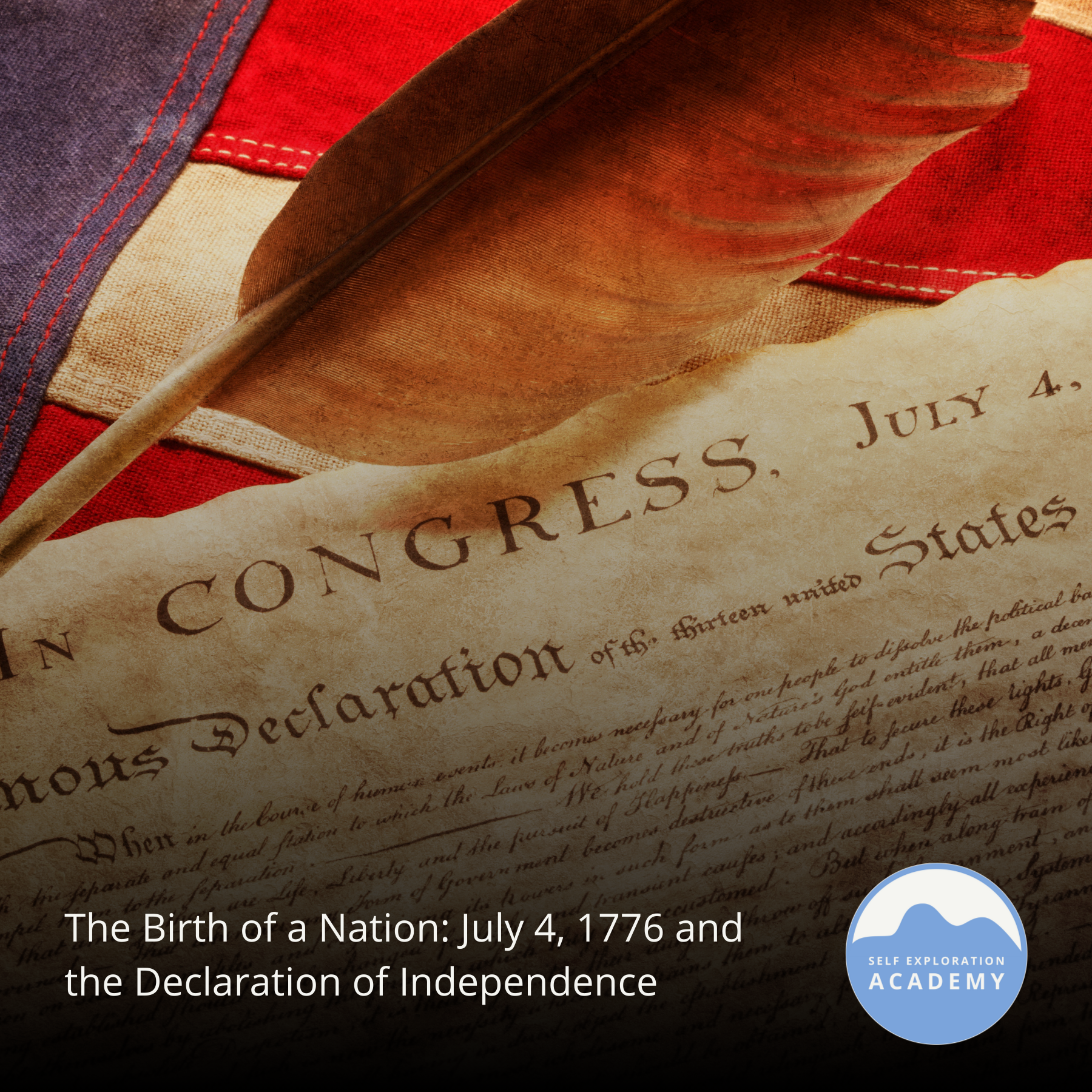
Explore the courage, fear, and profound decisions that forged the United States, and discover lasting lessons in human resilience.
The Moment Itself
On July 4, 1776, in the sweltering heat of Philadelphia, a revolutionary act was formalized. For over a year, the Second Continental Congress had debated the fate of the American colonies, which had been chafing under British rule. Decades of escalating tensions, marked by economic exploitation, punitive legislation like the Stamp Act and the Intolerable Acts, and the burgeoning philosophical currents of the Enlightenment advocating for natural rights and self-governance, had pushed the colonies to the brink. The armed conflicts at Lexington and Concord, followed by Bunker Hill, had already ignited a war, yet the colonies had not officially broken ties. Thomas Jefferson, a young Virginian lawyer and philosopher, had been tasked with drafting a document that articulated the colonies' grievances and their decision for complete separation. Influenced by John Locke and other Enlightenment thinkers, Jefferson meticulously crafted a declaration asserting the universal rights of "life, liberty, and the pursuit of happiness," and outlining a litany of King George III's abuses. The Congress, after rigorous debate and some modifications, adopted this Declaration of Independence. What was at stake was not merely a change in government, but the very existence of a new nation founded on radical principles, and for those who signed it, the immediate risk of being tried and executed for treason by the world’s most powerful empire.
The Emotional Landscape
The adoption of the Declaration was met with a complex tapestry of emotions across the nascent United States. For the delegates, particularly those who affixed their names to the document, the predominant emotions must have been a profound mixture of audacious courage and an undeniable undercurrent of fear. They were committing an act of rebellion against a formidable power, knowing full well the potential personal cost. Their families and fortunes were on the line. Among the general populace, sentiments were equally varied. Patriots felt a surge of hope, a defiant pride in casting off the shackles of tyranny, and an invigorating sense of collective identity. Yet, this hope was tempered by the palpable fear of the unknown—the specter of a long, brutal war against a superior military force, the disruption of daily life, and the potential for utter failure and harsher subjugation. For Loyalists, the Declaration represented betrayal and anarchy, likely evoking anger, confusion, and despair for the fracturing of their familiar world and allegiance to the Crown. The air was thick with uncertainty, a blend of patriotic fervor and the chilling realization of the immense sacrifices yet to be made.

A Lesson in Social Emotional Learning
The adoption of the Declaration of Independence offers a potent lesson in Responsible Decision-Making. The decision to declare independence was not impulsive; it was the culmination of years of deliberation, debate, and the careful weighing of monumental risks against deeply held principles. The delegates, representing diverse colonies, had to engage in intense relationship skills—negotiating, compromising, and building consensus—to arrive at a unified stance. Their collective self-awareness of the injustices they faced and their shared identity as Americans, distinct from Britons, fueled their resolve. This process required significant self-management, as individuals set aside personal reservations and fears for the greater collective good. The act itself was a deliberate choice to commit to a perilous path, fully understanding the dire consequences of failure, but prioritizing the long-term vision of a free and self-governing people. The moment speaks to us today about the courage required to make transformative decisions, not out of recklessness, but from a place of principled conviction and a clear understanding of the stakes involved, even when faced with overwhelming odds.
Latest Posts