

WELCOME TO
The Academic Blog

The Birth of a Nation: A Lesson from Constitution Day
Go beyond the parchment to explore the intense debates, raw emotions, and crucial compromises that shaped the U.S. Constitution in 1787. Discover timeless lessons in responsible decision-making and human connection.
Explore the intense debates, profound emotions, and crucial compromises that shaped the United States Constitution in 1787, and discover its enduring lessons for today.
The Moment Itself
The United States Constitution, signed on September 17, 1787, in Philadelphia, represents far more than a legal document; it is a testament to human will, compromise, and the desperate gamble for a fledgling nation's survival. The summer of 1787 saw 55 delegates from twelve states (Rhode Island notably absent) convene in secret, cloistered in the sweltering Pennsylvania State House. The young republic, barely a decade removed from its hard-won independence, teetered on the brink of collapse under the feckless Articles of Confederation. States, acting as sovereign nations, squabbled over trade, currency, and territory. Economic depression gripped the populace, and events like Shays' Rebellion in Massachusetts highlighted the alarming weakness of the central government to maintain order.
At stake was the very idea of a unified American experiment. Would it devolve into a collection of squabbling, vulnerable states, or could a new framework forge a lasting union? Figures like James Madison, the intellectual architect of the Virginia Plan, and the venerable George Washington, whose mere presence lent immense legitimacy to the proceedings, wrestled with fundamental questions: how to balance federal power with states' rights, how to reconcile the interests of large states with small ones, and the morally fraught question of slavery. The Convention was a crucible of intense debate, marked by profound disagreements that threatened to derail the entire enterprise. The resulting document, often called a "bundle of compromises," was imperfect but essential, signed by 39 weary but hopeful delegates.

The Emotional Landscape
Within the stifling confines of the Convention hall, the emotional landscape was a volatile mix of frustration, exhaustion, and an overwhelming sense of responsibility. Delegates grappled with the enormity of their task, knowing that failure could plunge their nascent nation into anarchy or re-subjugation. There were moments of despair, as impassioned arguments over representation or the institution of slavery seemed insurmountable. Yet, underlying this tension was a shared, pragmatic determination to find common ground. Outside, the public watched with a blend of anxiety and cautious hope. Memories of the war were fresh, as was the recent economic turmoil. There was a deep-seated fear of centralized power, a legacy of British tyranny, yet also a yearning for stability and prosperity that only a stronger union could provide. The signing brought a collective sigh of relief, tempered by the daunting task of ratification, which would ignite fierce debates across the states.
A Lesson in Social Emotional Learning
The Constitutional Convention offers a profound lesson in Responsible Decision-Making and Relationship Skills. The delegates, representing diverse interests and ideologies, were forced to engage in a sustained act of collective responsible decision-making. They had to weigh immediate concerns against long-term national viability, understanding that their choices would echo for generations. This required a high degree of Social Awareness—the ability to understand the perspectives and needs of others, even those with whom they fundamentally disagreed. Their success hinged on their Relationship Skills: the capacity to negotiate, compromise, and build consensus despite deep divisions. Benjamin Franklin's famous plea for unity on the final day, urging delegates to doubt their own infallibility and embrace the collective good, epitomizes this. While the compromises made, particularly regarding slavery, represent profound contradictions, the very act of reaching an agreement under such duress highlights the critical importance of these social-emotional competencies in forging a functional society. The moment still speaks to us today, reminding us that progress often demands difficult conversations, mutual respect, and a willingness to prioritize the common good over individual or factional interests.
Latest Posts












9/11: A Moment of Unprecedented Terror, Unforgettable Resilience
Explore 9/11's profound impact: from the moment itself to the emotional landscape and vital lessons in Social Emotional Learning. A deep dive into a day that changed the world.
Recounting the pivotal moments of 9/11 and examining the emotional landscape and social-emotional lessons that emerged.
The Moment Itself
On the morning of September 11, 2001, a clear Tuesday, the United States was irrevocably altered. Nineteen al-Qaeda terrorists, reportedly operating in four teams, hijacked four commercial airliners. At 8:46 AM Eastern Time, American Airlines Flight 11 struck the North Tower of the World Trade Center in New York City, followed just seventeen minutes later by United Airlines Flight 175 hitting the South Tower. The initial impact, a surreal explosion of fire and debris against the iconic Manhattan skyline, plunged the city and the nation into bewildered horror. As the towers burned, a third plane, American Airlines Flight 77, crashed into the Pentagon in Arlington, Virginia, at 9:37 AM, tearing a gaping hole in the symbol of American military might. Meanwhile, passengers and crew aboard United Flight 93, learning of the earlier attacks, bravely fought back against their hijackers, causing the plane to crash into a field in Shanksville, Pennsylvania, at 10:03 AM, likely preventing it from reaching its intended target, believed to be the U.S. Capitol or the White House. Within hours, both World Trade Center towers, weakened by the impacts and subsequent fires, collapsed into massive clouds of dust and twisted steel. Nearly 3,000 people were killed in the coordinated assault, including civilians from over 90 nations, first responders, and military personnel. What was at stake was not just human life, but the nation’s sense of security, its economic stability, and its place in a rapidly globalizing world.
The Emotional Landscape
The emotional landscape of 9/11 was a maelstrom of raw, profound human experience. For those in New York, Washington D.C., and Shanksville, immediate terror and confusion reigned. People ran from collapsing buildings, covered in dust, searching for loved ones, or simply trying to survive. The courage of firefighters, police officers, and paramedics, who rushed into the burning towers as others fled, was an overwhelming testament to selflessness in the face of certain death. Grief became a collective burden, palpable in the stunned silence that fell over cities, punctuated by the wails of sirens and the desperate calls from families seeking news. Yet, alongside the despair, an extraordinary wave of solidarity and hope emerged. Communities rallied, strangers offered help, blood banks were overwhelmed with donors, and flags flew everywhere. There was a fierce anger, too, a unified outrage directed at the perpetrators, fueling a national resolve that transcended political divides, even as it laid the groundwork for future conflicts.
A Lesson in Social Emotional Learning
The events of September 11, 2001, offer stark lessons in Social Awareness and Responsible Decision-Making. The perpetrators demonstrated a catastrophic failure of social awareness, utterly devoid of empathy for human life and blind to the global repercussions of their actions. Conversely, the immediate aftermath showcased an extraordinary surge in social awareness among ordinary citizens. People from all walks of life, without prompting, demonstrated profound empathy, compassion, and a deep understanding of collective suffering. They recognized the shared humanity of the victims and the interconnectedness of their communities, leading to an unprecedented outpouring of aid and support. The passengers on United Flight 93 epitomized responsible decision-making under unimaginable duress. Faced with certain death, they made a collective, ethical choice to confront their hijackers, understanding that their sacrifice could prevent further loss of life. Their decision, born of courage and a clear assessment of the dire situation, was a profound act of selflessness. This moment still speaks to us today, reminding us of the fragility of peace, the enduring power of human resilience, and the critical importance of fostering empathy and making ethical choices in a complex world.
Latest Posts
Edinburgh, 1886: The Day the Stone of Destiny Reclaimed Its Place in Scottish Hearts
Discover how a seemingly ordinary 1886 event unexpectedly propelled the ancient Stone of Destiny into the spotlight, solidifying its place as a powerful symbol of Scottish nationhood and resilience.
Explore the surprising 1886 event that cemented the ancient Stone of Destiny as a powerful emblem of Scotland's enduring spirit.
The Moment Itself
On September 04, 1886, Edinburgh played host to the Freemasons’ Grand National Tournament, an event that, while ostensibly a fraternal gathering, inadvertently became a pivotal moment in the popularization of the Stone of Destiny as a symbol of Scottish nationhood. The Stone, an ancient block of sandstone used for centuries in the coronation of Scottish monarchs, had been seized by Edward I of England in 1296 and transported to Westminster Abbey, where it remained beneath the English Coronation Chair for over 600 years. Despite its physical absence from Scotland, its symbolic weight endured in historical memory.
By the late 19th century, amidst a burgeoning sense of national identity across Europe, Scottish cultural institutions sought ways to affirm their distinct heritage within the United Kingdom. The Freemasons, a powerful and influential fraternal order with deep historical roots in Scotland, provided a grand public stage. During the tournament, a replica or significant symbolic representation of the Stone was prominently displayed, drawing considerable public attention. This wasn't a political protest, but a cultural spectacle that resonated deeply. What was at stake was the quiet assertion of a distinct Scottish identity, a reminder of a sovereign past, and a subtle reclaiming of a potent national emblem from the annals of history into contemporary public consciousness.
The Emotional Landscape
The atmosphere surrounding the tournament, particularly concerning the Stone, would have been charged with a complex mix of emotions. For many Scots, there was likely a profound sense of pride in their heritage, mingled with a poignant nostalgia for a lost sovereignty. The public display of the Stone’s likeness tapped into a collective memory, evoking feelings of shared identity and a quiet longing for greater recognition of their nation’s unique story. For the Freemasons themselves, it was a moment of immense collective pride, showcasing their organization’s role as custodians of Scottish tradition and their ability to command such a grand public event.
While overt political defiance was not the aim, the event fostered a subtle, yet powerful, sense of unity and cultural affirmation. Attendees likely felt a surge of connection to a grand historical narrative, a shared sense of belonging that transcended daily life. The emotions were less about anger or confusion, and more about a quiet, resilient pride and a collective recognition of a heritage that, despite centuries of union, remained distinct and deeply cherished.
A Lesson in Social Emotional Learning
This historical moment offers a compelling insight into Social Awareness, one of the five core competencies of Social Emotional Learning. The Freemasons, as a prominent social and cultural organization, demonstrated a profound understanding of the collective emotional and historical landscape of the Scottish people. Their decision to prominently feature the Stone of Destiny was not merely an internal organizational display; it was an astute act of social awareness. They recognized the deep-seated significance of the Stone as a symbol of national identity, sovereignty, and historical continuity for Scots.
By bringing this powerful emblem into a public spectacle, they tapped into a shared cultural consciousness, reinforcing a collective sense of "who we are" as a nation. This act served to amplify a dormant symbol, bringing it back into the popular imagination and strengthening a communal bond. The success of the event in popularizing the Stone lay in this very social awareness – the ability to perceive, understand, and respond effectively to the cultural and emotional cues of the wider community. The moment still speaks to us today about the enduring power of symbols and the role of collective social awareness in shaping and preserving national identity.
Latest Posts

When Tokyo Burned: Unpacking the Devastating 1923 Great Kantō Earthquake and Its Aftermath
Unpack the 1923 Great Kantō Earthquake's impact: a story of devastating fires, human resilience, and tragic social dynamics. Discover vital lessons in social emotional learning from this pivotal historical moment.
A gripping account of Japan's 1923 Great Kantō Earthquake, examining the fear, resilience, and tragic social dynamics that defined its aftermath.
The Moment Itself
At 11:58 AM on September 1, 1923, the Kantō Plain of Japan was violently shaken by an earthquake estimated at a magnitude of 7.9. The tremor, centered deep beneath Izu Ōshima Island, struck with devastating force, particularly impacting the burgeoning metropolises of Tokyo and Yokohama. Japan, then rapidly industrializing, had built densely packed cities largely of wood and paper, making them acutely vulnerable. Within minutes, buildings crumbled, gas lines ruptured, and charcoal stoves overturned, igniting thousands of fires across the two cities. The timing was catastrophic; many were preparing lunch, and a strong typhoon offshore whipped up powerful winds, transforming scattered blazes into an unstoppable firestorm. The most horrifying incident occurred at the Rikugun Honjo Hifukusho (Army Clothing Depot) in Tokyo, where approximately 38,000 people, seeking refuge in an open space, were incinerated by a "Dragon Twist" or "Fire Whirlwind" in a matter of minutes. By the time the fires subsided days later, over 100,000 lives had been lost, and vast swathes of Japan's most important urban centers lay in ruins. What was at stake was not just infrastructure, but the very fabric of a modernizing nation's identity and its people's sense of security.
The Emotional Landscape
The immediate aftermath was a maelstrom of terror, grief, and desperate survival. Survivors wandered through smoldering ruins, searching for loved ones amidst unimaginable destruction. The air was thick with smoke, the cries of the injured, and the silence of utter desolation. Amidst this chaos, acts of incredible courage and selflessness emerged, as neighbors helped strangers, and communities, though shattered, attempted to organize relief. However, the overwhelming fear and confusion also birthed a darker side. Wild, unfounded rumors began to spread, fueled by panic and pre-existing xenophobia, claiming that Koreans residing in Japan were poisoning wells or setting fires. This misinformation ignited a horrific wave of violence, leading to the massacre of thousands of Koreans, and some Chinese and Japanese socialists, by vigilante groups and even some elements of the military and police. This tragic episode revealed how quickly collective trauma and a breakdown of order could unleash suppressed prejudices and transform fear into murderous rage.
A Lesson in Social Emotional Learning
The Great Kantō earthquake offers a stark, contradictory lesson in Social Awareness and Responsible Decision-Making. While the initial response saw remarkable displays of empathy and mutual aid—demonstrating positive social awareness and the ability to make responsible decisions to help others—the subsequent massacres highlighted a catastrophic failure in these very competencies. The rapid spread and acceptance of baseless rumors, leading to widespread violence against a minority group, is a profound example of a lack of social awareness. It shows a failure to understand diverse perspectives, to recognize and challenge prejudice, and to empathize with vulnerable populations during a crisis. Similarly, the actions of those who participated in the violence, and the inaction of authorities who failed to quell the rumors or protect the innocent, represent a severe breakdown in responsible decision-making. Decisions were made based on fear and misinformation, rather than critical thinking, ethical considerations, or a commitment to justice.
This historical moment speaks to us today as a powerful reminder of the fragility of social cohesion in times of crisis. It underscores the enduring importance of cultivating critical thinking, media literacy, and deep-seated empathy to resist the allure of scapegoating and ensure that fear does not override our collective humanity.
Latest Posts

Shattered Monopoly: The Day the Soviet Union Tested Its First Atomic Bomb
The 1949 Soviet atomic bomb shattered global power dynamics, ending the US nuclear monopoly and igniting the Cold War arms race. Explore the historical moment, emotional impact, and lessons in responsible decision-making.
Explore the fear, triumph, and profound shifts in global power that followed the Soviet Union's first atomic bomb detonation in 1949, and discover its enduring lessons in responsible decision-making.
The Moment Itself
On August 29, 1949, at 7:00 AM local time, the desolate steppe of the Semipalatinsk Test Site in the Kazakh Soviet Socialist Republic became the stage for a seismic shift in global power. Codenamed "First Lightning" by the Soviets and later dubbed "Joe-1" by the Americans, the successful detonation of the RDS-1 atomic bomb shattered the United States' four-year nuclear monopoly. This event, meticulously planned and executed under the scientific leadership of Igor Kurchatov and the ruthless political oversight of Lavrentiy Beria, was a direct response to the American atomic bombings of Hiroshima and Nagasaki and the burgeoning Cold War. For Moscow, it was a matter of existential security and a powerful assertion of its technological prowess. For Washington, it was the abrupt end of a strategic advantage, igniting an arms race that would define the latter half of the 20th century. The stakes were nothing less than the future of global peace, the balance of power, and the very survival of humanity under the shadow of mutually assured destruction.
The Emotional Landscape
The news of the Soviet bomb, publicly announced by President Truman on September 23, 1949, sent shockwaves across the United States and its allies. An initial sense of invincibility, born from America's sole possession of the atomic weapon, evaporated overnight, replaced by a profound vulnerability. Fear became a palpable force, manifesting in public service announcements about fallout shelters, school drills, and a pervasive anxiety about a potential nuclear holocaust. In the Soviet Union, the mood was one of triumph and immense relief; the successful test validated years of intense, often brutal, effort and sacrifice, confirming their status as a global superpower. Internationally, the detonation ushered in an era of heightened tension, suspicion, and an unprecedented arms buildup. The emotional landscape was one of collective dread, a world teetering on the brink, where the very air seemed to hum with the unspoken threat of unimaginable destruction.
A Lesson in Social Emotional Learning
The detonation of the RDS-1 offers a stark, albeit challenging, lesson in Responsible Decision-Making and Social Awareness. The decision by both the United States and the Soviet Union to pursue and then escalate nuclear weapons development was driven by a perceived need for security and strategic advantage. However, this pursuit, while perhaps understandable in the context of post-war mistrust, demonstrated a collective failure in long-term responsible decision-making. The immediate goal of deterrence overshadowed the catastrophic potential and the inevitable arms race it would unleash, leading to a global standoff rather than a path toward de-escalation. Furthermore, the event underscored a profound lack of Social Awareness between the two ideological blocs. Deep-seated mistrust and an inability to genuinely understand or empathize with the other's security concerns fueled a cycle of escalation. Neither side fully appreciated the other's internal pressures or anxieties, leading to policies based on fear and suspicion rather than dialogue and mutual understanding. This historical moment serves as a powerful reminder of how unchecked fear and a deficit in social awareness can lead nations down a perilous path, emphasizing the enduring importance of diplomacy, empathy, and responsible global stewardship in navigating complex international relations today.
Latest Posts
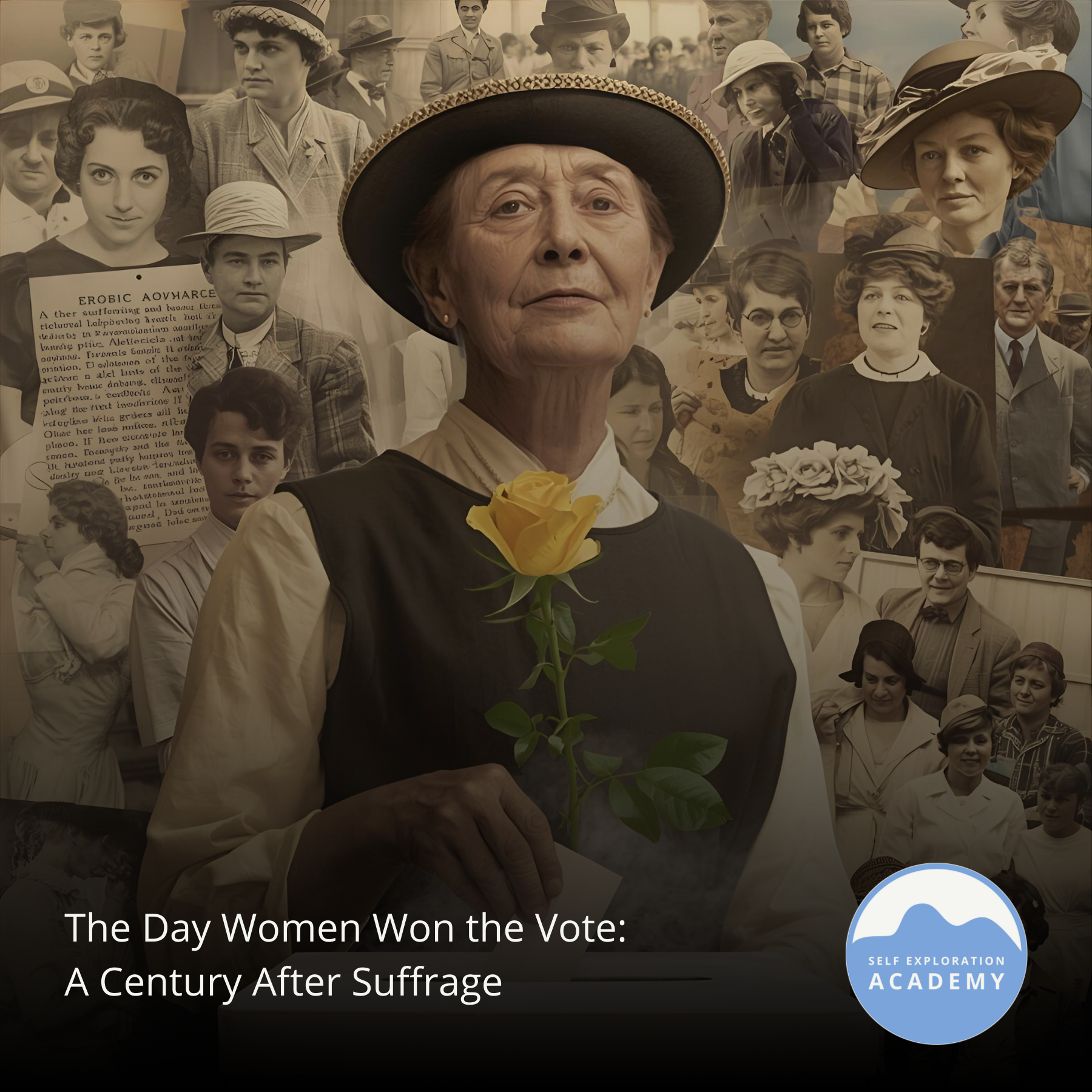
The Day Women Won the Vote: A Century After Suffrage
Discover the untold emotional journey behind the 19th Amendment's certification. From fierce battles to a mother's letter, explore the pivotal moment women secured the right to vote in America.
A look back at the dramatic final days of the suffrage movement, the courageous decisions, and the enduring legacy of the 19th Amendment.
On August 26, 1920, a seemingly bureaucratic act in Washington, D.C., marked the culmination of a seventy-two-year struggle, forever altering the landscape of American democracy. Secretary of State Bainbridge Colby, without ceremony, signed the proclamation certifying the 19th Amendment to the U.S. Constitution, formally granting women the right to vote. This quiet moment belied the ferocious, decades-long battle that preceded it, a fight waged by generations of women and their allies against entrenched societal norms, political opposition, and often violent resistance. The stakes were nothing less than the full citizenship of half the nation's population, challenging fundamental ideas about gender roles, power, and who truly belonged in the public sphere.
The Moment Itself
The amendment's journey to certification hinged on ratification by 36 states. By the summer of 1920, 35 had approved, leaving Tennessee as the final, crucial battleground. Nashville became a vortex of intense lobbying, with "Suffs" (suffragists) in their yellow roses and "Antis" (anti-suffragists) in their red roses clashing openly. The fate of the amendment rested on a single vote in the Tennessee House of Representatives. On August 18, 1920, the vote was deadlocked. Then, a young legislator named Harry Burn, at 24 the youngest member of the House, received a letter from his mother, Phoebe Ensminger Burn. "Dear Son," she wrote, "Hurrah and vote for suffrage and don't forget to be a good boy." Despite wearing a red rose, signifying his anti-suffrage stance, and facing immense pressure from his party, Burn changed his vote from "no" to "aye," breaking the tie and securing ratification by a single vote. His courageous decision, influenced by his mother's plea, sent shockwaves through the chamber and across the nation, paving the way for Colby's signature eight days later.
The Emotional Landscape
The emotional landscape surrounding the 19th Amendment's certification was a tempest of hope, despair, and ultimately, exultation. For suffragists like Carrie Chapman Catt and Alice Paul, the decades had been marked by relentless activism, public ridicule, arrests, hunger strikes, and the heartbreak of repeated legislative defeats. Their hope was a fragile, yet unyielding flame, fueled by a deep conviction in justice. The final days in Tennessee were fraught with anxiety, a culmination of years of sacrifice hanging by a thread. When Harry Burn cast his decisive vote, the immediate reaction was a mixture of stunned silence, then shouts, tears, and spontaneous celebrations among the suffragists. For the "Antis," the emotion was one of profound anger and betrayal, a sense of a world irrevocably altered and, in their view, diminished. This moment encapsulated the raw human experience of a societal paradigm shift: the joy of hard-won victory for some, and the bitter resentment of perceived loss for others.
A Lesson in Social Emotional Learning
The struggle for the 19th Amendment offers profound insights into Social Awareness and Responsible Decision-Making. The suffragists demonstrated extraordinary social awareness by recognizing and articulating the systemic injustice of women's disenfranchisement. They understood the broader societal implications of denying half the population a voice, empathizing with the collective struggle for equality. Their persistent advocacy was rooted in this deep understanding of societal structures and the need for change. Harry Burn's pivotal vote exemplifies responsible decision-making. Faced with intense political pressure and the expectation to vote a certain way, he chose to listen to his conscience and his mother's moral guidance, prioritizing a principle he believed was right over political expediency. His decision, while personally challenging, ultimately served a greater good. The moment still speaks to us today, reminding us that progress often requires individuals to cultivate a deep social awareness of inequities and to make courageous, responsible decisions that challenge the status quo, even when it's unpopular.
Latest Posts

Henry Hudson's Arctic Obsession: A Voyage of Discovery, Mutiny, and Unforeseen Lessons
Explore Henry Hudson's 1610 voyage into Hudson Bay: an epic quest where obsession met mutiny. Uncover crucial SEL lessons on leadership, responsible decision-making, and human relationships from this historic moment.
Journey back to 1610 as explorer Henry Hudson's relentless pursuit of the Northwest Passage transforms into a gripping tale of survival, conflict, and profound insights into our emotional landscape.
The Moment Itself
On August 2, 1610, aboard the ship Discovery, English explorer Henry Hudson sailed into a vast, uncharted sea, convinced he had finally found the elusive Northwest Passage. His fourth voyage, funded by British merchants eager for a direct sea route to the lucrative markets of Asia, had pushed through the turbulent waters north of the Americas. What Hudson encountered was not the fabled passage to the Pacific, but an enormous inland sea, later to bear his name: Hudson Bay. For months, he meticulously charted its eastern coast, his obsession with finding the passage overriding all other concerns. The stakes were immense: untold riches for his sponsors, immortal fame for Hudson, and the collective survival of his crew in a remote, hostile environment as the arctic winter rapidly approached. His unyielding determination, born of years of failed attempts, now guided his every decision, driving Discovery deeper into the bay, unknowingly sealing his fate and that of many aboard.
The Emotional Landscape
The initial elation upon entering the vast waters of the bay must have been palpable—a mixture of hope, triumph, and perhaps a desperate relief that their arduous journey might finally yield success. Yet, as the weeks turned into months and the ice began to thicken, a profound shift occurred. Hope curdled into despair, elation into a gnawing fear. The crew, already exhausted and short on provisions, watched with growing alarm as Hudson pushed them further into the bay, disregarding their pleas to turn back. Fear of starvation, of being trapped in the unforgiving ice, and of a slow, agonizing death became their constant companion. This fear festered into deep-seated anger and frustration, directed squarely at Hudson's obstinate and increasingly irrational leadership. For Hudson, the emotional landscape was likely one of relentless pressure, a single-minded pursuit bordering on delusion, perhaps a desperate refusal to admit defeat even as the grim reality of their situation became undeniable. The chasm between the captain's vision and his crew's dire reality widened, creating an unbearable tension.
A Lesson in Social Emotional Learning
Henry Hudson's ill-fated voyage into Hudson Bay provides a stark, albeit tragic, lesson in Responsible Decision-Making and Relationship Skills. Hudson's relentless drive, while a hallmark of great explorers, became a profound failure in responsible decision-making. He exhibited a clear lack of foresight and adaptability, failing to adjust his strategy despite mounting evidence (the size of the bay, the encroaching winter) that his primary goal was unattainable. His obsession blinded him to the grave consequences for his crew and the mission's ultimate failure. He did not adequately weigh the risks against the diminishing returns.
Furthermore, the voyage highlights a catastrophic breakdown in Relationship Skills. Hudson's inability to effectively communicate with his crew, to acknowledge their valid fears, or to foster a collaborative environment proved fatal. His autocratic leadership style and perceived disregard for their well-being eroded trust and loyalty, leading directly to the desperate act of mutiny. The crew, in turn, also struggled with effective relationship skills, as their discontent escalated into rebellion rather than a negotiated resolution, albeit under extreme duress. The moment speaks to us today about the critical balance between ambition and pragmatism, the paramount importance of empathetic leadership, and the dire consequences that arise when communication fails and responsible decisions are abandoned in the face of obsessive pursuit.
Latest Posts
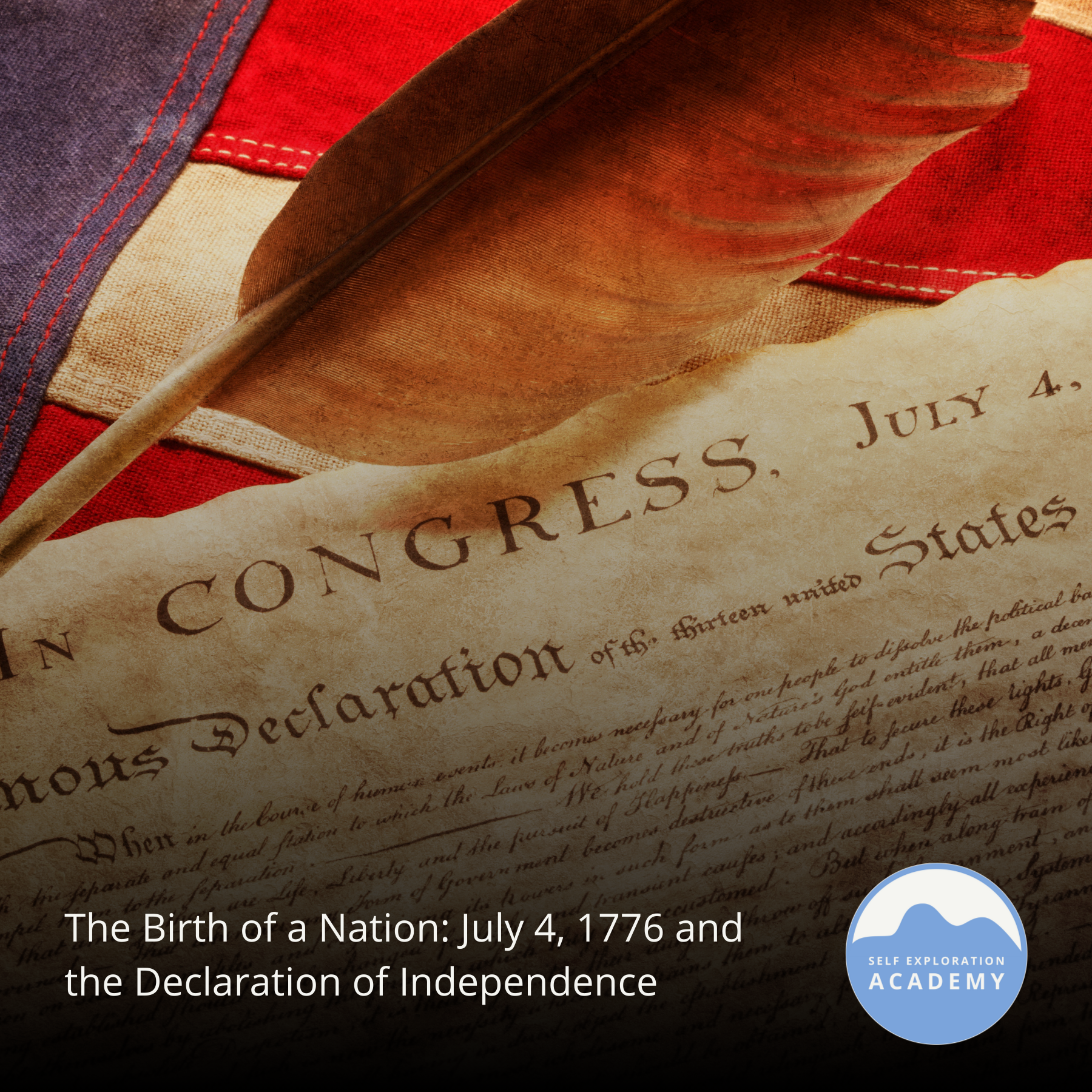
The Birth of a Nation: July 4, 1776 and the Declaration of Independence
Go beyond the fireworks of July 4th. Discover the raw courage, fear, and profound decisions of 1776 that forged a nation. Explore the emotional journey behind America's Declaration of Independence.
Explore the courage, fear, and profound decisions that forged the United States, and discover lasting lessons in human resilience.
The Moment Itself
On July 4, 1776, in the sweltering heat of Philadelphia, a revolutionary act was formalized. For over a year, the Second Continental Congress had debated the fate of the American colonies, which had been chafing under British rule. Decades of escalating tensions, marked by economic exploitation, punitive legislation like the Stamp Act and the Intolerable Acts, and the burgeoning philosophical currents of the Enlightenment advocating for natural rights and self-governance, had pushed the colonies to the brink. The armed conflicts at Lexington and Concord, followed by Bunker Hill, had already ignited a war, yet the colonies had not officially broken ties. Thomas Jefferson, a young Virginian lawyer and philosopher, had been tasked with drafting a document that articulated the colonies' grievances and their decision for complete separation. Influenced by John Locke and other Enlightenment thinkers, Jefferson meticulously crafted a declaration asserting the universal rights of "life, liberty, and the pursuit of happiness," and outlining a litany of King George III's abuses. The Congress, after rigorous debate and some modifications, adopted this Declaration of Independence. What was at stake was not merely a change in government, but the very existence of a new nation founded on radical principles, and for those who signed it, the immediate risk of being tried and executed for treason by the world’s most powerful empire.
The Emotional Landscape
The adoption of the Declaration was met with a complex tapestry of emotions across the nascent United States. For the delegates, particularly those who affixed their names to the document, the predominant emotions must have been a profound mixture of audacious courage and an undeniable undercurrent of fear. They were committing an act of rebellion against a formidable power, knowing full well the potential personal cost. Their families and fortunes were on the line. Among the general populace, sentiments were equally varied. Patriots felt a surge of hope, a defiant pride in casting off the shackles of tyranny, and an invigorating sense of collective identity. Yet, this hope was tempered by the palpable fear of the unknown—the specter of a long, brutal war against a superior military force, the disruption of daily life, and the potential for utter failure and harsher subjugation. For Loyalists, the Declaration represented betrayal and anarchy, likely evoking anger, confusion, and despair for the fracturing of their familiar world and allegiance to the Crown. The air was thick with uncertainty, a blend of patriotic fervor and the chilling realization of the immense sacrifices yet to be made.
A Lesson in Social Emotional Learning
The adoption of the Declaration of Independence offers a potent lesson in Responsible Decision-Making. The decision to declare independence was not impulsive; it was the culmination of years of deliberation, debate, and the careful weighing of monumental risks against deeply held principles. The delegates, representing diverse colonies, had to engage in intense relationship skills—negotiating, compromising, and building consensus—to arrive at a unified stance. Their collective self-awareness of the injustices they faced and their shared identity as Americans, distinct from Britons, fueled their resolve. This process required significant self-management, as individuals set aside personal reservations and fears for the greater collective good. The act itself was a deliberate choice to commit to a perilous path, fully understanding the dire consequences of failure, but prioritizing the long-term vision of a free and self-governing people. The moment speaks to us today about the courage required to make transformative decisions, not out of recklessness, but from a place of principled conviction and a clear understanding of the stakes involved, even when faced with overwhelming odds.
Latest Posts

The Emotional Aftermath of Gettysburg: A Turning Point in the Civil War
Step into the Battle of Gettysburg, the Civil War's dramatic turning point. Explore the pivotal decisions, raw emotions, and human resilience that defined this historic moment and its enduring lessons.
Explore the raw realities of July 3, 1863, and how this turning point in the American Civil War offers profound insights into human resilience and decision-making.
The Moment Itself
On July 3, 1863, the fields outside Gettysburg, Pennsylvania, became the crucible for the American Civil War’s most pivotal clash. For two days, Union and Confederate forces had grappled in brutal, relentless fighting. Confederate General Robert E. Lee, emboldened by past victories and believing the Union line vulnerable, made a fateful decision: a direct, frontal assault on the Union center atop Cemetery Ridge. Around 1 PM, over 12,000 Confederate infantrymen, under the command of General George Pickett and others, emerged from the tree line and began their mile-long march across open fields, under scorching summer sun, directly into the concentrated fire of Union artillery and infantry. They marched with precision, their battle flags fluttering, a defiant wave against an unyielding tide. Union artillery tore vast holes in their ranks, followed by a torrent of musket fire as they approached. Despite horrific casualties, small pockets of Confederates reached the Union line, breaching it momentarily before being overwhelmed. By late afternoon, the charge had utterly collapsed, leaving thousands of dead and wounded Confederates sprawled across the fields. The attack, a desperate gamble, had failed catastrophically, marking the high-water mark of the Confederacy and cementing a Union victory that irrevocably shifted the war's momentum.
The Emotional Landscape
The emotional landscape of Gettysburg was one of profound extremes. For the Confederate soldiers, it began with a mixture of determined resolve and grim fatalism, fueled by loyalty to their cause and commanders. As they advanced into the maelstrom, courage morphed into raw terror, then despair, as their ranks disintegrated under fire. The silence that followed the repulse was filled not with triumph for the living, but with the groans of the dying and the dazed shock of those who had survived. Grief was palpable for comrades lost, and a collective sense of crushing failure descended. On the Union side, the initial fear and tension of waiting for the charge gave way to a surge of adrenaline as they held their ground, followed by immense relief and exhaustion. Yet, even in victory, the sight of the mangled battlefield, littered with thousands of men from both sides, brought a sobering wave of sorrow and weariness. The local civilians, who had huddled in cellars listening to the cacophony of battle, emerged to a landscape transformed into an unimaginable charnel house, grappling with the trauma of bearing witness and the immense task of tending to a staggering number of wounded.
A Lesson in Social Emotional Learning
The Battle of Gettysburg provides stark insights into Responsible Decision-Making and Self-Management. General Lee's decision to order Pickett's Charge, while bold, stands as a contentious example of decision-making under extreme pressure. It suggests a potential failure in responsible decision-making, where an overreliance on past success and an underestimation of the adversary’s strength led to a gamble with catastrophic human cost. The decision prioritized a direct, decisive blow over a comprehensive assessment of tactical feasibility and the immense risks to his troops, highlighting how even seasoned leaders can miscalculate when driven by desperation or overconfidence. Conversely, the individual soldiers on both sides exemplified profound Self-Management. Facing unimaginable terror, the ability of these men to control their fear, maintain formation (for the charging Confederates), and unleash devastating firepower (for the defending Union troops) speaks to an extraordinary capacity for emotional regulation and grit in the face of imminent death. This moment reminds us that while strategic decisions shape outcomes, the personal resolve and resilience of individuals can define the texture of historical events. The enduring legacy of Gettysburg still speaks to us today, not just of a turning point in war, but of the complex interplay between leadership, human endurance, and the profound consequences of choices made in moments of crisis.
Latest Posts