

WELCOME TO
The Academic Blog

The Birth of American Freedoms: The Untold Story of the Bill of Rights
Step back to 1789 and explore the intense debates, raw emotions, and critical decisions that forged the Bill of Rights. Discover its enduring lessons on responsible decision-making and social awareness.
A deep dive into the historical, emotional, and social-emotional lessons gleaned from the creation of the United States Bill of Rights.
The Moment Itself
On September 25, 1789, a nascent United States Congress, meeting in New York City, took a monumental step towards defining the character of its new republic. After months of intense debate and political maneuvering, twelve amendments to the freshly ratified Constitution were passed, ten of which would ultimately become the Bill of Rights. This was not a spontaneous act but the culmination of a fierce ideological battle that had raged during the Constitution's ratification process. Anti-Federalists, wary of a powerful central government reminiscent of the British monarchy they had just overthrown, vehemently demanded explicit guarantees of individual liberties. They argued that without such a safeguard, the new federal authority could easily infringe upon the very freedoms for which the Revolutionary War had been fought. Federalists, initially believing the Constitution implicitly protected rights, eventually conceded that a Bill of Rights was essential to secure ratification in several key states, notably Massachusetts and Virginia. James Madison, initially a skeptic, emerged as the pivotal figure, painstakingly sifting through hundreds of proposals to draft a concise set of amendments. At stake was nothing less than the fragile unity of the states and the very legitimacy of the new federal government in the eyes of a deeply suspicious populace.
The Emotional Landscape
The passing of these amendments evoked a complex tapestry of emotions across the young nation. For many, particularly those who had vocally championed the Anti-Federalist cause, there was a palpable sense of relief and vindication. The explicit enumeration of rights—freedom of speech, religion, the press, the right to bear arms, protection against unreasonable searches and seizures—offered a tangible assurance against potential governmental tyranny. It was a moment of fragile hope, a belief that the sacrifices of the Revolution had indeed secured a new era of liberty. Yet, beneath this collective sigh of relief, lay lingering anxieties. Some remained skeptical, questioning whether these paper guarantees would truly withstand the pressures of power. For others, particularly enslaved people, Native Americans, and women, the "freedoms" enshrined were a bitter irony, highlighting the profound contradictions inherent in the new republic's ideals. The emotional landscape was thus a blend of cautious optimism, deep-seated fear, and the quiet despair of those whose humanity was yet to be fully recognized.

A Lesson in Social Emotional Learning
The passage of the Bill of Rights offers a profound lesson in Responsible Decision-Making and Social Awareness. The framers, exemplified by James Madison, demonstrated responsible decision-making by recognizing the critical need for compromise. Despite their initial Federalist conviction that a Bill of Rights was unnecessary, they listened to the widespread public outcry and the persuasive arguments of the Anti-Federalists. This was not merely a political concession but a strategic decision to ensure the long-term viability and public trust in the new government. They weighed the risks of disunity and public distrust against their preferred constitutional structure and chose the path that would secure the union. Furthermore, their actions showcased a keen Social Awareness. They understood the deep-seated fears and anxieties of a populace that had just overthrown an oppressive regime. This awareness of the collective historical trauma and the diverse perspectives within the states allowed them to adapt their approach and address the fundamental demand for guaranteed liberties, even if those liberties were not yet universally applied. The moment speaks to us today about the enduring importance of listening to dissenting voices, the necessity of compromise for collective well-being, and the continuous, evolving work required to truly embody the ideals of liberty and justice for all.
Latest Posts












The Birth of a Nation: A Lesson from Constitution Day
Go beyond the parchment to explore the intense debates, raw emotions, and crucial compromises that shaped the U.S. Constitution in 1787. Discover timeless lessons in responsible decision-making and human connection.
Explore the intense debates, profound emotions, and crucial compromises that shaped the United States Constitution in 1787, and discover its enduring lessons for today.
The Moment Itself
The United States Constitution, signed on September 17, 1787, in Philadelphia, represents far more than a legal document; it is a testament to human will, compromise, and the desperate gamble for a fledgling nation's survival. The summer of 1787 saw 55 delegates from twelve states (Rhode Island notably absent) convene in secret, cloistered in the sweltering Pennsylvania State House. The young republic, barely a decade removed from its hard-won independence, teetered on the brink of collapse under the feckless Articles of Confederation. States, acting as sovereign nations, squabbled over trade, currency, and territory. Economic depression gripped the populace, and events like Shays' Rebellion in Massachusetts highlighted the alarming weakness of the central government to maintain order.
At stake was the very idea of a unified American experiment. Would it devolve into a collection of squabbling, vulnerable states, or could a new framework forge a lasting union? Figures like James Madison, the intellectual architect of the Virginia Plan, and the venerable George Washington, whose mere presence lent immense legitimacy to the proceedings, wrestled with fundamental questions: how to balance federal power with states' rights, how to reconcile the interests of large states with small ones, and the morally fraught question of slavery. The Convention was a crucible of intense debate, marked by profound disagreements that threatened to derail the entire enterprise. The resulting document, often called a "bundle of compromises," was imperfect but essential, signed by 39 weary but hopeful delegates.
The Emotional Landscape
Within the stifling confines of the Convention hall, the emotional landscape was a volatile mix of frustration, exhaustion, and an overwhelming sense of responsibility. Delegates grappled with the enormity of their task, knowing that failure could plunge their nascent nation into anarchy or re-subjugation. There were moments of despair, as impassioned arguments over representation or the institution of slavery seemed insurmountable. Yet, underlying this tension was a shared, pragmatic determination to find common ground. Outside, the public watched with a blend of anxiety and cautious hope. Memories of the war were fresh, as was the recent economic turmoil. There was a deep-seated fear of centralized power, a legacy of British tyranny, yet also a yearning for stability and prosperity that only a stronger union could provide. The signing brought a collective sigh of relief, tempered by the daunting task of ratification, which would ignite fierce debates across the states.
A Lesson in Social Emotional Learning
The Constitutional Convention offers a profound lesson in Responsible Decision-Making and Relationship Skills. The delegates, representing diverse interests and ideologies, were forced to engage in a sustained act of collective responsible decision-making. They had to weigh immediate concerns against long-term national viability, understanding that their choices would echo for generations. This required a high degree of Social Awareness—the ability to understand the perspectives and needs of others, even those with whom they fundamentally disagreed. Their success hinged on their Relationship Skills: the capacity to negotiate, compromise, and build consensus despite deep divisions. Benjamin Franklin's famous plea for unity on the final day, urging delegates to doubt their own infallibility and embrace the collective good, epitomizes this. While the compromises made, particularly regarding slavery, represent profound contradictions, the very act of reaching an agreement under such duress highlights the critical importance of these social-emotional competencies in forging a functional society. The moment still speaks to us today, reminding us that progress often demands difficult conversations, mutual respect, and a willingness to prioritize the common good over individual or factional interests.
Latest Posts
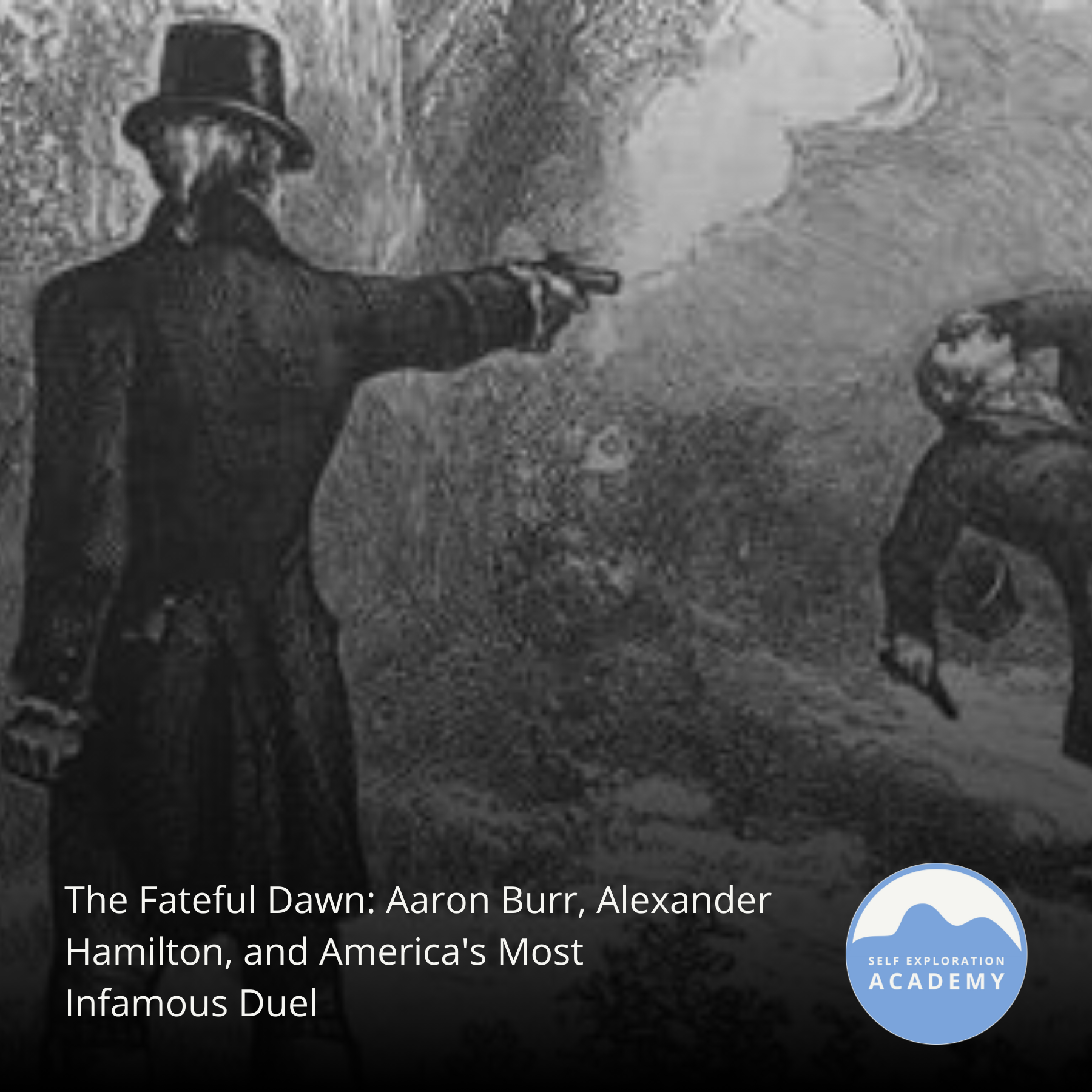
The Fateful Dawn: Aaron Burr, Alexander Hamilton, and America's Most Infamous Duel
Explore the dramatic 1804 Burr-Hamilton duel, its emotional aftermath, and how this historical confrontation offers timeless insights into responsible decision-making and social emotional learning today.
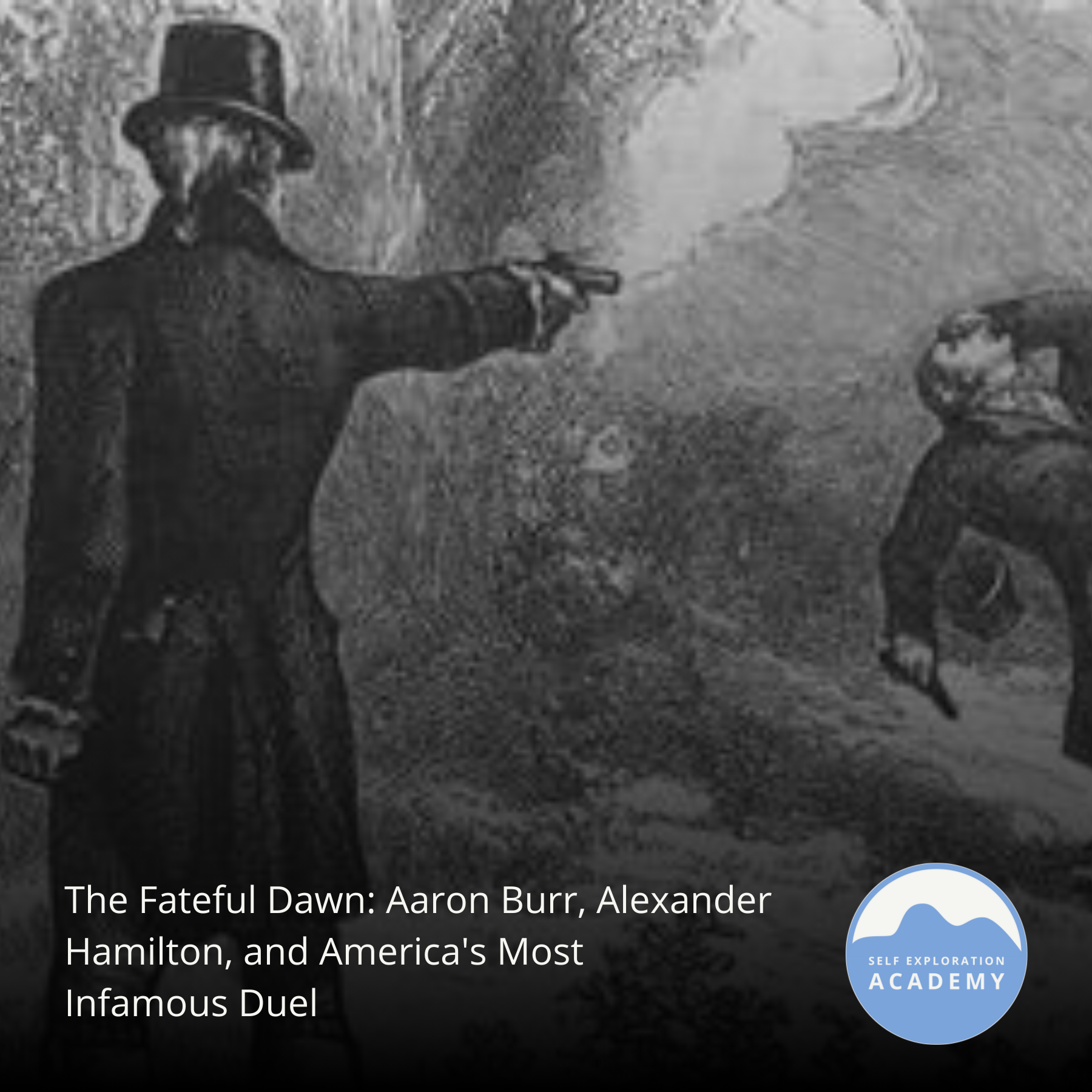
How a dawn encounter between Aaron Burr and Alexander Hamilton in 1804 offers profound insights into human nature and the power of responsible decision-making.
The Moment Itself
At dawn on July 11, 1804, a skiff carried two of America's most prominent founding figures across the Hudson River to a secluded ledge in Weehawken, New Jersey—a dueling ground favored for its inaccessibility and the protection it afforded from legal repercussions. Aaron Burr, the sitting Vice President, and Alexander Hamilton, a former Secretary of the Treasury and influential Federalist, stood facing each other, pistols in hand. This was no spur-of-the-moment confrontation but the culmination of years of intense political rivalry and escalating personal animosity, fueled by differing political philosophies, ambition, and a series of public and private insults. Hamilton had consistently undermined Burr's political aspirations, most recently by reportedly expressing a "despicable opinion" of Burr during the 1804 New York gubernatorial election, remarks that found their way into the press. For Burr, who had seen his political career falter despite his considerable talents, this perceived libel was the final straw—a direct assault on his honor that demanded satisfaction according to the era's code duello. For Hamilton, who outwardly condemned dueling yet felt compelled by societal expectations to accept the challenge, his reputation and even his life were on the line. At the agreed signal, shots rang out. Hamilton fired first, reportedly sending his bullet harmlessly into the air or a tree limb above Burr’s head. Burr's shot, however, struck Hamilton in the abdomen, inflicting a mortal wound.
The Emotional Landscape
The immediate aftermath was a complex tapestry of shock, grim resolve, and a profound shift in public sentiment. Burr, though outwardly composed, faced swift and widespread condemnation. His political career was irrevocably shattered, and he lived for decades with the stigma of having killed one of the nation's most admired figures. His emotional landscape must have been a desolate one, marked by the weight of societal ostracization and the knowledge of his fatal action, even if he believed it justified by the prevailing honor code. Hamilton, on the other hand, was carried away, suffering for thirty-one agonizing hours before succumbing to his wound. His letters penned before the duel reveal a man wrestling with his conscience, expressing his anti-dueling sentiments while also acknowledging the societal pressures that compelled him. There was a palpable sense of grief and outrage across the young nation, particularly in New York, where Hamilton was seen as a visionary architect of the republic. The public mourning was immense, and his funeral was a massive affair, cementing his legacy as a tragic hero and transforming Burr into a villain in the eyes of many.
A Lesson in Social Emotional Learning
The Burr-Hamilton duel serves as a stark, albeit tragic, case study in the perils of failing to exercise Responsible Decision-Making. Both men were individuals of extraordinary intellect and influence, yet they ultimately chose a path of irreversible conflict over potential avenues for de-escalation and rational resolution. Hamilton, despite his moral objections to dueling, made the decision to accept the challenge, prioritizing the prevailing code of honor and public perception over his own life and the well-being of his family. Burr, fueled by personal slight and a desperate need to reclaim his standing, chose to push the confrontation to its ultimate, fatal conclusion. Their combined failure to employ effective conflict resolution strategies, to engage in self-management of their pride and anger, or to consider the far-reaching consequences of their actions—both personally and for the nascent republic—led to a devastating outcome. The duel underscores how unchecked ego and a rigid adherence to outmoded social norms can override sound judgment. This historical moment powerfully illustrates that true strength and leadership often lie not in confrontation, but in the courage to seek peaceful solutions and to prioritize responsible choices, even when personal feelings are inflamed. It reminds us that the ability to make sound decisions, considering ethical implications and potential outcomes, remains a cornerstone of a functional society.
Latest Posts
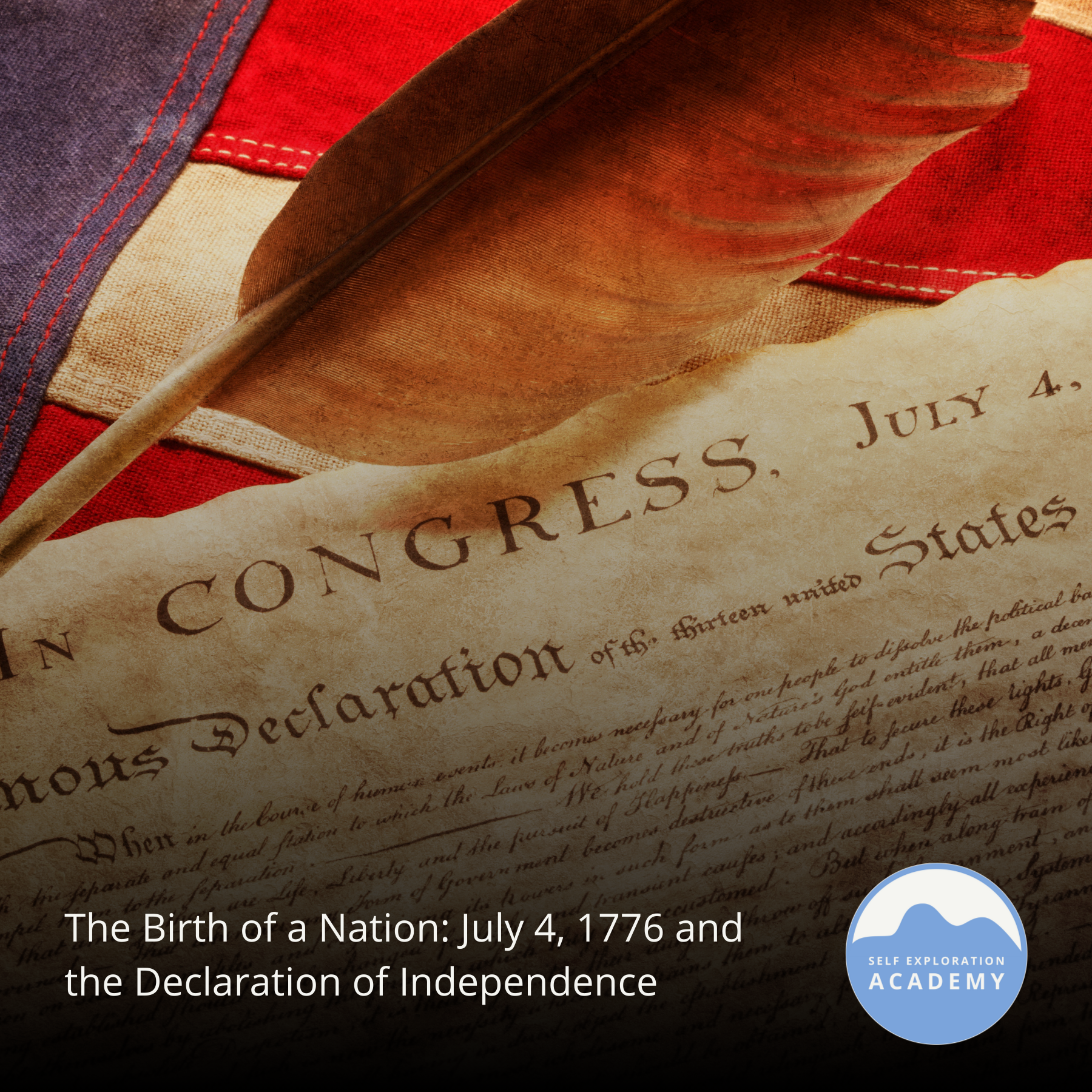
The Birth of a Nation: July 4, 1776 and the Declaration of Independence
Go beyond the fireworks of July 4th. Discover the raw courage, fear, and profound decisions of 1776 that forged a nation. Explore the emotional journey behind America's Declaration of Independence.
Explore the courage, fear, and profound decisions that forged the United States, and discover lasting lessons in human resilience.
The Moment Itself
On July 4, 1776, in the sweltering heat of Philadelphia, a revolutionary act was formalized. For over a year, the Second Continental Congress had debated the fate of the American colonies, which had been chafing under British rule. Decades of escalating tensions, marked by economic exploitation, punitive legislation like the Stamp Act and the Intolerable Acts, and the burgeoning philosophical currents of the Enlightenment advocating for natural rights and self-governance, had pushed the colonies to the brink. The armed conflicts at Lexington and Concord, followed by Bunker Hill, had already ignited a war, yet the colonies had not officially broken ties. Thomas Jefferson, a young Virginian lawyer and philosopher, had been tasked with drafting a document that articulated the colonies' grievances and their decision for complete separation. Influenced by John Locke and other Enlightenment thinkers, Jefferson meticulously crafted a declaration asserting the universal rights of "life, liberty, and the pursuit of happiness," and outlining a litany of King George III's abuses. The Congress, after rigorous debate and some modifications, adopted this Declaration of Independence. What was at stake was not merely a change in government, but the very existence of a new nation founded on radical principles, and for those who signed it, the immediate risk of being tried and executed for treason by the world’s most powerful empire.
The Emotional Landscape
The adoption of the Declaration was met with a complex tapestry of emotions across the nascent United States. For the delegates, particularly those who affixed their names to the document, the predominant emotions must have been a profound mixture of audacious courage and an undeniable undercurrent of fear. They were committing an act of rebellion against a formidable power, knowing full well the potential personal cost. Their families and fortunes were on the line. Among the general populace, sentiments were equally varied. Patriots felt a surge of hope, a defiant pride in casting off the shackles of tyranny, and an invigorating sense of collective identity. Yet, this hope was tempered by the palpable fear of the unknown—the specter of a long, brutal war against a superior military force, the disruption of daily life, and the potential for utter failure and harsher subjugation. For Loyalists, the Declaration represented betrayal and anarchy, likely evoking anger, confusion, and despair for the fracturing of their familiar world and allegiance to the Crown. The air was thick with uncertainty, a blend of patriotic fervor and the chilling realization of the immense sacrifices yet to be made.
A Lesson in Social Emotional Learning
The adoption of the Declaration of Independence offers a potent lesson in Responsible Decision-Making. The decision to declare independence was not impulsive; it was the culmination of years of deliberation, debate, and the careful weighing of monumental risks against deeply held principles. The delegates, representing diverse colonies, had to engage in intense relationship skills—negotiating, compromising, and building consensus—to arrive at a unified stance. Their collective self-awareness of the injustices they faced and their shared identity as Americans, distinct from Britons, fueled their resolve. This process required significant self-management, as individuals set aside personal reservations and fears for the greater collective good. The act itself was a deliberate choice to commit to a perilous path, fully understanding the dire consequences of failure, but prioritizing the long-term vision of a free and self-governing people. The moment speaks to us today about the courage required to make transformative decisions, not out of recklessness, but from a place of principled conviction and a clear understanding of the stakes involved, even when faced with overwhelming odds.
Latest Posts

The Founding Fathers and Social-Emotional Learning.
Discover how the U.S. Constitution isn't just a historical document; it's a guide to building character and citizenship.
Lessons in Leadership, Collaboration, and Compromise
The Founding Fathers.
he signing of the United States Constitution on September 17, 1787, marked a pivotal moment in American history. This document, the result of months of deliberation by delegates from across the thirteen states, established the framework for a new republic and laid the groundwork for the enduring principles that continue to shape the nation today.
The road to the Constitution was not without its challenges. The Continental Congress, faced with the daunting task of uniting a disparate group of colonies under a single government, had struggled to create a viable system. The Articles of Confederation, adopted in 1781, proved to be too weak to effectively govern the nation. Recognizing the need for a stronger central government, delegates from the states convened in Philadelphia in May 1787 to revise the Articles. However, the convention quickly abandoned the revisionist approach and embarked on the creation of an entirely new constitution.
The Constitutional Convention was a heated affair, marked by intense debate and compromise. Delegates from large and small states clashed over representation in Congress, with the Connecticut Compromise ultimately resolving the issue by creating a bicameral legislature. The question of slavery also proved to be a contentious topic, with delegates from Southern states insisting on the protection of their "peculiar institution." The Three-Fifths Compromise, which counted slaves as three-fifths of a person for purposes of representation, temporarily defused the crisis but would later return to haunt the nation.
Despite the challenges, the delegates ultimately succeeded in crafting a constitution that balanced the competing interests of the states and established a framework for a stable and effective government. The document divided the government into three branches—the legislative, executive, and judicial—and instituted a system of checks and balances to prevent any one branch from becoming too powerful. It also established a federal system, dividing power between the national government and the states.
The signing of the Constitution was not the end of the story. The document still needed to be ratified by the states. This process was far from straightforward, with opponents of the Constitution, known as Anti-Federalists, raising concerns about the concentration of power in the national government and the lack of protection for individual rights. In response, Federalists, supporters of the Constitution, promised to add a bill of rights to the document.
After a series of heated debates, the Constitution was ratified by nine states in 1788, paving the way for its implementation. The Bill of Rights, which included ten amendments protecting fundamental freedoms such as speech, religion, and the right to bear arms, was added to the Constitution in 1791.
The signing of the United States Constitution was a watershed moment in American history. It established a framework for government that has endured for over two centuries and continues to shape the nation's political and legal landscape. The debates and compromises that led to the Constitution's creation have also had a profound impact on discussions about constitutional law and civic education. The document's principles and values continue to be studied and debated by scholars, policymakers, and citizens alike, ensuring that the legacy of the Constitutional Convention will live on for generations to come.
Featured Courses


The Case for Social Emotional Learning
The story of the U.S. Constitution provides a rich and compelling example of the importance of social-emotional learning, particularly in the context of online programs like "Identity, Expression, and Desire" at Self Exploration Academy.
Collaborative Decision-Making: The Constitutional Convention was a process of compromise and consensus-building. Delegates from diverse backgrounds and with varying interests had to work together to create a document that would unite the nation. This experience highlights the importance of effective communication, empathy, and conflict resolution skills, all of which are essential for successful social-emotional learning.
Balancing Individual Rights and the Common Good: The Constitution's balance between individual rights and the common good is a fundamental principle of American democracy. This principle is reflected in the Bill of Rights, which protects individual freedoms while also recognizing the need for a functioning government. By studying the Constitution, students can learn about the importance of considering the needs of others while also advocating for their own rights.
Civic Engagement and Responsibility: The Constitution establishes a framework for civic engagement and participation. It empowers citizens to vote, hold their elected officials accountable, and contribute to the democratic process. By understanding the principles of the Constitution, students can develop a sense of civic responsibility and a commitment to active citizenship.
Critical Thinking and Analysis: The Constitution is a complex and nuanced document that requires careful study and analysis. By examining the text and historical context of the Constitution, students can develop critical thinking skills, including the ability to evaluate arguments, identify biases, and draw informed conclusions.
Historical Perspective: The Constitution is a product of its time and place. By studying the historical context of the Constitution, students can gain a deeper understanding of the challenges and opportunities faced by the Founding Fathers. This can help students appreciate the importance of historical perspective and the need to consider the impact of past events on the present.
In conclusion, the story of the U.S. Constitution provides a powerful example of the importance of social-emotional learning in online programs like "Identity, Expression, and Desire." By studying the Constitution, students can develop essential skills such as communication, empathy, critical thinking, and civic engagement, which are essential for success in both personal and professional life.


