The Illusion of Consent: Unpacking the Referendum That Sealed Nazi Germany's Fate
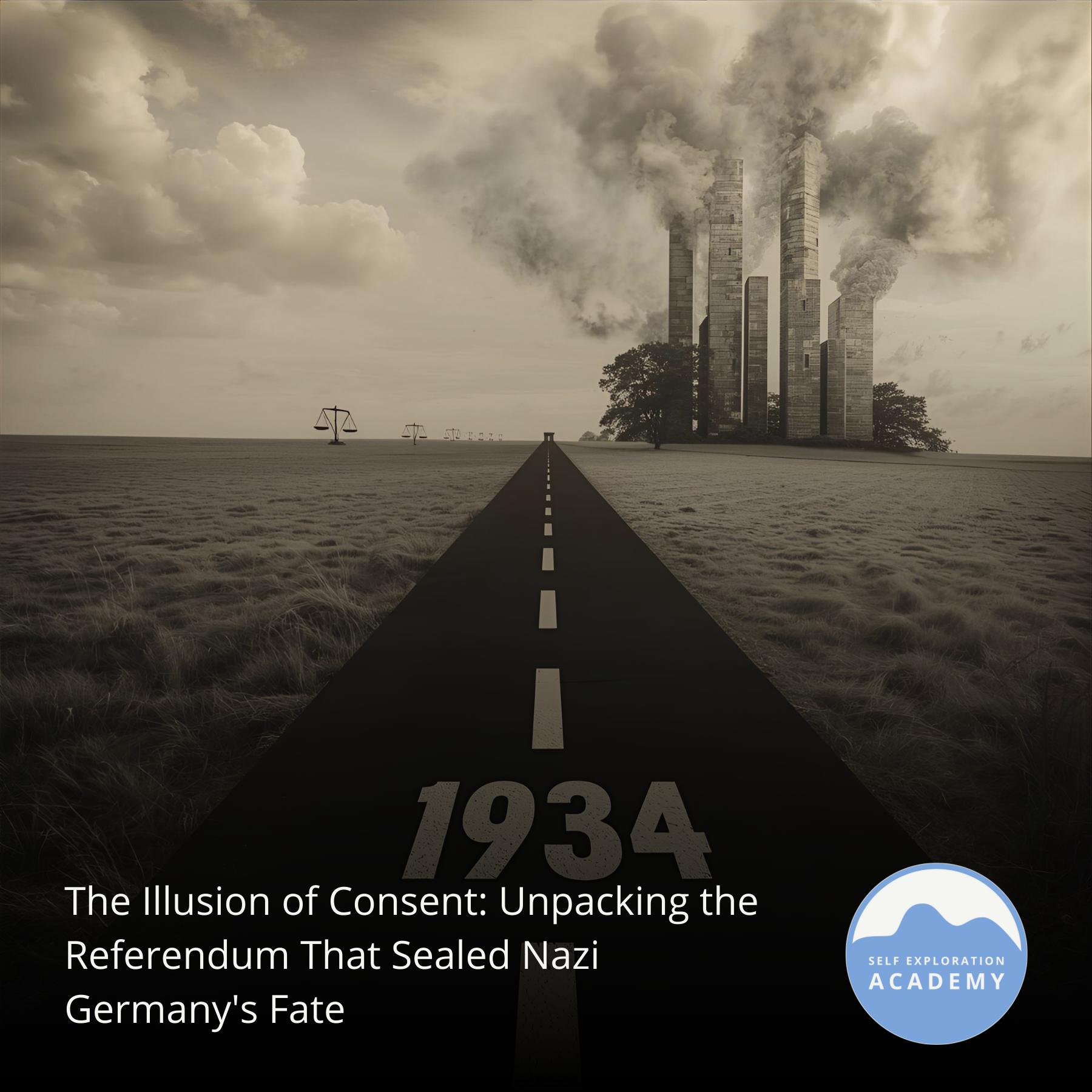
Exploring the pivotal moment when a nation's fate was sealed through a coerced referendum, examining the emotional realities and enduring lessons in social emotional learning.
The Moment Itself
On August 19, 1934, the German populace was called to the polls for a referendum that, on the surface, sought approval for a seemingly administrative change: the merger of the offices of Reich President and Chancellor. Beneath this veneer, however, lay the final, decisive step in Adolf Hitler’s consolidation of absolute power. Just seventeen days prior, on August 2, the revered President Paul von Hindenburg had died. Within hours of his passing, Hitler, already Chancellor since January 1933 and armed with the Enabling Act that had effectively nullified parliamentary opposition, unilaterally declared the two offices combined, assuming the title of "Führer and Reich Chancellor." The referendum was not a democratic exercise but a post-facto legitimization, orchestrated to provide a veneer of popular consent for a dictatorship already firmly in place. What was at stake was the last formal vestige of the Weimar Republic's democratic framework and, with it, the future of Germany and Europe. The "choice" presented to the German people was less about political preference and more about public compliance in an environment where dissent was met with brutal efficiency, exemplified by the recent "Night of the Long Knives" that purged Hitler's internal rivals.
The Emotional Landscape
The emotional landscape surrounding the referendum was a complex tapestry woven from fear, manufactured enthusiasm, and suppressed despair. For many, the pervasive presence of the SA and SS, the omnipresent propaganda, and the chilling knowledge of concentration camps and secret police (Gestapo) instilled a profound sense of terror. Voting "no" or abstaining was an act of immense courage, or perceived foolishness, with potentially dire consequences. Public polling places and the social pressure to conform meant that even private dissent was dangerous. Yet, for others, there was a genuine, if misguided, hope. Years of economic depression, political instability, and national humiliation had left many Germans yearning for order and strength. Hitler’s promises of national revival resonated with these desires, and for some, the referendum represented a definitive step towards stability and a return to perceived greatness. This manufactured enthusiasm, amplified by rallies and media control, created a powerful illusion of national unity, drowning out the quiet dread and resignation of those who understood the true implications of absolute power.

A Lesson in Social Emotional Learning
The August 1934 referendum offers a stark, albeit tragic, lesson in Responsible Decision-Making, particularly when external pressures distort the capacity for ethical choice. At the individual level, citizens faced a profound dilemma: to vote "yes" out of fear, genuine belief, or a desire for self-preservation, or to resist at immense personal risk. The outcome reflects a collective failure to make responsible decisions based on critical thinking and long-term societal well-being, largely due to the systematic suppression of information, the manipulation of fear, and the erosion of civic courage. On a broader societal scale, the event underscores how a nation's leadership, through a series of irresponsible decisions (such as the Enabling Act and the subsequent elimination of democratic checks and balances), can dismantle the very mechanisms that enable responsible governance. The referendum was not a decision made by the people, but rather a decision imposed upon them, highlighting the catastrophic consequences when a society loses its ability to critically assess information, resist coercion, and collectively uphold democratic principles. It serves as a powerful reminder of the enduring importance of cultivating critical thinking, empathy, and civic courage to safeguard against the erosion of freedom and the rise of authoritarianism.
Latest Posts