

WELCOME TO
The Academic Blog

The Desert's Unfolding Drama: Italy's Invasion of Egypt, 1939
Unpack Italy's 1939 invasion of Egypt: a pivotal WWII moment. Explore the strategic gamble, the emotional landscape of war, and a powerful lesson in responsible decision-making that still resonates today.
Delve into the emotional landscape and the critical decisions that defined Italy's 1939 push into Egypt.
The Moment Itself
On September 13, 1939, just twelve days after Germany’s invasion of Poland ignited World War II in Europe, Fascist Italy launched its own offensive, crossing the Libyan border into Egypt. This was not merely a localized skirmish but a calculated move by Benito Mussolini to expand his "New Roman Empire" and challenge British dominance in North Africa. Libya, an Italian colony, served as the springboard for Marshal Rodolfo Graziani's Tenth Army, whose objective was to seize the Suez Canal, a vital artery for British imperial trade and military supply lines. At stake was not just territory, but control over a crucial strategic choke point that linked the Mediterranean to the Indian Ocean, and the very prestige of the burgeoning Axis powers. The British, though caught somewhat off guard by the timing, understood the profound implications. Their forces in Egypt, under General Archibald Wavell, were numerically inferior but well-entrenched, preparing for a defense that would determine the fate of the North African front.
The Emotional Landscape
The emotional texture of this moment was a complex tapestry woven with ambition, fear, and grim determination. For the Italian soldiers, many of whom were conscripts, there was likely a mix of patriotic fervor fueled by Fascist propaganda, and underlying apprehension about the vast, unforgiving desert and the formidable British Empire. The initial advance, though slow, might have instilled a sense of triumphalism in Rome, a belief in Italy's martial prowess. In Egypt, the local population, long accustomed to British oversight, faced the chilling prospect of a new, potentially more brutal, colonial master. Fear and uncertainty would have been palpable, alongside a deep-seated resentment of any foreign presence. For the British and their Commonwealth allies, the invasion solidified the grim reality of a global conflict. Their emotions would have ranged from steely resolve to defend vital interests, to the quiet anxiety of being outnumbered and fighting far from home, defending an empire under unprecedented strain.
A Lesson in Social Emotional Learning
This historical moment offers a stark lesson in Responsible Decision-Making. Mussolini’s decision to invade Egypt, while seemingly opportunistic, was a profound failure in this competency. Driven by a desire to emulate Hitler’s rapid successes and to assert Italy’s status as a major power, his choice was based less on a pragmatic assessment of military capabilities and logistical realities, and more on ego and an inflated sense of national destiny. He underestimated the British resolve and the sheer difficulty of sustaining a large-scale offensive across vast desert distances. The invasion quickly stalled, bogged down by supply issues and a surprisingly resilient British defense, ultimately leading to significant Italian losses and a protracted, costly campaign that drained resources rather than securing strategic gains. The moment underscores the critical importance of thorough analysis, humility, and foresight in leadership, demonstrating how decisions fueled by hubris and a lack of realistic self-assessment can lead to disastrous consequences for all involved. It reminds us that truly responsible decisions require a clear-eyed view of both one's own strengths and limitations, and the complex realities of the external environment.
Latest Posts










Theodore Roosevelt and the Birth of "Big Stick" Diplomacy
Explore Theodore Roosevelt's iconic "Speak softly and carry a big stick" speech. Uncover its historical impact on US foreign policy, the emotional landscape of the era, and a powerful lesson in responsible decision-making.
Delve into the emotional and political landscape surrounding Theodore Roosevelt's pivotal 1901 speech, and discover its enduring lesson in responsible decision-making.
The Moment Itself
On September 6, 1901, at the Minnesota State Fair, Vice President Theodore Roosevelt delivered a speech that would etch itself into the annals of American foreign policy. Before a crowd eager to hear from the dynamic young politician, Roosevelt articulated a philosophy that would define his presidency and the nation's burgeoning role on the global stage: "Speak softly and carry a big stick; you will go far." This seemingly simple phrase, delivered with Roosevelt's characteristic vigor, was far more than a rhetorical flourish. It was a declaration of intent, signaling a departure from traditional American isolationism and an embrace of robust international engagement, backed by demonstrable military strength.
At this pivotal moment, the United States was still digesting its recent victory in the Spanish-American War, which had yielded new territories and thrust the nation into the uncomfortable spotlight of global power. The debate between interventionism and non-interventionism raged, and Roosevelt, a staunch advocate for a strong navy and assertive foreign policy, was laying out his vision. What was at stake was nothing less than America's identity in the 20th century: would it remain a regional power, or would it assert its influence commensurate with its growing economic and military might? Roosevelt's words were a clear signal that he intended the latter, particularly as he envisioned the construction of the Panama Canal and the protection of American interests in the Western Hemisphere.
The Emotional Landscape
The emotional landscape surrounding Roosevelt's pronouncement was complex. For many Americans, still reeling from the recent war and grappling with the responsibilities of an emerging empire, the "big stick" offered a sense of security and pride. It tapped into a nascent jingoism, a belief in American exceptionalism and the right to project power. There was an underlying current of anxiety, too—the fear of being drawn into endless foreign entanglements, a sentiment rooted in the nation's founding principles. Roosevelt, however, embodied a confident, almost audacious spirit, and his words likely resonated with those who felt the nation needed to assert itself decisively. Internationally, the phrase was met with a mix of respect and apprehension. Nations watched as the United States, previously a peripheral player, now openly declared its readiness to use force if diplomacy failed, reshaping the delicate balance of global power.

A Lesson in Social Emotional Learning
Theodore Roosevelt's "Speak softly and carry a big stick" offers a compelling lesson in Responsible Decision-Making. This competency involves the ability to make constructive choices about personal and social behavior, considering ethical standards, safety concerns, realistic evaluations of consequences, and the well-being of self and others. Roosevelt's policy was not about reckless aggression. Instead, it was a calculated strategy: the "speak softly" component emphasized diplomacy and negotiation as the primary means of engagement, reflecting a responsible approach to conflict resolution. However, the "big stick" underscored the necessity of being prepared and having the capacity to enforce one's will when diplomatic avenues were exhausted. This duality highlights a mature decision-making process where peaceful means are prioritized, but the potential for decisive action is maintained as a deterrent or a last resort. It's about understanding the full spectrum of tools available and making a deliberate choice about when and how to deploy them, weighing the consequences of both action and inaction.
This historical moment continues to speak to us today, serving as a reminder of the enduring tension between diplomatic engagement and the projection of power. It prompts reflection on how nations, and indeed individuals, navigate complex relationships, balancing the desire for peace with the need for strength and preparedness.
Latest Posts

The Browser Wars: Chrome's Unveiling
Rewind to Sept 2008. Google Chrome's launch wasn't just a new browser; it sparked a web revolution. Dive into the browser wars, emotional shifts, and key lessons from this pivotal tech moment.
Revisiting the day Google challenged the internet's giants and redefined online Browse.
The Moment Itself
On September 02, 2008, the digital world held its breath, albeit unknowingly, as Google released its Chrome web browser to the public. This was no mere software update; it was a strategic gambit in the ongoing browser wars, a direct challenge to the reigning giants. For years, Microsoft’s Internet Explorer had held a near-monopoly, a default choice for millions, often bundled inextricably with Windows. Its dominance, however, had led to stagnation, with users enduring slow performance, security vulnerabilities, and a general lack of innovation. Mozilla’s Firefox had emerged as a formidable challenger, offering a more customizable and open-source alternative, steadily chipping away at IE’s market share. Into this landscape, Google, a company primarily known for search and advertising, launched Chrome with little fanfare but immense ambition. What was at stake was nothing less than the control of the internet's gateway. Google envisioned a faster, simpler, and more secure browsing experience, built on its V8 JavaScript engine, designed to handle the increasingly complex web applications of the future. Key figures like Sundar Pichai, then Google’s Vice President of Product Management, spearheaded the project, betting on engineering prowess and a user-centric design to disrupt the status quo. The initial release, a beta for Windows users, was a statement: Google was serious about shaping the web beyond its search bar.
The Emotional Landscape
The emotional landscape surrounding Chrome’s release was a fascinating mix of anticipation, skepticism, and, for many, a palpable sense of relief. For users, the prevailing emotion was often frustration with the sluggishness and security woes of existing browsers. The promise of a "faster, simpler, more secure" alternative from Google, a company synonymous with innovation, ignited a cautious hope. Early adopters experienced a genuine thrill as pages loaded with unprecedented speed, and the minimalist interface felt like a breath of fresh air. For Microsoft, the emotion was likely one of dismissive surprise, quickly turning to concern as Chrome’s adoption rates began to climb. They had faced challenges before, but Google’s entry signaled a new, potent threat. Mozilla, while perhaps initially wary, also saw a validation of their open-source approach, as Chrome itself was built on the Chromium open-source project. Within Google, there was undoubtedly a quiet confidence, tempered by the immense challenge of breaking into a deeply entrenched market. The engineers and product teams likely felt a mix of pride and intense pressure, knowing their creation had to deliver on its ambitious promises.
A Lesson in Social Emotional Learning
The launch of Google Chrome offers a compelling lesson in Responsible Decision-Making. Google’s decision to enter the browser market was not trivial; it was a high-stakes gamble against powerful incumbents. This involved a deep understanding of the market's pain points (slow performance, security issues, lack of innovation), a clear vision for a superior product, and a willingness to commit significant resources to a long-term project. It required analyzing potential risks (failure to gain adoption, backlash from competitors) and benefits (controlling the user experience, driving web standards, enhancing their core search business). The decision was rooted in a strategic assessment of their own capabilities (engineering talent, infrastructure) and the needs of the evolving internet. Furthermore, the choice to build Chrome on an open-source foundation (Chromium) demonstrated a responsible approach to ecosystem development, inviting collaboration and fostering trust, rather than simply seeking to dominate. This blend of strategic foresight, risk assessment, and a commitment to open standards exemplifies responsible decision-making in a complex technological and business environment. The moment still speaks to us today about the power of bold, user-focused innovation and the courage to challenge established norms for the greater good of an evolving digital world.
Latest Posts
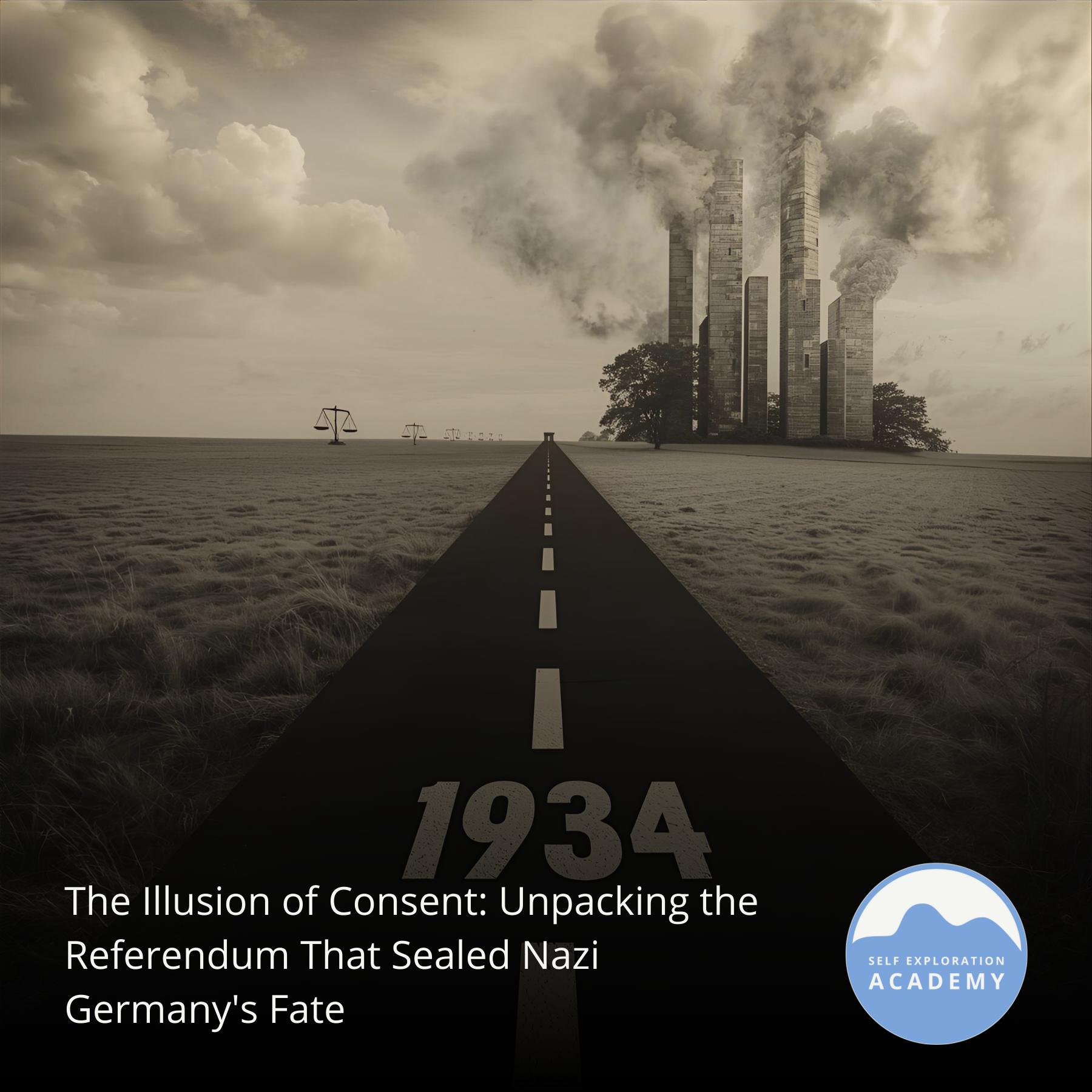
The Illusion of Consent: Unpacking the Referendum That Sealed Nazi Germany's Fate
Explore the 1934 German referendum where Hitler solidified power. This deep dive uncovers the emotional landscape of the time and offers a crucial lesson in responsible decision-making, reflecting on history's enduring impact.
Exploring the pivotal moment when a nation's fate was sealed through a coerced referendum, examining the emotional realities and enduring lessons in social emotional learning.
The Moment Itself
On August 19, 1934, the German populace was called to the polls for a referendum that, on the surface, sought approval for a seemingly administrative change: the merger of the offices of Reich President and Chancellor. Beneath this veneer, however, lay the final, decisive step in Adolf Hitler’s consolidation of absolute power. Just seventeen days prior, on August 2, the revered President Paul von Hindenburg had died. Within hours of his passing, Hitler, already Chancellor since January 1933 and armed with the Enabling Act that had effectively nullified parliamentary opposition, unilaterally declared the two offices combined, assuming the title of "Führer and Reich Chancellor." The referendum was not a democratic exercise but a post-facto legitimization, orchestrated to provide a veneer of popular consent for a dictatorship already firmly in place. What was at stake was the last formal vestige of the Weimar Republic's democratic framework and, with it, the future of Germany and Europe. The "choice" presented to the German people was less about political preference and more about public compliance in an environment where dissent was met with brutal efficiency, exemplified by the recent "Night of the Long Knives" that purged Hitler's internal rivals.
The Emotional Landscape
The emotional landscape surrounding the referendum was a complex tapestry woven from fear, manufactured enthusiasm, and suppressed despair. For many, the pervasive presence of the SA and SS, the omnipresent propaganda, and the chilling knowledge of concentration camps and secret police (Gestapo) instilled a profound sense of terror. Voting "no" or abstaining was an act of immense courage, or perceived foolishness, with potentially dire consequences. Public polling places and the social pressure to conform meant that even private dissent was dangerous. Yet, for others, there was a genuine, if misguided, hope. Years of economic depression, political instability, and national humiliation had left many Germans yearning for order and strength. Hitler’s promises of national revival resonated with these desires, and for some, the referendum represented a definitive step towards stability and a return to perceived greatness. This manufactured enthusiasm, amplified by rallies and media control, created a powerful illusion of national unity, drowning out the quiet dread and resignation of those who understood the true implications of absolute power.
A Lesson in Social Emotional Learning
The August 1934 referendum offers a stark, albeit tragic, lesson in Responsible Decision-Making, particularly when external pressures distort the capacity for ethical choice. At the individual level, citizens faced a profound dilemma: to vote "yes" out of fear, genuine belief, or a desire for self-preservation, or to resist at immense personal risk. The outcome reflects a collective failure to make responsible decisions based on critical thinking and long-term societal well-being, largely due to the systematic suppression of information, the manipulation of fear, and the erosion of civic courage. On a broader societal scale, the event underscores how a nation's leadership, through a series of irresponsible decisions (such as the Enabling Act and the subsequent elimination of democratic checks and balances), can dismantle the very mechanisms that enable responsible governance. The referendum was not a decision made by the people, but rather a decision imposed upon them, highlighting the catastrophic consequences when a society loses its ability to critically assess information, resist coercion, and collectively uphold democratic principles. It serves as a powerful reminder of the enduring importance of cultivating critical thinking, empathy, and civic courage to safeguard against the erosion of freedom and the rise of authoritarianism.
Latest Posts

1947: India's Independence, Partition's Pain, and the Price of Decisions
Explore India's 1947 independence: the jubilation of freedom juxtaposed with the tragedy of Partition. Discover the profound emotional landscape and key lessons in responsible decision-making.
Exploring the jubilation of freedom, the tragedy of division, and the enduring insights into responsible decision-making that shaped a subcontinent.
The Moment Itself
On August 15, 1947, at the stroke of midnight, India awoke to freedom after nearly two centuries of British colonial rule. The air in Delhi crackled with anticipation and jubilation as Jawaharlal Nehru, India's first Prime Minister, delivered his iconic "Tryst with Destiny" speech. This moment marked a monumental milestone in the global decolonization movement, signaling the end of an empire and the birth of two new nations: India and Pakistan. The path to this freedom was paved by decades of relentless struggle, led by figures like Mahatma Gandhi, whose philosophy of non-violent civil disobedience captivated the world. However, the joy of independence was inextricably linked to a profound and tragic decision: the Partition of British India. Driven by the demands of the Muslim League, led by Muhammad Ali Jinnah, for a separate Muslim-majority state, and the British desire for a swift exit, the hastily drawn Radcliffe Line cleaved the subcontinent along religious lines. What was at stake was not just political sovereignty, but the very fabric of society, as millions found their homes, livelihoods, and identities suddenly on the wrong side of a new, arbitrary border.
The Emotional Landscape
The emotional landscape of August 1947 was a jarring tapestry of contrasting extremes. For many, particularly in the major cities, independence brought an explosion of euphoria, a collective sigh of relief and pride after generations of subjugation. Flags waved, celebrations erupted, and a sense of boundless hope for a self-determined future permeated the air. Yet, this elation was brutally juxtaposed with an escalating tide of fear, grief, and unbridled anger in the regions directly affected by Partition. Millions of Hindus, Sikhs, and Muslims were forced to abandon ancestral homes, embarking on perilous journeys across the newly drawn borders. Trains arrived filled with corpses, and communal violence erupted on an unprecedented scale, turning neighbors into enemies. The sheer scale of displacement – estimated at 15 million people – and the accompanying bloodshed created an immediate humanitarian crisis. While public celebrations continued, a deep, collective trauma began to embed itself in the psyche of a generation, a silent sorrow that often overshadowed the declared triumph of freedom.
A Lesson in Social Emotional Learning
The events surrounding India's independence offer a poignant, albeit painful, lesson in Responsible Decision-Making. The decision to partition, while a political compromise aimed at resolving deep communal divisions, was executed with a staggering lack of foresight regarding its human consequences. Key figures, including Lord Mountbatten, the last Viceroy, pushed for an accelerated timetable, seemingly underestimating the logistical nightmare and the human cost of redrawing ancient boundaries overnight. There was a failure to adequately consider the diverse perspectives of all communities, the potential for mass displacement, and the inevitable eruption of violence that would follow. The ethical implications of prioritizing a swift political exit over the safety and well-being of millions were profound. This historical moment underscores that responsible decision-making, especially in leadership, demands not only strategic thinking but also profound empathy, a thorough assessment of potential risks, and a commitment to mitigating harm, even when faced with immense pressure and complex challenges. The echoes of Partition continue to resonate, reminding us of the enduring impact when such crucial decisions are made without full consideration of their human toll.
Latest Posts

August 5, 1620: The Day the Mayflower Set Sail for a New World
Relive the Mayflower's challenging 1620 departure from Southampton. This post dives into the hopes, fears, and crucial decisions that shaped the Pilgrims' historic voyage to a new world.
Explore the hopes, fears, and critical choices that defined the Pilgrims' courageous journey to a new world, starting on August 5, 1620.
The Moment Itself
On August 5, 1620, a pivotal moment in transatlantic history unfolded in Southampton, England, as the Mayflower, accompanied by its smaller consort, the Speedwell, prepared to set sail for North America. This was not merely a journey for trade or exploration; it was an exodus driven by a profound desire for religious freedom and the hope of establishing a new society unburdened by the strictures of the Church of England. Aboard the two vessels were approximately 120 passengers, a mix of Separatists (known to history as Pilgrims) who had fled persecution in England for a temporary refuge in Leiden, Holland, and a contingent of "Strangers"—individuals seeking economic opportunity or simply a new life.
The stakes were immense. These were not seasoned explorers but families, farmers, and tradesmen venturing into an unknown wilderness, risking everything—their lives, their meager possessions, and the future of their children—on a perilous ocean voyage. Key figures like William Bradford, a leader among the Separatists, and Captain Christopher Jones of the Mayflower, bore the heavy burden of responsibility. Their initial departure was fraught with immediate challenges: the Speedwell proved unseaworthy, developing leaks that forced the ships to turn back twice. This unforeseen setback led to the critical decision to abandon the Speedwell entirely, consolidating all viable passengers and provisions onto the Mayflower alone, a choice that dramatically increased the density and discomfort for the remaining 102 souls.
The Emotional Landscape
The emotional texture of that August day must have been a complex tapestry of hope, fear, and profound uncertainty. For the Separatists, there was an undeniable sense of divine purpose, a courageous leap of faith toward a promised land where they could worship freely. Yet, beneath this spiritual resolve, lay the raw human fear of the vast, unforgiving ocean and the perils of an untamed continent. Families huddled together, perhaps shedding tears for the homes and loved ones they might never see again, grappling with the immense finality of their departure.
The repeated failures of the Speedwell undoubtedly amplified anxiety, testing their resolve and forcing a stark confrontation with the fragility of their endeavor. There must have been frustration and anger at the delays, but also a burgeoning sense of collective resilience as they faced adversity. The "Strangers," perhaps less ideologically driven, likely felt a more pragmatic blend of ambition and apprehension, their hopes for prosperity tempered by the sheer physical discomfort and danger of the crowded Mayflower. Despite their differing motivations, a shared vulnerability would have forged a nascent sense of community, born out of the common ordeal and the desperate need for mutual support.
A Lesson in Social Emotional Learning
The Mayflower's departure, particularly the events surrounding the Speedwell's failure, offers a powerful lesson in Responsible Decision-Making. The initial decision to embark on such a monumental journey, driven by deep conviction, was itself a profound act of responsible decision-making, weighing the known risks of persecution against the unknown dangers of the Atlantic. However, the subsequent necessity to adapt to unforeseen circumstances—the Speedwell's leaks—highlights this competency in action under duress.
The leaders and passengers were forced to make critical, high-stakes decisions in real-time: whether to persist with repairs, when to abandon the smaller ship, and how to reconfigure their entire plan. This required not only practical problem-solving but also an ability to assess risks, consider consequences (the increased crowding, the potential for disease, the extended journey), and ultimately, to choose the path that offered the best chance for collective survival and the realization of their ultimate goal. Their ability to pivot, consolidate, and continue, despite significant setbacks, demonstrates a collective capacity for responsible decision-making, crucial for navigating the immense challenges that lay ahead.
This moment still speaks to us today, reminding us that even the most well-laid plans can be disrupted, and that true progress often requires not just courage, but also the flexibility and wisdom to make difficult, responsible choices in the face of uncertainty.
Latest Posts

The Unraveling of Spain: July 1936 and the Dawn of Civil War
Explore the dramatic 1936 start of the Spanish Civil War. Uncover the emotional chaos, political stakes, and crucial lessons in responsible decision-making that still resonate today.
Beyond the initial spark: Unpacking the human realities, societal divisions, and the profound SEL insights from the fateful decisions of July 1936.
The quiet summer air of July 17, 1936, in Spanish Morocco was shattered not by a singular, explosive event, but by the orchestrated movement of military units. This was the opening act of a meticulously planned coup d'état, initiated by conservative generals, most notably General Francisco Franco, against the democratically elected Popular Front government of the Second Spanish Republic. Spain had been a cauldron of political and social unrest for years, deeply divided between a progressive, secular Republic attempting land reform and social change, and powerful traditional forces—the military, the Catholic Church, wealthy landowners, and monarchists—who viewed these reforms as an existential threat to their established order. The generals, fearing a slide into communism and perceiving the Republic as weak and chaotic, believed a swift military intervention would restore order and traditional values.
The Moment Itself
The rebellion began with a pronunciamiento—a military declaration against the government—first in Melilla and swiftly spreading across Spanish protectorates in North Africa. The conspirators, including Generals Emilio Mola and José Sanjurjo (who died shortly after), had meticulously planned the coordinated uprisings across garrisons on the mainland. Their aim was a quick overthrow, a surgical strike to dismantle the republican government and replace it with a conservative, authoritarian regime. What they did not anticipate was the widespread popular resistance. As news of the military uprising reached cities like Madrid, Barcelona, and Valencia, ordinary citizens, loyal elements of the military and police, and organized labor groups—anarchists, socialists, communists—rose up to defend the Republic. The streets became battlegrounds, with poorly armed workers confronting professional soldiers. The stakes were immense: the preservation of Spain’s nascent democracy versus the imposition of a right-wing dictatorship, a future of social change against a return to traditional hierarchy. This failure of the swift coup transformed a military mutiny into a brutal civil war.
The Emotional Landscape
The immediate aftermath was a maelstrom of conflicting emotions. For those who supported the rising generals—Nationalists—there was a sense of relief, a belief that order was being restored and traditional values protected from perceived anarchy. For Republicans, the overwhelming emotions were shock, betrayal, and a fierce, desperate anger. Fear gripped many as the initial skirmishes erupted into widespread violence, turning neighbors against neighbors. Yet, alongside fear, immense courage emerged. Factory workers, students, and farmers, many with no military training, armed themselves with whatever they could find—old rifles, shotguns, even tools—to defend their cities and ideals. Hope mingled with despair; hope that the Republic would prevail, despair at the sudden disintegration of peace. The collective emotional fabric was torn, revealing deep ideological fissures, hardening hearts against compromise, and unleashing a torrent of human suffering.
A Lesson in Social Emotional Learning
The genesis of the Spanish Civil War offers a stark lesson in Responsible Decision-Making, particularly in its profound failure at a societal level. The military leadership’s decision to initiate a coup, rather than seek political solutions or engage in democratic processes, was an utterly irresponsible act. Their judgment was clouded by a narrow worldview, an inability to tolerate dissent, and an underestimation of the popular will. They prioritized their ideological vision of a "correct" Spain over the immense human cost of civil conflict, demonstrating a complete disregard for the well-being of the nation. Similarly, while understandable given the context, the fragmented and often ideologically rigid decision-making within the Republican ranks—where internal purges and lack of unified command hampered the war effort—also contributed to the tragic prolongation and outcome of the conflict. The war’s very existence stemmed from a collective societal failure to make responsible decisions about conflict resolution, leading to a catastrophe that claimed hundreds of thousands of lives.
This moment serves as a powerful reminder of the fragility of peace and the devastating consequences when leaders and factions fail to engage in responsible decision-making, preferring violent imposition over dialogue and compromise. It speaks to us today about the dangers of extreme polarization and the critical importance of fostering social awareness and relationship skills to navigate societal differences peacefully.
Latest Posts

The Trinity Test: When the World Changed Forever
Step back to July 16, 1945. The Trinity nuclear test wasn't just a flash in the desert; it was a moment of intense triumph, dread, and a profound shift in human history. Explore its emotional and ethical landscape.
A deep dive into the moments before, during, and after the Trinity test, and its lasting impact on humanity's understanding of power and responsibility.
The Moment Itself
In the pre-dawn darkness of July 16, 1945, at the remote Jornada del Muerto desert in New Mexico, a momentous and terrifying event was about to unfold. Code-named "Trinity," this was the culmination of the Manhattan Project, a top-secret endeavor born out of the urgent need for the United States to develop an atomic weapon before Nazi Germany. The world was embroiled in the final throes of World War II, and the stakes were impossibly high: an invention that could either swiftly end the deadliest conflict in human history or unleash an unimaginable new era of destruction. At the epicenter stood J. Robert Oppenheimer, the scientific director, a man burdened by the weight of the theoretical becoming terrifyingly real. Along with General Leslie Groves, the project's military head, and a cadre of the world's most brilliant scientists, they watched from bunkers miles away. At 5:29:45 AM Mountain War Time, the device, nicknamed "The Gadget," detonated. A blinding flash, brighter than a thousand suns, instantly lit up the desert, followed by an immense roar and a shockwave that reverberated for miles. Then, the signature mushroom cloud ascended, a terrifying harbinger of a new age, reaching over 38,000 feet into the sky. The success of the test confirmed humanity's mastery over atomic energy, transforming the nature of warfare and global power forever.
The Emotional Landscape
The emotional landscape surrounding the Trinity test was a tempest of contrasting and often contradictory human feelings. For many of the scientists involved, the initial moments after the detonation were marked by a profound sense of awe and triumph – the successful culmination of years of relentless, clandestine work. Yet, this exhilaration was quickly tempered by a chilling dread. Oppenheimer famously recalled the Bhagavad Gita: "Now I am become Death, the destroyer of worlds," encapsulating the profound moral reckoning that struck many as the true destructive potential became clear. There was relief among military leaders, seeing a swift end to the war and a means to potentially save countless American lives in a planned invasion of Japan. But for those who understood the implications beyond the immediate conflict, fear and uncertainty loomed large. The raw, unbridled power witnessed that morning ignited a silent, collective anxiety about humanity’s future. It was a victory shadowed by an existential threat, a moment of scientific marvel that simultaneously opened the door to unprecedented global vulnerability and an uneasy peace maintained by the threat of mutual assured destruction.
A Lesson in Social Emotional Learning
The Trinity test offers a stark lesson in Responsible Decision-Making. The decision to pursue and then detonate an atomic weapon was arguably the most significant and consequential technical-political choice of the 20th century. In the immediate context of World War II, the decision was framed by the perceived necessity of ending the war quickly and saving Allied lives. However, this moment dramatically illustrates how decisions, even those made with seemingly clear, immediate objectives, can have unforeseen, monumental, and often catastrophic long-term consequences. The scientists, military, and political leaders involved were making choices based on the information and ethical frameworks available to them at the time, under immense pressure. Yet, the subsequent arms race, the Cold War, and the enduring threat of nuclear annihilation reveal a profound lack of foresight regarding the broader implications for global stability and human survival. The Trinity moment underscores the critical need for comprehensive scenario planning, deep ethical reflection, and a robust understanding of potential systemic impacts when making high-stakes decisions, particularly in areas of scientific advancement with global reach. It reminds us that powerful choices carry responsibilities that extend far beyond the immediate horizon, speaking to us today about our collective obligation to wield our advancements with wisdom and profound caution.
Latest Posts

Echoes of the Marne: A Story of Desperation and Resolve
Relive the Second Battle of the Marne, WWI's intense turning point. Discover the desperate strategies, raw emotions, and crucial lessons in responsible decision-making from this pivotal historical moment.
How Germany's final offensive in 1918 became a testament to both leadership failure and strategic brilliance, offering insights into human decision-making under duress.
The Moment Itself
By the summer of 1918, the Western Front was a crucible of attrition, and Germany, despite significant gains from its Spring Offensive, was acutely aware that time was not on its side. The arrival of fresh, eager American troops was tilting the balance of manpower and morale decisively towards the Allies. General Erich Ludendorff, the effective commander of the German war effort, knew he needed one final, decisive blow before the American strength became overwhelming. He planned a grand offensive, Operation Marneschutz-Reims, aimed at splitting the French armies, securing a crucial railway hub, and ultimately enveloping Paris. On July 15, 1918, under the cover of dense fog and a thunderous artillery barrage, German stormtroopers launched their attack across a broad front near the Marne River, a haunting echo of the first battle that had halted their advance in 1914. This time, however, the Allies were prepared. French General Ferdinand Foch, the Allied supreme commander, had anticipated the attack due to intelligence gathered from captured German prisoners and reconnaissance. Instead of a rigid defense, Foch ordered a flexible, elastic defense, allowing German forces to advance into pre-prepared killing zones before unleashing devastating counter-fire. Crucially, French, British, and American divisions, including the seasoned U.S. 3rd Division, held their ground with resolute tenacity, particularly along the Marne itself. The gamble was on; the fate of the Western Front hung in the balance.
The Emotional Landscape
The emotional texture of that July morning was a volatile mix of hope, exhaustion, and desperate resolve. For the German soldiers, it was perhaps a final, desperate surge of belief that this push would finally break the stalemate and bring them home. Yet, beneath that manufactured optimism lay the profound weariness of four years of brutal trench warfare, starvation, and endless sacrifice. Many must have felt a chilling dread, knowing the odds against success were growing steeper. On the Allied side, the initial shock of the barrage quickly morphed into a fierce determination. For the French, defending their homeland was a visceral imperative. For the arriving Americans, it was their true baptism of fire, a chance to prove their mettle and contribute decisively. There was collective fear, certainly, as shells exploded and comrades fell, but also a raw courage born of necessity and a shared desire for the conflict to end. As the German advance faltered and then stalled, a palpable sense of hope began to replace despair, solidifying into steely resolve for the imminent counter-offensive.
A Lesson in Social Emotional Learning
The Second Battle of the Marne offers a powerful, albeit grim, lesson in Responsible Decision-Making. Ludendorff's decision to launch this final, exhaustive offensive was a catastrophic failure of this competency. Despite dwindling resources, exhausted troops, and clear intelligence suggesting the Allies were anticipating the attack, he pressed forward, driven by a desperate gamble rather than a sober assessment of reality. This highlights the dangers of decisions made under extreme pressure without sufficient Self-Awareness of one's own limitations or Social Awareness of the opponent's capabilities and morale. Conversely, General Foch's leadership demonstrates successful Responsible Decision-Making. His decision to adopt an elastic defense, based on accurate intelligence and a deep understanding of battlefield dynamics, allowed his forces to absorb the German blow effectively and conserve strength for a devastating counter-attack. He exhibited strong Social Awareness, correctly gauging the German's desperate intent, and Self-Management, avoiding the impulse to meet the attack head-on with a rigid defense.
Today, this moment still speaks to us about the critical importance of measured judgment, especially in high-stakes situations, and the profound consequences when desperate hope overrides rational assessment.
Latest Posts
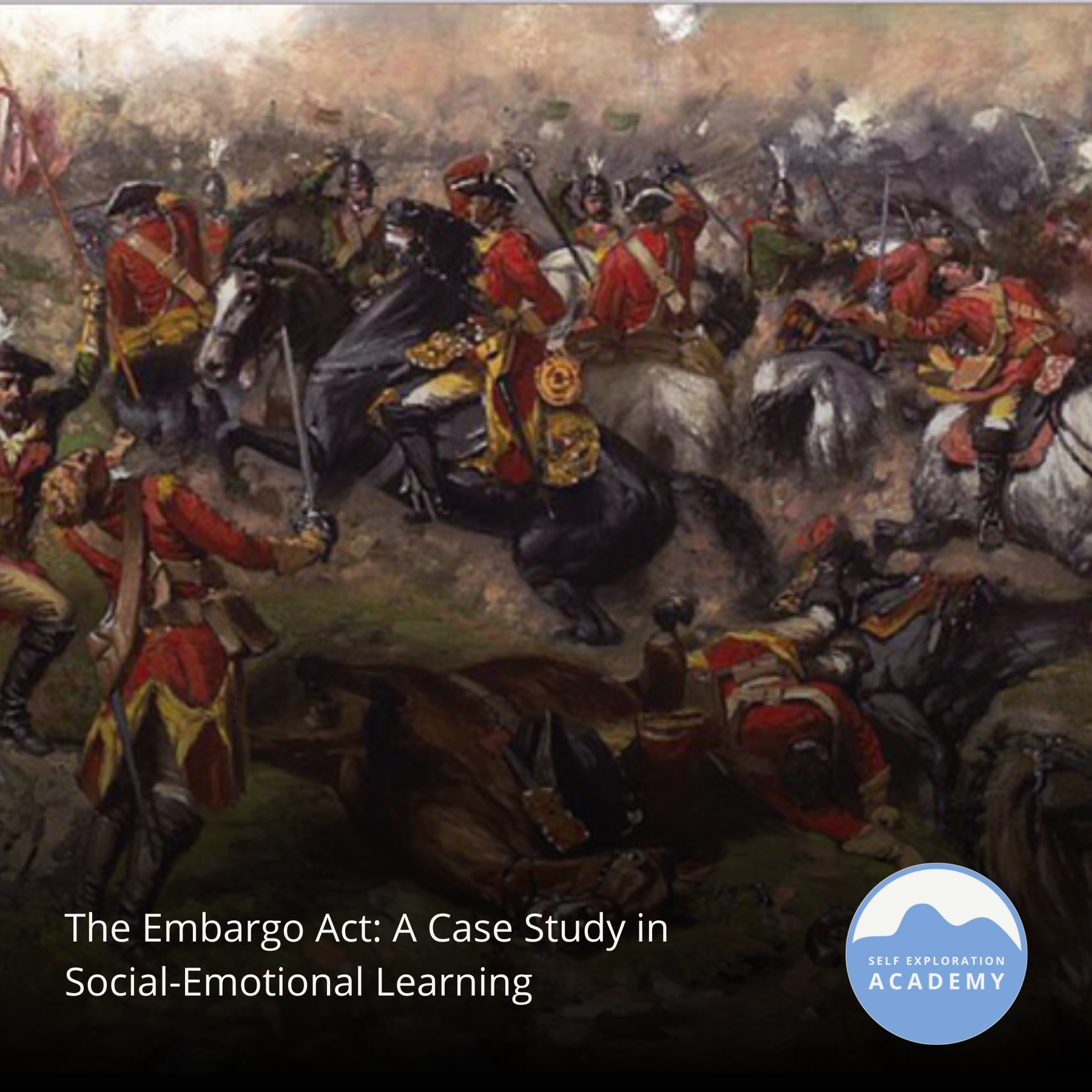
Aughrim, 1691: The Battle That Shaped Ireland's Fate
Explore the Battle of Aughrim (1691), a pivotal moment that cemented English rule in Ireland. Discover its emotional landscape and the profound lessons it offers in responsible decision-making and collective identity.
Exploring the pivotal 1691 battle that cemented English rule and its lasting impact on Irish identity and resilience.
The Battle of Aughrim, fought on July 12, 1691, was not merely a clash of armies but a pivotal moment that irrevocably shaped the future of Ireland. Occurring during the Williamite-Jacobite War, this conflict saw the Protestant Williamite forces, largely composed of English, Dutch, Danish, and Huguenot troops under the command of Godert de Ginkel, face off against the predominantly Catholic Jacobite army, fighting for the deposed Catholic King James II and led by the French general Charles Chalmot, Marquis de Saint-Ruth. At stake was nothing less than sovereignty, religious dominance, and the very identity of the Irish nation. A Jacobite victory might have preserved Catholic land ownership and political power; a Williamite triumph would solidify Protestant ascendancy and English control for centuries.
The Moment Itself
The battlefield was a boggy, challenging terrain near Aughrim in County Galway, favoring the Jacobite defensive position. Saint-Ruth, confident in his strong lines, underestimated Ginkel's determination and tactical adaptability. The battle commenced with fierce Williamite assaults on the Jacobite flanks, bogged down by the difficult ground. The turning point arrived when Saint-Ruth, believing his lines impenetrable, committed a critical error by descending from his vantage point to direct a counter-attack. A sudden cannonball struck and killed him, plunging the Jacobite command into disarray. Without their charismatic leader and a clear chain of command, their resistance faltered. Despite pockets of heroic, desperate fighting, the Jacobite army eventually broke and fled, suffering catastrophic losses. The sheer scale of the Jacobite defeat, with thousands dead and many more captured or dispersed, effectively ended their organized resistance in Ireland.
The Emotional Landscape
The aftermath of Aughrim was steeped in a complex array of emotions. For the victorious Williamites, there was relief, triumph, and a sense of divine vindication, though tempered by the brutal cost of the battle. For the Jacobites and the Catholic populace of Ireland, the defeat unleashed a torrent of despair, grief for lost loved ones, and profound bitterness. Hope, which had flickered following earlier engagements, was extinguished, replaced by a bleak acceptance of their subjugated future. There was undoubtedly immense fear among the defeated, knowing the repercussions of defying English authority. Yet, intertwined with this sorrow was a hardened resolve and a nascent sense of collective identity forged in shared suffering. The event solidified centuries of resentment, embedding itself deeply into the cultural memory as a symbol of injustice and the loss of autonomy, perpetuating a cycle of grievance and quiet resilience.
A Lesson in Social Emotional Learning
The Battle of Aughrim provides a poignant, albeit tragic, illustration of Responsible Decision-Making and its profound consequences. Saint-Ruth's fatal decision to leave his strategic overview to personally lead a charge, and the Jacobite command’s lack of a clear succession plan, proved disastrous. His decision, perhaps driven by a blend of overconfidence (a lack of self-awareness regarding his own tactical blind spots) and a desire for personal glory, ultimately undermined the entire Jacobite effort. Had he remained at his post, maintaining a broader tactical perspective, or had a robust contingency plan been in place for command succession, the outcome, while not guaranteed to be different, would certainly not have been so decisively one-sided. This moment highlights how individual decisions, particularly those made under immense pressure and with high stakes, can have far-reaching and irreversible impacts on collective destinies. The echoes of Aughrim still resonate, a stark reminder of the long shadow cast by critical choices in times of conflict.
Latest Posts
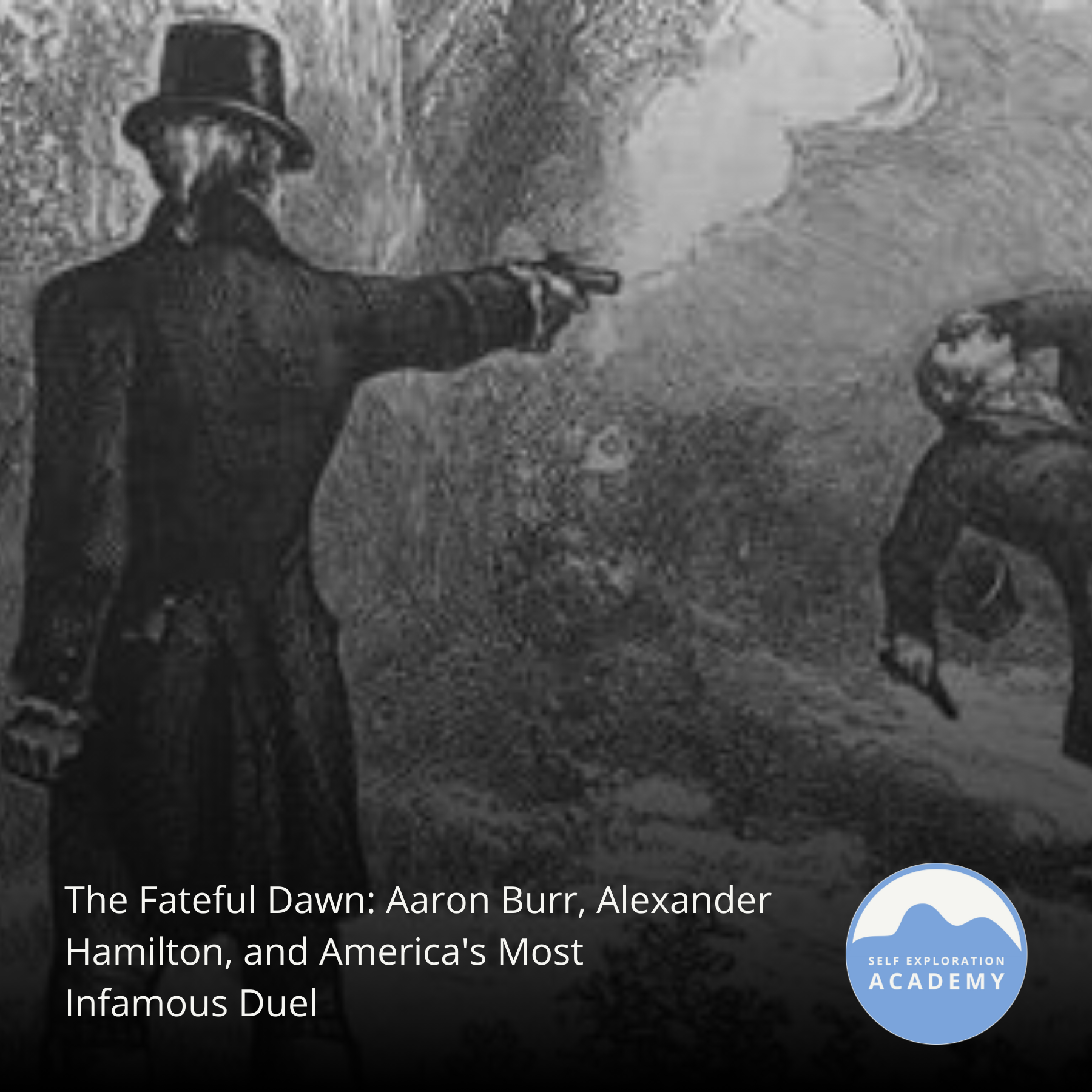
The Fateful Dawn: Aaron Burr, Alexander Hamilton, and America's Most Infamous Duel
Explore the dramatic 1804 Burr-Hamilton duel, its emotional aftermath, and how this historical confrontation offers timeless insights into responsible decision-making and social emotional learning today.
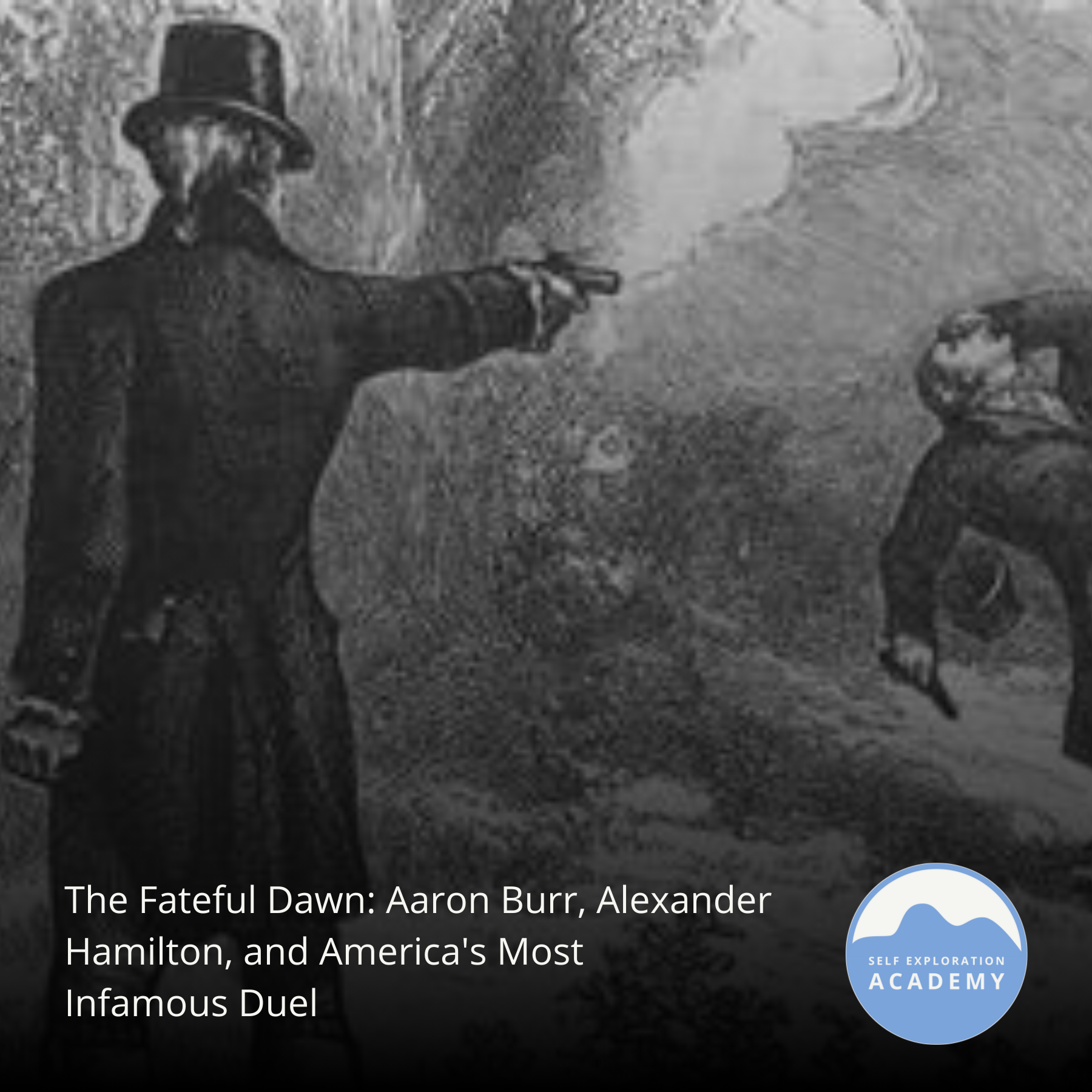
How a dawn encounter between Aaron Burr and Alexander Hamilton in 1804 offers profound insights into human nature and the power of responsible decision-making.
The Moment Itself
At dawn on July 11, 1804, a skiff carried two of America's most prominent founding figures across the Hudson River to a secluded ledge in Weehawken, New Jersey—a dueling ground favored for its inaccessibility and the protection it afforded from legal repercussions. Aaron Burr, the sitting Vice President, and Alexander Hamilton, a former Secretary of the Treasury and influential Federalist, stood facing each other, pistols in hand. This was no spur-of-the-moment confrontation but the culmination of years of intense political rivalry and escalating personal animosity, fueled by differing political philosophies, ambition, and a series of public and private insults. Hamilton had consistently undermined Burr's political aspirations, most recently by reportedly expressing a "despicable opinion" of Burr during the 1804 New York gubernatorial election, remarks that found their way into the press. For Burr, who had seen his political career falter despite his considerable talents, this perceived libel was the final straw—a direct assault on his honor that demanded satisfaction according to the era's code duello. For Hamilton, who outwardly condemned dueling yet felt compelled by societal expectations to accept the challenge, his reputation and even his life were on the line. At the agreed signal, shots rang out. Hamilton fired first, reportedly sending his bullet harmlessly into the air or a tree limb above Burr’s head. Burr's shot, however, struck Hamilton in the abdomen, inflicting a mortal wound.
The Emotional Landscape
The immediate aftermath was a complex tapestry of shock, grim resolve, and a profound shift in public sentiment. Burr, though outwardly composed, faced swift and widespread condemnation. His political career was irrevocably shattered, and he lived for decades with the stigma of having killed one of the nation's most admired figures. His emotional landscape must have been a desolate one, marked by the weight of societal ostracization and the knowledge of his fatal action, even if he believed it justified by the prevailing honor code. Hamilton, on the other hand, was carried away, suffering for thirty-one agonizing hours before succumbing to his wound. His letters penned before the duel reveal a man wrestling with his conscience, expressing his anti-dueling sentiments while also acknowledging the societal pressures that compelled him. There was a palpable sense of grief and outrage across the young nation, particularly in New York, where Hamilton was seen as a visionary architect of the republic. The public mourning was immense, and his funeral was a massive affair, cementing his legacy as a tragic hero and transforming Burr into a villain in the eyes of many.
A Lesson in Social Emotional Learning
The Burr-Hamilton duel serves as a stark, albeit tragic, case study in the perils of failing to exercise Responsible Decision-Making. Both men were individuals of extraordinary intellect and influence, yet they ultimately chose a path of irreversible conflict over potential avenues for de-escalation and rational resolution. Hamilton, despite his moral objections to dueling, made the decision to accept the challenge, prioritizing the prevailing code of honor and public perception over his own life and the well-being of his family. Burr, fueled by personal slight and a desperate need to reclaim his standing, chose to push the confrontation to its ultimate, fatal conclusion. Their combined failure to employ effective conflict resolution strategies, to engage in self-management of their pride and anger, or to consider the far-reaching consequences of their actions—both personally and for the nascent republic—led to a devastating outcome. The duel underscores how unchecked ego and a rigid adherence to outmoded social norms can override sound judgment. This historical moment powerfully illustrates that true strength and leadership often lie not in confrontation, but in the courage to seek peaceful solutions and to prioritize responsible choices, even when personal feelings are inflamed. It reminds us that the ability to make sound decisions, considering ethical implications and potential outcomes, remains a cornerstone of a functional society.
Latest Posts
Discover SEA’s 95 Universal Core Competencies—a research-informed, human-centered framework for building the life skills that actually matter. Organized in nine domains, this guide explores what it means to be truly capable.