
Aughrim, 1691: The Battle That Shaped Ireland's Fate
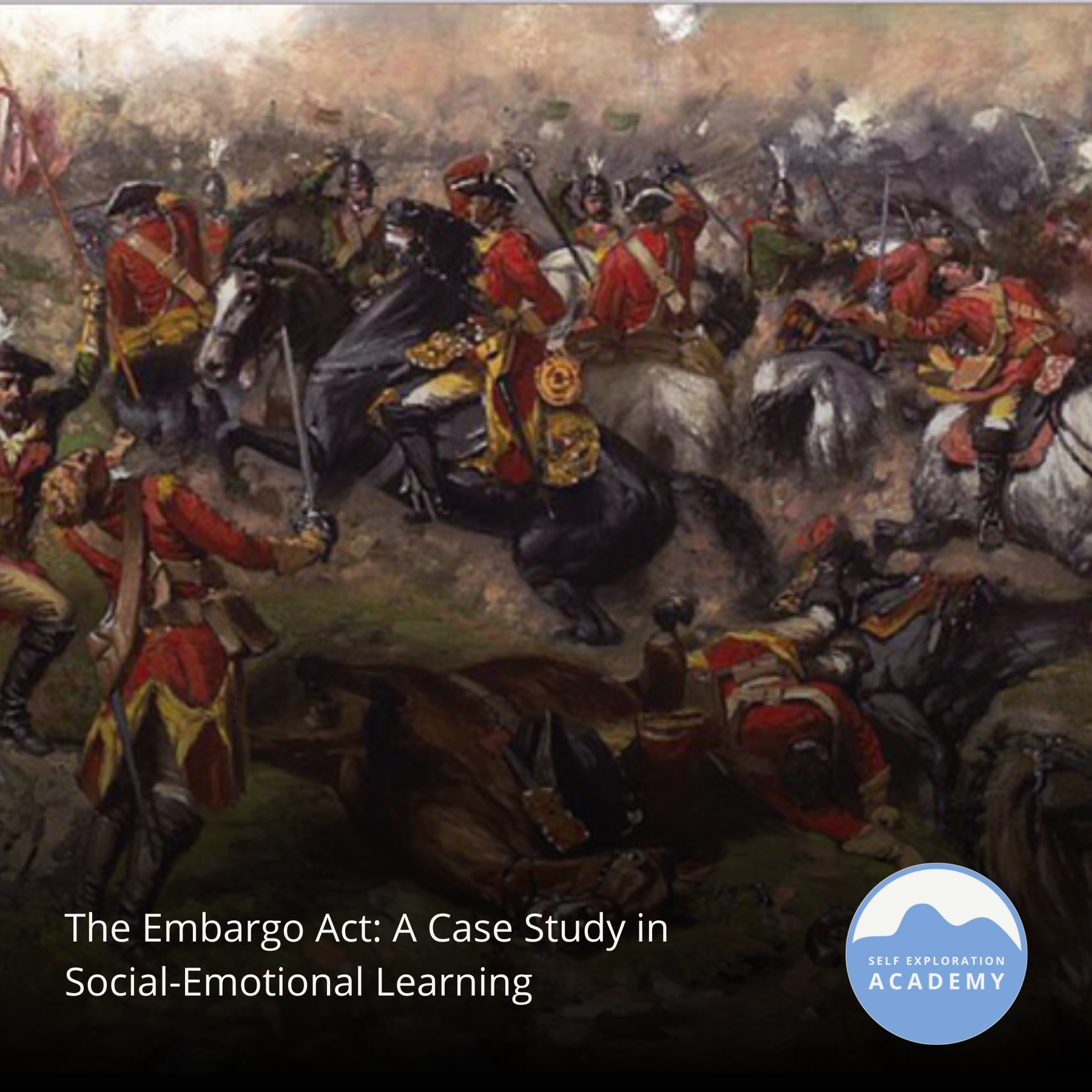
Exploring the pivotal 1691 battle that cemented English rule and its lasting impact on Irish identity and resilience.
The Battle of Aughrim, fought on July 12, 1691, was not merely a clash of armies but a pivotal moment that irrevocably shaped the future of Ireland. Occurring during the Williamite-Jacobite War, this conflict saw the Protestant Williamite forces, largely composed of English, Dutch, Danish, and Huguenot troops under the command of Godert de Ginkel, face off against the predominantly Catholic Jacobite army, fighting for the deposed Catholic King James II and led by the French general Charles Chalmot, Marquis de Saint-Ruth. At stake was nothing less than sovereignty, religious dominance, and the very identity of the Irish nation. A Jacobite victory might have preserved Catholic land ownership and political power; a Williamite triumph would solidify Protestant ascendancy and English control for centuries.
The Moment Itself
The battlefield was a boggy, challenging terrain near Aughrim in County Galway, favoring the Jacobite defensive position. Saint-Ruth, confident in his strong lines, underestimated Ginkel's determination and tactical adaptability. The battle commenced with fierce Williamite assaults on the Jacobite flanks, bogged down by the difficult ground. The turning point arrived when Saint-Ruth, believing his lines impenetrable, committed a critical error by descending from his vantage point to direct a counter-attack. A sudden cannonball struck and killed him, plunging the Jacobite command into disarray. Without their charismatic leader and a clear chain of command, their resistance faltered. Despite pockets of heroic, desperate fighting, the Jacobite army eventually broke and fled, suffering catastrophic losses. The sheer scale of the Jacobite defeat, with thousands dead and many more captured or dispersed, effectively ended their organized resistance in Ireland.
The Emotional Landscape
The aftermath of Aughrim was steeped in a complex array of emotions. For the victorious Williamites, there was relief, triumph, and a sense of divine vindication, though tempered by the brutal cost of the battle. For the Jacobites and the Catholic populace of Ireland, the defeat unleashed a torrent of despair, grief for lost loved ones, and profound bitterness. Hope, which had flickered following earlier engagements, was extinguished, replaced by a bleak acceptance of their subjugated future. There was undoubtedly immense fear among the defeated, knowing the repercussions of defying English authority. Yet, intertwined with this sorrow was a hardened resolve and a nascent sense of collective identity forged in shared suffering. The event solidified centuries of resentment, embedding itself deeply into the cultural memory as a symbol of injustice and the loss of autonomy, perpetuating a cycle of grievance and quiet resilience.
A Lesson in Social Emotional Learning
The Battle of Aughrim provides a poignant, albeit tragic, illustration of Responsible Decision-Making and its profound consequences. Saint-Ruth's fatal decision to leave his strategic overview to personally lead a charge, and the Jacobite command’s lack of a clear succession plan, proved disastrous. His decision, perhaps driven by a blend of overconfidence (a lack of self-awareness regarding his own tactical blind spots) and a desire for personal glory, ultimately undermined the entire Jacobite effort. Had he remained at his post, maintaining a broader tactical perspective, or had a robust contingency plan been in place for command succession, the outcome, while not guaranteed to be different, would certainly not have been so decisively one-sided. This moment highlights how individual decisions, particularly those made under immense pressure and with high stakes, can have far-reaching and irreversible impacts on collective destinies. The echoes of Aughrim still resonate, a stark reminder of the long shadow cast by critical choices in times of conflict.
Latest Posts













Discover SEA’s 95 Universal Core Competencies—a research-informed, human-centered framework for building the life skills that actually matter. Organized in nine domains, this guide explores what it means to be truly capable.