The Battle of Britain: A Crucible of Resilience
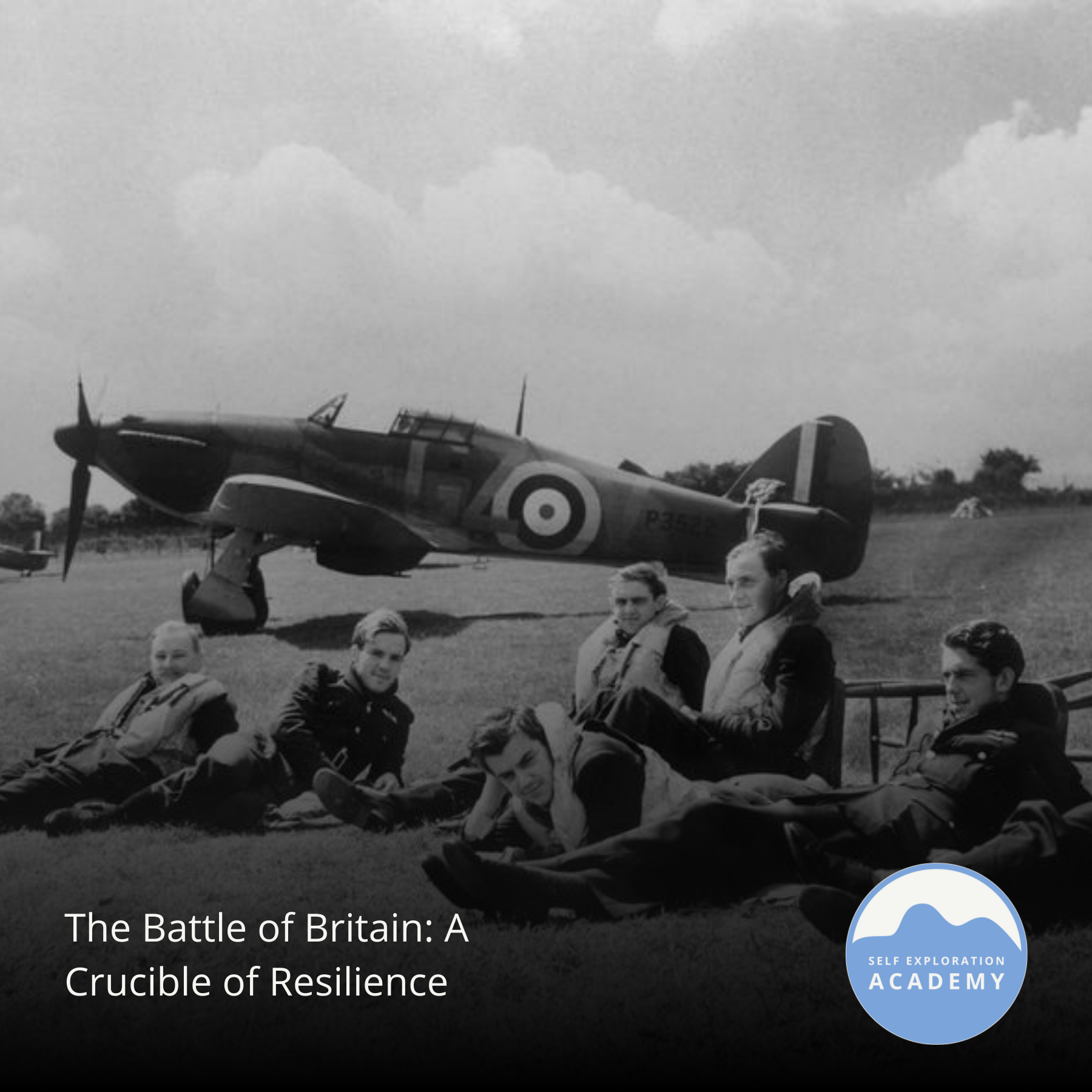
Exploring the fear, courage, and unwavering spirit that defined Britain's stand against Nazi Germany in the pivotal air campaign of 1940.
The Moment Itself
On July 10, 1940, the skies over the English Channel became the opening stage for what would be one of World War II's most critical aerial campaigns: the Battle of Britain. Following the fall of France and the evacuation at Dunkirk, Britain stood alone against Nazi Germany, which now controlled most of Western Europe. Adolf Hitler's next objective was Operation Sea Lion, the planned invasion of Britain, but first, the Luftwaffe had to achieve air superiority over the Royal Air Force (RAF). This initial phase, known as "Kanalkampf" (Channel Battle), saw the Luftwaffe begin targeting British shipping in the Channel and coastal convoys.
At stake was nothing less than the survival of democratic Britain and the potential for a German victory that could reshape the global order. Key figures included Air Chief Marshal Hugh Dowding, head of RAF Fighter Command, whose strategic brilliance in conserving his limited fighter force and implementing the integrated air defense system (combining radar, ground observers, and command centers) proved pivotal. On the German side, Hermann Göring, commander-in-chief of the Luftwaffe, underestimated British resolve and the effectiveness of their defenses. The battle was a test of technology, strategy, and sheer human courage, with Britain's Spitfire and Hurricane fighters facing off against German Messerschmitts, Dorniers, and Heinkels. The initial days established the brutal rhythm of aerial combat, where every sortie was a desperate gamble.
The Emotional Landscape
The emotional landscape of Britain during the Battle of Britain was a complex tapestry of fear, defiance, and an almost stoic resolve. For the civilian population, particularly those in southern England and London, the daily drone of approaching bombers and the wail of air raid sirens became a terrifying soundtrack to life. Nights were spent in shelters, praying for dawn. Yet, fear was often overshadowed by a fierce determination not to yield. The collective memory of Dunkirk had forged a powerful sense of unity and shared purpose.
For the RAF pilots, many of them barely out of their teens, the emotions were more visceral: a potent mix of exhilaration in combat, profound grief for fallen comrades, and an exhausting, perpetual readiness for the next scramble. They returned from sorties often covered in sweat and grime, adrenaline coursing through them, only to witness the empty chairs of friends who wouldn't return. Despite the immense pressure and the grim odds, there was also a deep sense of camaraderie and an unshakeable belief in their mission. The famous phrase "never was owed by so many to so few" perfectly captured the public's profound gratitude and the pilots' immense burden.

A Lesson in Social Emotional Learning
The Battle of Britain offers a profound lesson in Self-Management, specifically the competency of resilience. The RAF, outnumbered and constantly under pressure, displayed extraordinary collective resilience. Their ability to persist in the face of overwhelming adversity, to recover from losses, and to maintain morale despite constant threat, was foundational to their success. Dowding's strategic decision-making, which prioritized the preservation of fighter aircraft and pilots, demonstrated a form of organizational self-management, understanding limitations while maximizing strengths.
On an individual level, the pilots exhibited immense emotional regulation and perseverance. They processed fear and grief, yet continued to fly, driven by duty and an understanding of the stakes. This wasn't merely about physical courage but about the mental fortitude to repeatedly face mortal danger. The British public, too, showcased resilience in their daily lives, adapting to bombings, rationing, and uncertainty, yet refusing to succumb to panic or despair. This historical moment speaks to us today by reminding us that true strength often lies not in avoiding challenges, but in the unwavering commitment to endure, adapt, and ultimately, overcome them.
Latest Posts